Install Siding Over Stucco A Complete Guide
Install siding over stucco? It sounds tricky, right? But with the right preparation and technique, it’s doable and can dramatically upgrade your home’s exterior. This guide walks you through every step, from assessing your stucco’s condition to choosing the perfect siding and nailing down the installation. We’ll cover everything you need to know to transform your home’s look and boost its curb appeal.
We’ll explore the feasibility of this project, highlighting potential challenges and offering solutions. You’ll learn how to prep your stucco, select the best siding material for your needs (vinyl, fiber cement, wood – we’ll compare them all!), and master the installation process. We’ll even tackle common problems and building code considerations to ensure a smooth, successful renovation.
Suitability of Installing Siding Over Stucco

Source: milaneseremodeling.com
Installing siding over stucco is a popular home renovation choice, offering a fresh aesthetic and potential energy efficiency improvements. However, it’s crucial to understand the factors that determine whether this approach is feasible for your specific situation. Success depends heavily on the condition of the existing stucco and careful planning.
Several factors influence the suitability of installing siding over stucco. The most important considerations are the stucco’s condition, the type of siding chosen, and the climate. Poorly maintained stucco, with significant cracking, water damage, or loose sections, will require extensive repairs before siding can be safely applied. Different siding materials have varying tolerances for expansion and contraction, meaning some are better suited to handle the movement inherent in stucco than others. Finally, extreme temperature fluctuations can stress both the stucco and the siding, potentially leading to problems.
Challenges and Limitations of Siding Over Stucco
Installing siding over stucco presents several potential challenges. One major concern is moisture. If the stucco is already prone to moisture issues, adding another layer can trap humidity, leading to mold, rot, and structural damage. Proper ventilation and waterproofing are crucial to mitigate this risk. Another challenge is the added weight on the structure. The combined weight of the stucco and the new siding needs to be considered to ensure it doesn’t exceed the structural capacity of the walls. Finally, the added thickness of the siding can affect the placement of windows and doors, potentially requiring adjustments to trim or other features.
Pre-Installation Assessment Checklist
Before undertaking siding installation over stucco, a thorough assessment is vital. This checklist helps ensure a successful project:
A comprehensive inspection is key to avoiding costly mistakes down the line. This involves more than just a visual assessment; it requires a detailed understanding of the underlying structure and potential issues.
- Stucco Condition: Inspect for cracks, loose sections, water damage, and signs of previous repairs. Document the extent and severity of any issues.
- Moisture Content: Use a moisture meter to assess the moisture level within the stucco. Elevated moisture levels indicate potential problems.
- Structural Integrity: Evaluate the underlying framing and sheathing for signs of rot, damage, or instability.
- Siding Material Selection: Choose a siding material compatible with stucco and suitable for the climate. Consider expansion and contraction rates.
- Ventilation Plan: Develop a plan to ensure adequate ventilation behind the siding to prevent moisture buildup.
- Permits and Regulations: Check local building codes and obtain necessary permits before starting the project.
Siding Material Compatibility with Stucco
The choice of siding material significantly impacts the success of the project. Here’s a comparison:
| Material | Compatibility with Stucco | Pros | Cons |
|---|---|---|---|
| Vinyl Siding | Good, with proper preparation | Affordable, low maintenance, variety of colors and styles | Can be easily damaged, and less durable than other options, and expansion/contraction can cause issues if not properly installed. |
| Fiber Cement Siding | Excellent, if stucco is sound | Durable, fire-resistant, low maintenance, realistic wood look | More expensive than vinyl, heavier, and requires professional installation |
| Wood Siding | Fair, requires careful preparation and treatment | Aesthetically pleasing, can be painted or stained | Requires regular maintenance, susceptible to rot and insect damage, more expensive |
| Metal Siding (Aluminum or Steel) | Good, if properly prepared and sealed | Durable, long-lasting, low maintenance, fire-resistant | Can dent, may require more complex installation, can be noisy in high winds |
Surface Preparation and Repair
Source: hometips.com
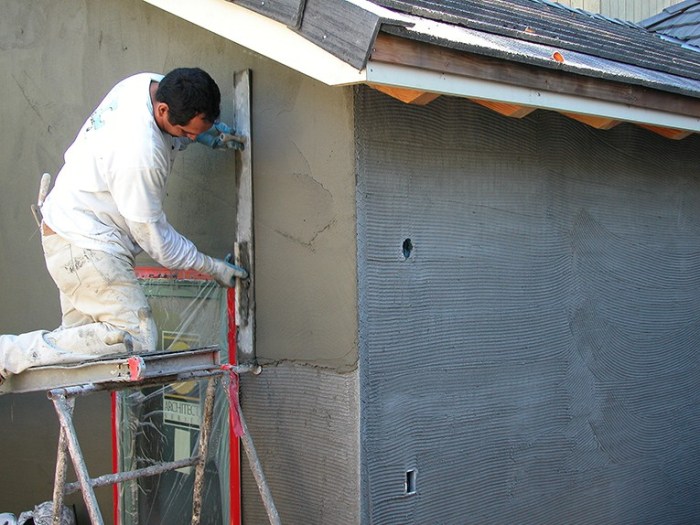
Getting your stucco ready for new siding is crucial for a long-lasting, beautiful finish. Proper preparation involves identifying and addressing any damage and ensuring a smooth, clean surface for the siding to adhere to. Neglecting this step can lead to problems down the line, like siding failure or unsightly imperfections.
Before you even think about installing siding, you need to thoroughly assess the condition of your stucco. This means a careful inspection for cracks, loose or crumbling sections, and significant variations in the surface’s evenness. Addressing these issues now will prevent them from causing problems later and save you headaches during the siding installation process. Remember, a well-prepared surface is the foundation for a successful siding project.
Stucco Repair Techniques
Repairing damaged stucco involves several techniques depending on the extent and type of damage. Small cracks can often be filled with a high-quality acrylic caulk specifically designed for exterior use. For larger cracks or holes, you’ll likely need to use a stucco patching compound, carefully matching the color and texture of your existing stucco. Always allow ample drying time before proceeding to the next step. For significant damage or large areas of deteriorated stucco, professional assistance might be necessary.
Addressing Cracks in Stucco
Cracks are a common problem with stucco. Small, hairline cracks can often be filled with a paintable exterior-grade caulk. Larger cracks, however, require a more substantial repair. This usually involves widening the crack slightly (to ensure proper penetration of the patching compound), cleaning out any loose debris, applying a suitable patching compound, and then smoothing it out to match the surrounding stucco. After the patch dries, you’ll likely need to prime and paint the repaired area to blend it seamlessly with the rest of the stucco.
Repairing Loose or Crumbling Stucco
Loose or crumbling stucco needs to be removed completely before repair. This often involves carefully chipping away the loose material with a hammer and chisel, taking care not to damage the underlying structure. Once the damaged area is clean, you can apply a stucco patching compound to fill the void, ensuring a secure and level surface. Remember to let the patching compound dry completely before moving on to the next stage of preparation.
Addressing Uneven Stucco Surfaces
Uneven surfaces can create problems with siding installation, leading to gaps or an uneven final look. Minor unevenness can sometimes be addressed by applying a thin skim coat of stucco patching compound, and carefully smoothing it out to create a uniform surface. For more significant unevenness, you might need to consider other options, such as adding furring strips to level the surface before siding installation.
Cleaning and Priming the Stucco
Before applying any siding, it’s essential to thoroughly clean the stucco surface. Use a pressure washer (set to low pressure to avoid damaging the stucco) to remove dirt, grime, loose paint, and any other debris. Once clean and completely dry, apply a high-quality primer designed for stucco. This will improve the adhesion of the siding and create a uniform surface for a more professional-looking finish. Allow the primer to dry completely according to the manufacturer’s instructions before proceeding with siding installation. Proper priming is essential for the longevity and appearance of your new siding.
Choosing the Right Siding Material
Source: plasteringsolutionsusa.com
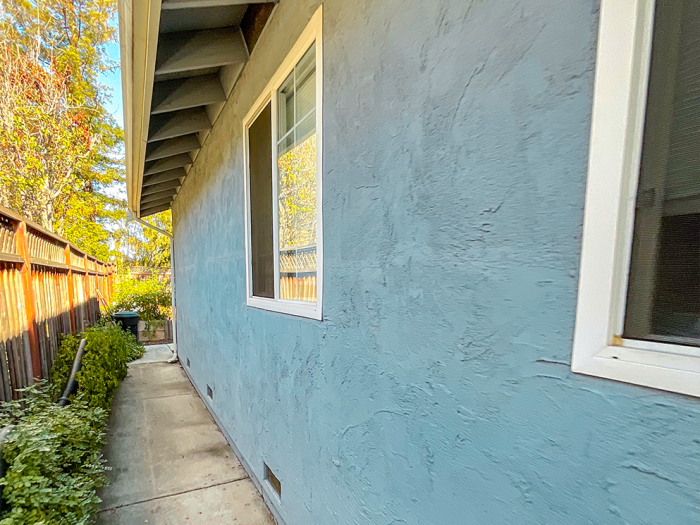
Picking the right siding to go over your stucco is a big decision – it impacts your home’s look, lifespan, and wallet. This section will break down the pros and cons of popular siding choices, helping you make an informed choice. We’ll focus on vinyl, fiber cement, and wood siding, all suitable for installation over stucco, but each with its own set of characteristics.
The best siding for you depends on your budget, desired aesthetic, and how much maintenance you’re willing to commit to. Let’s explore the options.
Vinyl Siding
Vinyl siding is a popular choice for its affordability and low maintenance. It comes in a wide variety of colors and styles, mimicking the look of wood or other materials. Installation is relatively straightforward, making it a quicker project than some other options. However, vinyl can be susceptible to damage from impacts, and extreme temperatures can cause it to warp or fade over time. It also doesn’t offer the same level of durability as other materials, and its lifespan is shorter. Consider vinyl if you’re on a budget and prioritize ease of installation and maintenance.
Fiber Cement Siding
Fiber cement siding offers a great balance of durability, aesthetics, and longevity. Made from a composite of cement, cellulose fibers, and sand, it’s incredibly strong and resistant to fire, insects, and rot. It can withstand harsh weather conditions better than vinyl and provides excellent protection for your home. While more expensive than vinyl, fiber cement’s long lifespan makes it a worthwhile investment in the long run. The initial installation cost might be higher, but the reduced maintenance needs and extended lifespan can lead to cost savings over time. It’s also available in a variety of styles and colors, offering a more sophisticated look than vinyl. However, fiber cement is heavier and requires more expertise for installation.
Wood Siding, Install siding over stucco.
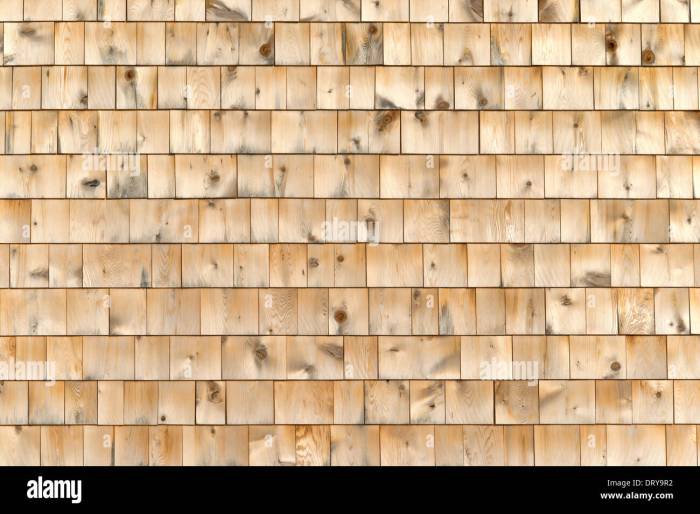
Wood siding offers a classic, natural look that many homeowners find appealing. It can add significant curb appeal to a home. However, wood requires significantly more maintenance than vinyl or fiber cement. It’s susceptible to rot, insect infestation, and damage from moisture. Regular painting or staining is necessary to protect it from the elements, increasing long-term costs. While beautiful, wood siding is the most expensive option and requires the most ongoing upkeep. The initial cost, combined with regular maintenance expenses, makes it a less budget-friendly choice than vinyl or even fiber cement.
Siding Material Comparison
Here’s a table summarizing the key differences between these three siding materials:
| Material | Lifespan (Years) | Cost (Relative) | Maintenance |
|---|---|---|---|
| Vinyl | 20-30 | Low | Low |
| Fiber Cement | 50+ | Medium-High | Medium-Low |
| Wood | 20-30 (with maintenance) | High | High |
Installation Methods and Techniques
Source: plasteringsolutionsusa.com
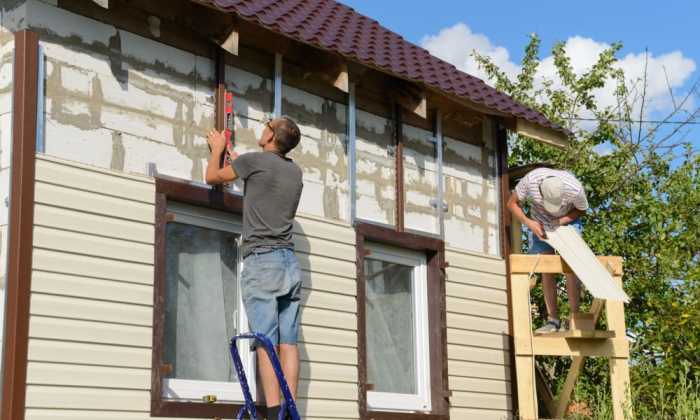
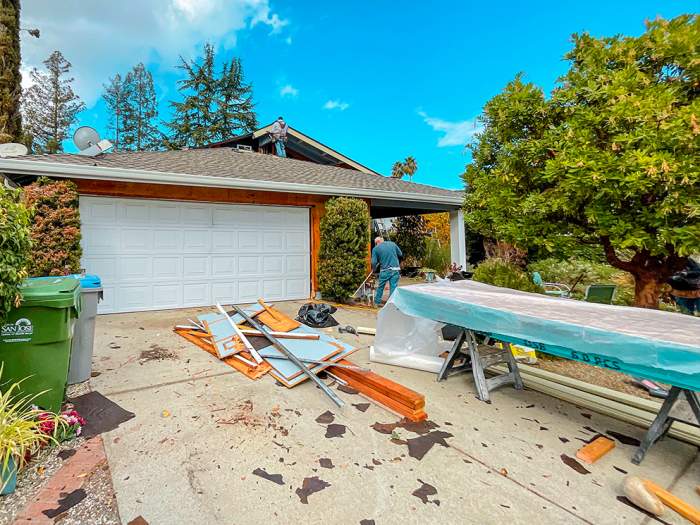
Installing siding over stucco requires careful planning and execution to ensure a long-lasting and aesthetically pleasing result. The specific techniques will vary depending on the type of siding you choose, but the overall process involves securing furring strips to the stucco, and then attaching the siding to the strips. This creates an air gap, crucial for ventilation and preventing moisture problems.
Proper fastening is paramount to prevent siding failure. Using the correct fasteners and spacing them appropriately is essential for a secure installation that can withstand various weather conditions. Improper fastening can lead to damage, gaps, and premature deterioration of the siding.
Vinyl Siding Installation
Vinyl siding is a popular choice due to its affordability and ease of installation. However, it’s crucial to follow the manufacturer’s instructions precisely.
- Prepare the Stucco: Clean the stucco surface thoroughly, repairing any cracks or damage. Apply a primer if necessary to improve adhesion.
- Install Furring Strips: Attach 1×2 or 1×3 furring strips horizontally to the stucco using construction adhesive and corrosion-resistant screws spaced approximately 12 inches apart. Ensure the strips are level and plumb.
- Install J-Channel and Start Trim: Begin at a corner, installing J-channel to create a clean edge for the siding. Then, install the start trim along the bottom edge.
- Install the First Course of Siding: Slide the first course of siding into the J-channel and start trim, engaging the locking mechanism. Fasten it securely to the furring strips using appropriate nails, spaced according to the manufacturer’s instructions. Avoid over-driving the nails.
- Install Subsequent Courses: Continue installing subsequent courses, ensuring each course is overlapped and properly locked into place. Use a level to ensure alignment.
- Install Finishing Trim: Once all siding is installed, install the finishing trim pieces, including corner trim, J-channel, and any other necessary pieces.
Fiber Cement Siding Installation
Fiber cement siding offers superior durability and fire resistance compared to vinyl. Its installation requires more precision and often involves specialized tools.
- Prepare the Stucco: Thoroughly clean and repair the stucco surface, paying close attention to any imperfections. Apply a primer if recommended by the manufacturer.
- Install Furring Strips: Attach furring strips to the stucco using construction adhesive and corrosion-resistant screws, similar to the vinyl siding installation. Ensure proper spacing and levelness.
- Install Starter Strip: Install a starter strip along the bottom edge to provide a solid base for the first row of siding.
- Install Fiber Cement Panels: Begin installing the fiber cement panels, ensuring proper alignment and overlap. Use galvanized nails or screws, spaced according to the manufacturer’s specifications. Pre-drill pilot holes to prevent cracking.
- Caulk Joints: Caulk all seams and joints between the fiber cement panels to prevent water intrusion. Choose a high-quality, exterior-grade caulk.
- Install Trim and Flashing: Install trim pieces and flashing around windows, doors, and other openings to protect against water damage. Pay close attention to detail to ensure a watertight seal.
Fastening Techniques
Choosing the right fasteners is critical. For vinyl siding, use galvanized nails designed for vinyl siding. For fiber cement, use corrosion-resistant screws specifically designed for this material. Over-driving fasteners can damage the siding, while under-driving can lead to loose siding and potential damage from wind or weather. Always refer to the manufacturer’s instructions for recommended fastener type, size, and spacing. A consistent spacing pattern ensures an even distribution of stress across the siding. For example, a common spacing is 6 inches in the center for vinyl siding and 8 inches in the center for fiber cement. Using a nail gun can speed up the process, but ensure you have the right settings to prevent damage.
Addressing Potential Issues and Troubleshooting: Install Siding Over Stucco
Source: plasteringsolutionsusa.com
Installing siding over stucco can present unique challenges. While careful preparation and proper technique minimize problems, understanding potential issues and their solutions is crucial for a successful project. This section will cover common problems, their causes, and effective solutions, ensuring a durable and aesthetically pleasing final result.
Water Damage Prevention and Repair
Water intrusion is a significant concern when siding over stucco. Improper flashing, gaps in the siding, or inadequate sealing around windows and doors can lead to moisture damage behind the new siding, causing rot, mold, and structural issues. Preventing water damage begins with a thorough inspection of the existing stucco. Repair any cracks or holes, ensuring a completely sealed surface before siding installation. Use high-quality, weather-resistant caulk and flashing materials, paying close attention to areas where water is most likely to penetrate. Regular inspections after installation can also help identify and address any leaks early on. If water damage does occur, promptly repair the affected areas, removing and replacing damaged materials as needed. Consider using moisture-resistant underlayment to provide an extra layer of protection.
Addressing Improper Installation
Improper installation is another frequent source of problems. This includes issues such as uneven siding, gaps between panels, and inadequate fastening. Uneven siding can be caused by a poorly prepared surface or inconsistent installation techniques. Gaps between panels allow water penetration and compromise the aesthetic appeal. Inadequate fastening can lead to loose siding, susceptible to wind damage. Careful measurement and precise cutting are essential to avoid these issues. Using appropriate fasteners and following the manufacturer’s instructions for spacing and installation techniques is crucial. If unevenness or gaps are discovered after installation, they can often be corrected by carefully removing and reinstalling the affected sections. For loose siding, additional fasteners may be required.
Material Defects and Their Resolution
Defective siding materials can lead to premature failure and aesthetic issues. This can include warping, cracking, discoloration, or damage during shipping or handling. Inspect all siding materials carefully before installation. Reject any damaged or defective pieces. If defects are discovered after installation, contact the manufacturer for warranty claims or replacement materials. Repairing minor defects may be possible depending on the type of siding and the nature of the damage, but significant defects usually necessitate replacement. Choosing high-quality materials from reputable suppliers is a crucial preventative measure.
Common Problems, Causes, and Solutions
| Problem | Cause | Solution | Prevention |
|---|---|---|---|
| Water Damage | Cracks in stucco, gaps in siding, improper flashing | Repair stucco, reseal gaps, install proper flashing | Thorough stucco inspection and repair, use high-quality sealant and flashing |
| Uneven Siding | Uneven stucco surface, improper installation techniques | Remove and reinstall affected sections | Ensure a level and smooth stucco surface before installation |
| Loose Siding | Inadequate fastening, wind damage | Add additional fasteners, repair damaged areas | Use appropriate fasteners and follow the manufacturer’s instructions |
| Material Defects | Damaged or defective materials | Replace defective materials | Inspect materials carefully before installation; purchase from reputable suppliers. |
Building Codes and Permits
Source: plasteringsolutionsusa.com
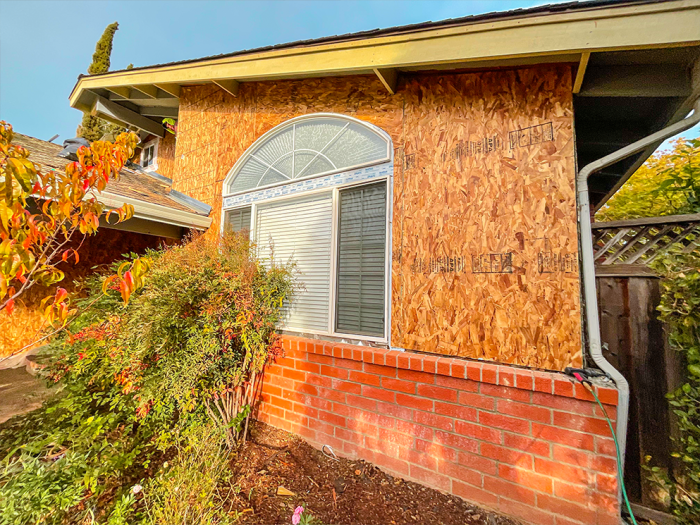
Installing siding over stucco isn’t just about aesthetics; it’s about ensuring the longevity and safety of your home. This involves navigating the sometimes complex world of building codes and permits. Understanding and adhering to these regulations is crucial for a successful and legally sound project. Ignoring them can lead to fines, project delays, and even safety hazards.
Before you even think about picking up a nail gun, you need to familiarize yourself with your local building codes and obtain the necessary permits. These codes vary significantly depending on your location (city, county, state), so checking with your local building department is essential. They’ll provide you with the specific requirements for your area, saving you potential headaches down the line.
Permitting Process
The permit application process typically involves submitting detailed plans of your project, including the type of siding you’re using, the methods of installation, and details about moisture barriers and ventilation. You’ll likely need to provide proof of insurance and potentially other documentation. The review process can take some time, so plan. Expect to pay a fee for the permit, which varies depending on the scope of the project and your location. Failing to obtain the necessary permits before starting work can result in stop-work orders and substantial fines. The process might seem daunting, but it’s a necessary step to ensure your project is compliant and safe.
Importance of Code Compliance
Compliance with local building codes isn’t just about avoiding penalties; it’s about protecting your investment and ensuring the structural integrity and safety of your home. Codes are designed to prevent issues like water damage, mold growth, and fire hazards. Proper installation, according to the code, significantly impacts the lifespan of your siding and the overall value of your property. For instance, failure to install a proper moisture barrier can lead to significant water damage behind the siding, causing rot and structural problems that can be far more expensive to fix than obtaining a permit. In some cases, non-compliance could even void your homeowner’s insurance.
Moisture Barriers and Ventilation Requirements
Building codes often specify minimum requirements for moisture barriers and ventilation in siding installations over stucco. These requirements are designed to prevent moisture buildup within the wall assembly, which can lead to mold, rot, and other structural damage. For example, a common requirement might be the use of a specific type of house wrap or weather barrier, installed with proper overlap and sealing to prevent water penetration. Furthermore, codes frequently dictate minimum ventilation requirements to allow for the escape of moisture vapor, preventing its accumulation behind the siding. This might involve leaving specific gaps between the siding and the sheathing, or the use of vented soffits and ridge vents. Failure to meet these requirements could lead to costly repairs down the road and potentially compromise the structural integrity of your home. Always consult your local building codes for the specific requirements in your area.
Visual Representation of the Process
Source: hdnux.com
Getting a clear picture of what a successful siding-over-stucco project looks like is crucial for both DIYers and professionals. This section provides a detailed visual description of the preparation and installation process, helping you recognize a well-executed job.
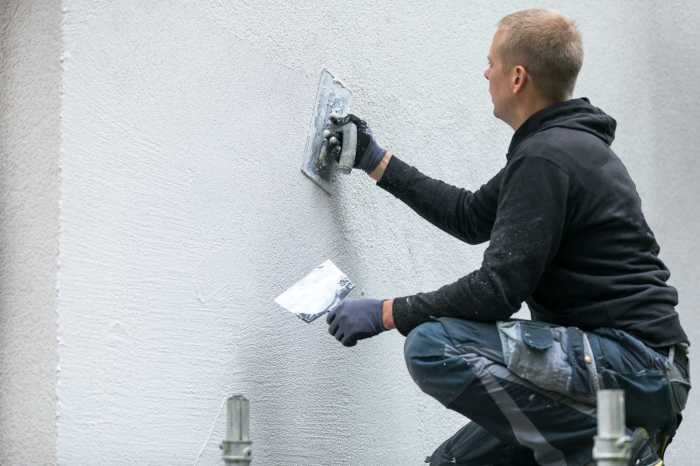
A properly prepared stucco surface ready for siding installation should be clean, dry, and free of any loose or crumbling material. The texture will be consistent, although variations in the original stucco finish are acceptable as long as they are solid and stable. The color might be somewhat uneven, depending on the age and exposure of the stucco, but it should be a uniform base color, allowing for even paint or primer adhesion if needed. Any significant cracks, holes, or damaged areas should be completely repaired and sealed, blending seamlessly with the surrounding surface. The overall impression should be one of a solid, stable foundation ready to receive the new siding.
Prepared Stucco Surface
Imagine a wall of light beige stucco. There are minor variations in shade due to sun exposure, but no large patches of discoloration. The texture is a relatively smooth, slightly pebbled finish, consistent across the entire surface. There are no significant cracks, only a few hairline cracks that have been filled and feathered smoothly with patching compound. The repaired areas are virtually invisible. The entire surface is clean and dry, showing no signs of moisture or efflorescence (salt deposits). This is a visual representation of a properly prepared stucco surface.
Correctly Installed Siding System
A correctly installed siding system over stucco will present a clean, professional appearance. The siding should be neatly aligned, with consistent overlaps and straight lines. Flashing, a crucial element for water management, will be visible at all vulnerable points – such as around windows, doors, and corners – but discreetly integrated into the system. It should be neatly folded and sealed to prevent water intrusion. Caulking will be used sparingly but strategically, filling gaps between the siding and surrounding elements (like windows and trim) to create a watertight seal. The caulking should be neatly applied, matching the siding color as closely as possible, and free from gaps or irregularities. The overall impression is one of a smooth, even surface with precise detailing. For example, consider a house with dark gray vinyl siding installed over stucco. The siding panels are perfectly aligned, with consistent 1/2-inch overlaps. White flashing is neatly tucked under the siding at the window and door frames, barely visible from the front. Matching gray caulk is used at the points where the siding meets the window frames, creating a smooth, seamless transition.
Final Thoughts
Source: whatisvinyl.com
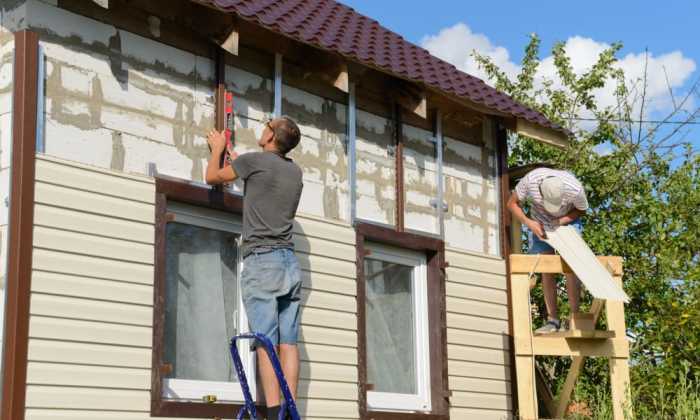
Transforming your stucco home with new siding is a rewarding project that can significantly increase your home’s value and aesthetic appeal. By carefully following the steps Artikel in this guide – from thorough surface preparation to precise installation techniques – you can achieve a professional-looking result. Remember, preparation is key, and choosing the right siding material for your climate and budget is crucial for long-term success. Now go forth and beautify!