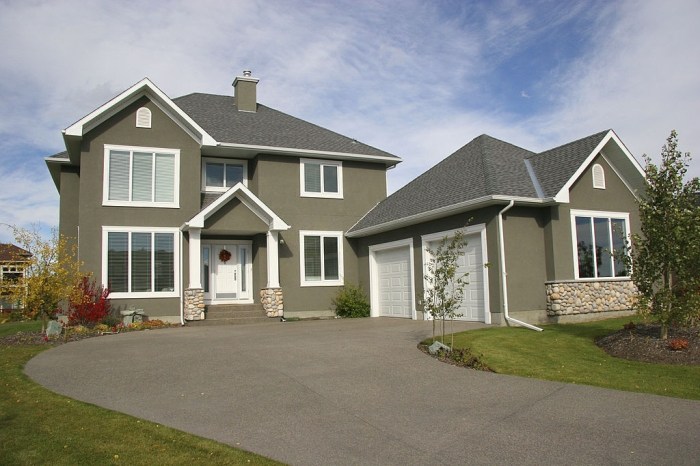
Natural Cedar Shingle Siding A Homeowners Guide
Natural cedar shingle siding offers a timeless appeal, transforming homes with its rich textures and varied colors. From the hand-split rustic charm to the clean lines of sawn shingles, the possibilities are endless. This guide dives into everything you need to know about this beautiful and durable siding option, from choosing the right profile and color to understanding installation and long-term maintenance.
We’ll explore the inherent qualities of cedar that make it a superior choice, comparing its longevity and maintenance needs to other materials. We’ll also cover the cost considerations, environmental impact, and the many ways to personalize your home’s exterior with different stains and finishes. Get ready to discover why natural cedar shingle siding remains a popular choice for homeowners seeking both beauty and durability.
Natural Cedar Shingle Siding
Source: made-in-china.com
Natural cedar shingle siding offers a timeless and elegant exterior for homes, bringing warmth and character to any architectural style. Its enduring appeal stems from a unique combination of natural beauty and practical durability. This section will explore the aesthetic versatility of cedar shingles, focusing on their visual impact and suitability for various design schemes.
Natural Cedar Shingle Siding Aesthetics
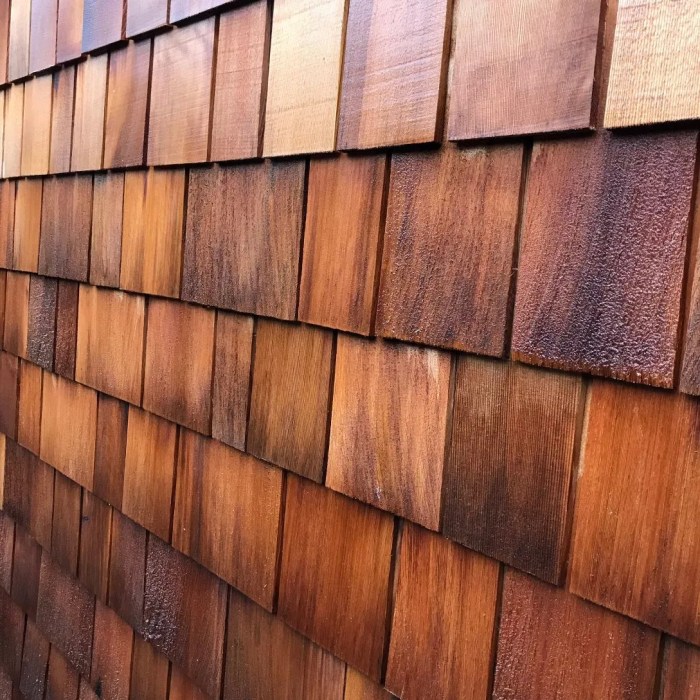
Cedar shingles possess a distinctive visual appeal, largely due to their inherent texture and color variations. The natural grain of the wood creates a rich, varied surface, far from the uniformity of other siding materials. The color ranges from a light, almost silvery gray to a deep reddish-brown, depending on the species of cedar, its age, and exposure to the elements. This natural variation adds depth and complexity to the overall appearance, resulting in a look that is both rustic and refined. The subtle interplay of light and shadow across the textured surface creates a dynamic visual effect that changes throughout the day.
Shingle Profile Comparisons
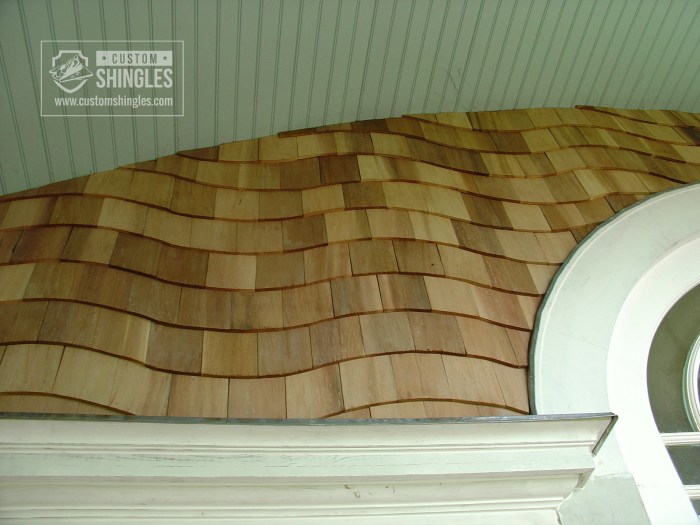
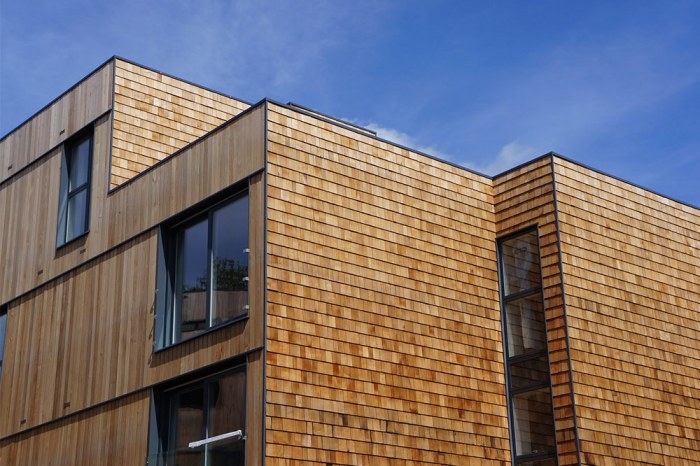
Different shingle profiles significantly impact the final aesthetic. Hand-split shingles, exhibiting irregular shapes and thicknesses, contribute to a more rustic, handcrafted look, often associated with traditional or craftsman-style homes. In contrast, sawn shingles offer a more uniform and refined appearance, with smoother edges and consistent dimensions. Sawn shingles are well-suited for modern or contemporary designs where a cleaner, more precise aesthetic is desired. The choice between hand-split and sawn shingles is largely a matter of personal preference and the desired overall style.
Architectural Style Suitability
Natural cedar shingle siding complements a wide range of architectural styles. Its versatility allows it to seamlessly integrate into both traditional and modern designs, adding a touch of natural elegance to any home.
| Architectural Style | Shingle Profile | Color Palette | Overall Impression |
|---|---|---|---|
| Craftsman | Hand-split | Warm browns and reddish tones | Rustic charm, handcrafted detail |
| Cape Cod | Sawn | Light grays and weathered silvers | Classic New England appeal, understated elegance |
| Contemporary | Sawn, large format | Natural cedar tones, possibly stained for a modern accent | Clean lines, modern simplicity with a natural touch |
| Rustic | Hand-split, varying thicknesses | Deep browns, weathered grays, and natural variations | Untamed natural beauty, strong connection to nature |
Material Properties and Durability
Source: shopify.com
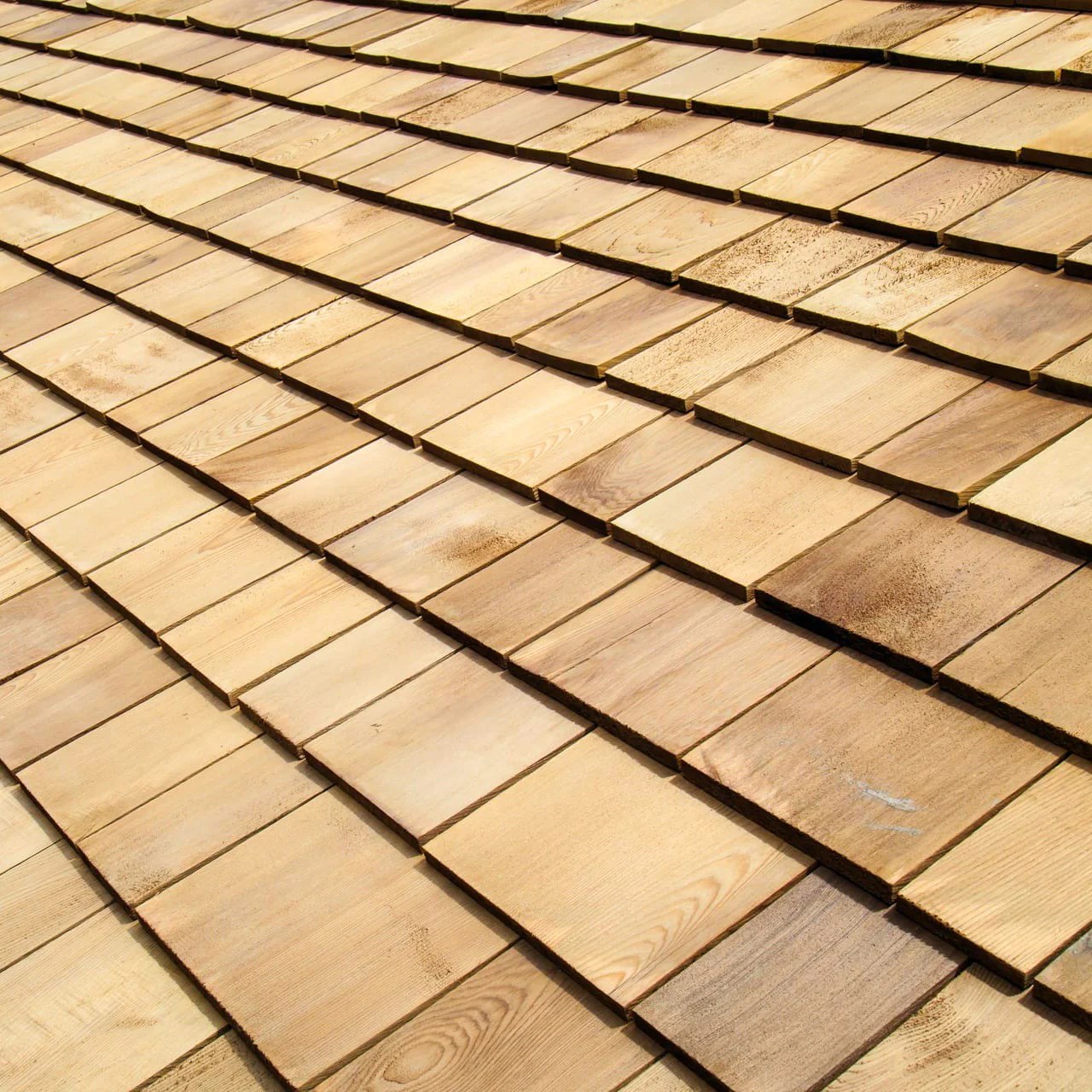
Cedar’s inherent qualities make it a popular choice for siding. Its natural beauty is complemented by remarkable resistance to decay and insect damage, contributing to a longer lifespan compared to many alternatives. Understanding these properties, along with the maintenance requirements, is crucial for making an informed decision.
Cedarwood possesses natural oils and a tight grain structure that acts as a defense against rot and insect infestation. This inherent resistance reduces the need for extensive chemical treatments, making it a more environmentally friendly option for many homeowners. However, the longevity and maintenance requirements of cedar siding vary depending on several factors, including the specific cedar species used, the quality of the shingles, and the climate in which they’re installed.
Cedar Species and Their Impact on Durability
The durability and lifespan of cedar shingle siding are significantly influenced by the cedar species used. Different species possess varying levels of natural resistance to decay and insect damage. Choosing the right species is a key factor in determining the long-term performance of your siding.
- Western Red Cedar (Thuja plicata): Known for its exceptional rot resistance, straight grain, and beautiful reddish hue. Western Red Cedar generally boasts a lifespan exceeding 30 years with proper maintenance. Its inherent durability makes it a premium choice, often justifying its higher initial cost.
- Eastern White Cedar (Thuja occidentalis): While slightly less durable than Western Red Cedar, Eastern White Cedar still offers good rot resistance and is a more readily available and often more affordable option. Expect a lifespan of 25-30 years with regular maintenance.
- Incense Cedar (Calocedrus decurrens): Possessing a lighter color and pleasant aroma, Incense Cedar offers moderate rot resistance. Its lifespan is typically in the 20-25 year range, depending on climate and maintenance.
Cedar Grades and Their Influence on Longevity
The grade of cedar shingles also impacts their durability and longevity. Higher grades generally indicate less knotting, fewer imperfections, and a more uniform appearance, leading to increased resistance to weathering and damage.
For example, a premium-grade shingle will have fewer knots and less variation in thickness, resulting in a more consistent and durable installation. Lower grades might contain more knots and imperfections, potentially weakening the shingles and making them more susceptible to damage from the elements. This can significantly impact the lifespan of the siding. Regular inspections and prompt repairs are essential regardless of the grade, but higher grades will generally require less frequent attention.
Lifespan and Maintenance Compared to Other Siding Materials
Cedar siding, while durable, requires regular maintenance to maximize its lifespan. Compared to other siding materials, its maintenance demands are moderate.
For instance, vinyl siding generally requires less maintenance, but it has a shorter lifespan and is less environmentally friendly. Fiber cement siding offers excellent durability and longevity, but it’s more expensive and requires more specialized installation techniques. Cedar’s natural beauty and moderate maintenance requirements make it a compelling alternative for homeowners valuing a natural look and a reasonable level of upkeep.
A well-maintained cedar shingle siding can last for decades, easily surpassing the lifespan of vinyl siding (typically 20-30 years) and potentially matching or exceeding that of fiber cement siding (30-50 years), depending on the specific cedar species, grade, and maintenance practices. Regular cleaning, staining, or painting every 5-7 years (depending on climate and exposure), and prompt repair of any damaged shingles are key to extending its life.
Installation and Construction Techniques
Source: made-in-china.com
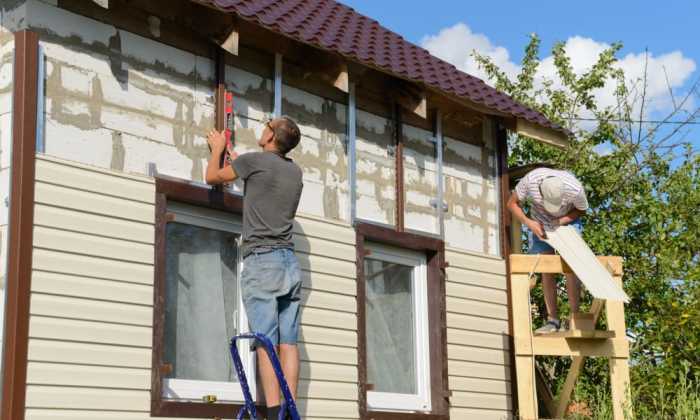
Installing natural cedar shingle siding is a rewarding project that can significantly enhance your home’s curb appeal and value. However, it requires careful planning and execution to ensure a long-lasting, aesthetically pleasing result. This section details the process, compares installation methods, and provides a DIY guide for homeowners.
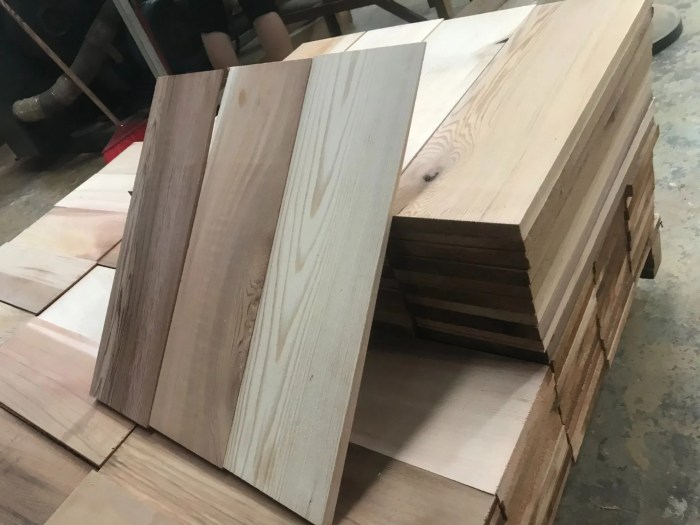
The installation process generally involves several key steps, from initial preparation to final finishing touches. Proper preparation is crucial for a successful outcome. This includes ensuring a sound, level substrate, selecting appropriate underlayment (if needed), and gathering all necessary tools and materials. Careful measurement and planning will prevent costly mistakes and material waste.
Preparation and Substrate Assessment
Before beginning any installation, a thorough assessment of the wall surface is necessary. This involves checking for any damage, rot, or insect infestation. Any damaged areas must be repaired before installing the siding. The surface should be clean, dry, and level to ensure proper shingle adhesion and a uniform appearance. This might involve removing old siding, patching holes, and applying a moisture barrier, depending on the existing wall condition. For example, if there’s existing wood siding, ensure it’s sound and free from rot before proceeding. If the wall is concrete or brick, appropriate fasteners and possibly furring strips will be required to create a suitable surface for the shingles.
Installation Methods: Vertical vs. Horizontal
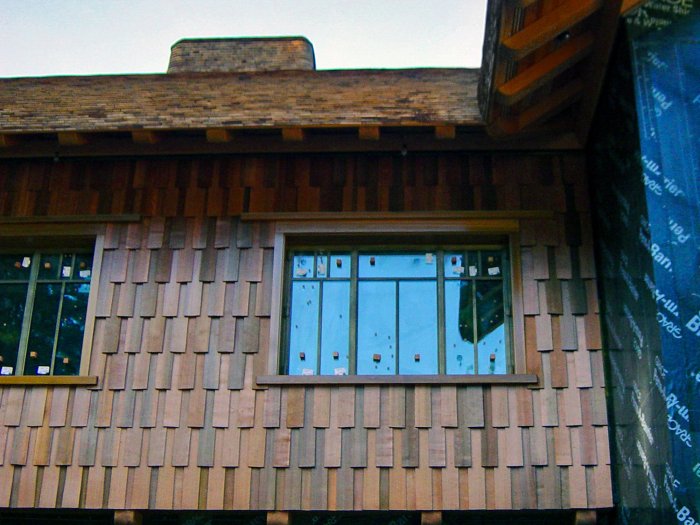
Two primary methods exist for installing cedar shingle siding: vertical and horizontal. Vertical installation, often used for a more modern look, involves applying shingles vertically from the bottom up, overlapping each shingle. Horizontal installation, a more traditional approach, involves applying shingles horizontally in courses, with the bottom course overlapping the top of the one below.
Vertical installation offers a unique aesthetic and can sometimes be easier to manage in larger areas. However, it may require more precise cutting and can be more vulnerable to water penetration if not installed correctly. Horizontal installation is generally considered easier for beginners due to its simpler overlapping pattern and is often more resistant to water damage when done properly. The choice depends largely on personal preference and the architectural style of the house. Consider the climate and potential for water exposure when making your decision.
DIY Installation Guide: Tools and Safety
For homeowners considering a DIY installation, careful planning and preparation are key. Essential tools include a measuring tape, circular saw (or hand saw for smaller jobs), hammer, nail gun (optional but highly recommended for efficiency), safety glasses, work gloves, and a level. Choosing the right fasteners is crucial – galvanized nails are a common choice for their corrosion resistance.
Safety precautions are paramount. Always wear safety glasses and work gloves to protect against eye injuries and splinters. Use a nail gun with caution, following all manufacturer instructions. Work from a stable platform, such as a scaffold or ladder, and ensure proper fall protection. Be mindful of overhead power lines and take necessary precautions. Always consult local building codes and regulations before starting any project.
Finishing Touches and Maintenance
Once the siding is installed, consider applying a sealant or stain to protect the cedar from the elements and enhance its natural beauty. This will prolong the life of the siding and maintain its aesthetic appeal. Regular maintenance, including cleaning and occasional re-application of sealant, will further extend the lifespan of your cedar shingle siding. For instance, a yearly inspection for loose shingles or signs of damage is advisable.
Cost and Environmental Considerations
Source: Squarespace-cdn.com
Choosing natural cedar shingle siding involves careful consideration of both upfront and long-term costs, as well as the environmental implications of this beautiful and durable material. Understanding these factors will help you make an informed decision that aligns with your budget and environmental values.
Cost Breakdown of Natural Cedar Shingle Siding
The total cost of cedar shingle siding is influenced by several factors, leading to a wide range of potential expenses. Materials costs vary depending on the grade of cedar (clear, knotty, etc.), thickness, and the size and style of the shingles. Labor costs are highly dependent on your location, the complexity of the project (e.g., intricate detailing, difficult access), and the contractor’s experience. Finally, maintenance costs, which include periodic cleaning, staining, and potential repairs, contribute to the overall lifetime expense. Let’s look at a simplified example: For a 1,500-square-foot home, materials might range from $8,000 to $15,000, labor could cost between $7,000 and $15,000, and maintenance over 20 years could add another $3,000 to $6,000. These are rough estimates; it’s crucial to obtain multiple detailed quotes from reputable contractors in your area for accurate pricing.
Environmental Impact of Cedar Harvesting and Sustainability
Responsible cedar harvesting practices are essential for minimizing the environmental impact of using this material. Sustainable forestry management techniques, such as selective logging and reforestation efforts, help ensure the long-term health of cedar forests. Certifications like the Forest Stewardship Council (FSC) assure that the cedar used comes from responsibly managed forests. However, the environmental impact also depends on transportation distances – locally sourced cedar has a lower carbon footprint than cedar shipped across continents. Choosing cedar from certified sustainable sources helps mitigate concerns about deforestation and habitat loss.
Comparison of Cedar Shingle Siding with Alternatives
Several siding materials offer alternatives to cedar shingles. Each has its own set of advantages and disadvantages concerning initial cost, maintenance, and environmental impact. The following table provides a general comparison, recognizing that actual costs can vary significantly based on location and specific product choices. The environmental impact rating is a subjective assessment based on factors like material sourcing, manufacturing processes, and end-of-life disposal.
| Siding Material | Initial Cost (USD per sq ft – Estimated Range) | Maintenance Cost (USD per sq ft over 20 years – Estimated Range) | Environmental Impact (Rating Scale: Low, Medium, High) |
|---|---|---|---|
| Natural Cedar Shingles | $5-$15 | $2-$4 | Medium |
| Vinyl Siding | $3-$7 | $1-$2 | Medium |
| Fiber Cement Siding | $6-$12 | $1-$3 | Medium |
| Engineered Wood Siding | $4-$10 | $1-$3 | Medium |
Maintenance and Preservation
Source: Squarespace-cdn.com
Cedar shingle siding, while naturally durable, requires regular maintenance to retain its beauty and extend its lifespan. Neglecting upkeep can lead to premature aging, damage from the elements, and costly repairs down the line. A proactive approach, however, can ensure your cedar siding remains a stunning and valuable feature of your home for many years.
Proper maintenance involves a combination of cleaning, stain/sealant application, and timely repair of any damaged shingles. This section details best practices for each of these aspects.
Cedar Siding Cleaning
Regular cleaning is crucial for preventing dirt, mildew, and algae buildup. This buildup not only detracts from the aesthetic appeal but can also compromise the wood’s integrity. A simple cleaning can often prevent more serious problems. Cleaning should ideally be done at least once a year, more frequently in areas with high humidity or pollution. For routine cleaning, a solution of mild detergent and water applied with a soft-bristled brush is usually sufficient. Rinse thoroughly with a garden hose afterward, ensuring all detergent residue is removed. For more stubborn stains, a pressure washer can be used, but it’s important to maintain a safe distance to avoid damaging the shingles. Always test any cleaning solution on a small, inconspicuous area first to ensure it doesn’t damage the finish.
Suitable Stains and Sealants for Cedar Siding
A wide variety of stains and sealants are available, each offering different levels of protection and aesthetic effects. Oil-based stains penetrate deeply into the wood, providing excellent protection against moisture and UV damage. They typically offer a richer, more natural look. Water-based stains are less toxic and easier to clean up, but they generally offer less protection and may require more frequent reapplication. Solid-color stains completely hide the wood grain, providing a uniform color. Semi-transparent stains allow the wood grain to show through while adding color. Sealants, on the other hand, primarily focus on protecting the wood from moisture, without necessarily adding color. The choice of stain or sealant depends on personal preference, budget, and the desired level of protection. Always follow the manufacturer’s instructions for application.
Applying Stains and Sealants
Proper application is key to achieving optimal results. Before applying any stain or sealant, ensure the siding is clean and dry. Apply the product evenly using a brush, roller, or sprayer, following the manufacturer’s recommended application method. Work in small sections to avoid lap marks and ensure complete coverage. Allow ample drying time between coats, typically 24-48 hours. For best results, apply two coats of stain or sealant.
Repairing Damaged Cedar Shingles, Natural cedar shingle siding
Over time, some cedar shingles may become damaged due to weather, age, or insect infestation. Minor damage, such as cracks or loose shingles, can often be repaired relatively easily. Loose shingles should be firmly nailed back into place, using galvanized nails to prevent rust. For more significant damage, replacing the affected shingles is usually necessary. When replacing shingles, select shingles that match the existing siding as closely as possible. Properly matching the wood grain and color ensures a seamless repair. Always follow local building codes and regulations when performing repairs. For extensive damage or if you are unsure about the repair process, consult a professional.
Color and Finish Options: Natural Cedar Shingle Siding
Source: co.nz
Choosing the right color and finish for your cedar shingle siding is a crucial decision impacting both the aesthetic appeal and longevity of your home. The natural beauty of cedar offers a wide range of possibilities, from subtle variations in tone to bold, vibrant hues achieved through staining or painting. Understanding the impact of different finishes allows you to make an informed choice that reflects your style and protects your investment.
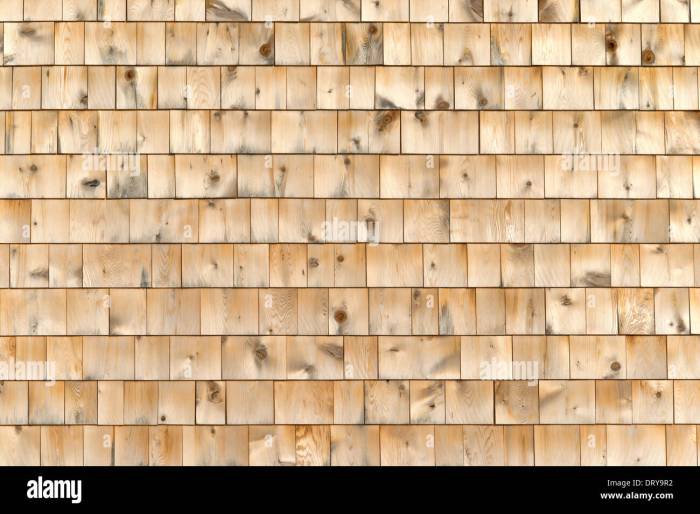
Cedar shingles naturally exhibit a spectrum of colors, primarily ranging from a light, almost golden blonde to a rich, reddish-brown. The exact shade depends on several factors including the species of cedar, the age of the wood, and the amount of sun exposure. You’ll often find variations even within a single batch of shingles, contributing to the natural, rustic charm of cedar siding. Some shingles might show hints of gray or even purplish tones, adding to the overall complexity and visual interest.
Natural Color Variations in Cedar Shingles
The inherent color variations in cedar shingles contribute significantly to their unique character. Newly installed shingles will typically display a brighter, lighter hue that will gradually deepen and mellow over time due to weathering and exposure to the elements. This natural aging process often results in a beautiful silver-gray patina, adding to the home’s rustic charm. Understanding this natural aging process is essential for managing expectations and appreciating the evolving aesthetic of the siding. For example, a home initially showcasing a warm golden hue might transform into a more subdued, silvery-gray tone over several years, offering a different, equally attractive aesthetic appeal.
Effects of Different Finishes
Different finishes offer diverse aesthetic outcomes and levels of protection. A clear finish, for example, enhances the natural beauty of the wood while providing a degree of UV protection. This option allows the cedar’s natural color variations to shine through and subtly age over time, creating a beautiful, weathered look. Stains, on the other hand, allow for more control over color, adding depth and richness to the wood while still allowing some of the natural grain to show. Stains are available in a vast array of colors and can range from transparent to semi-transparent to opaque. Painted cedar shingles provide the most dramatic transformation, offering complete color customization and a highly durable, long-lasting finish. However, the painting completely obscures the wood grain.
Visual Impact of Color and Finish Choices
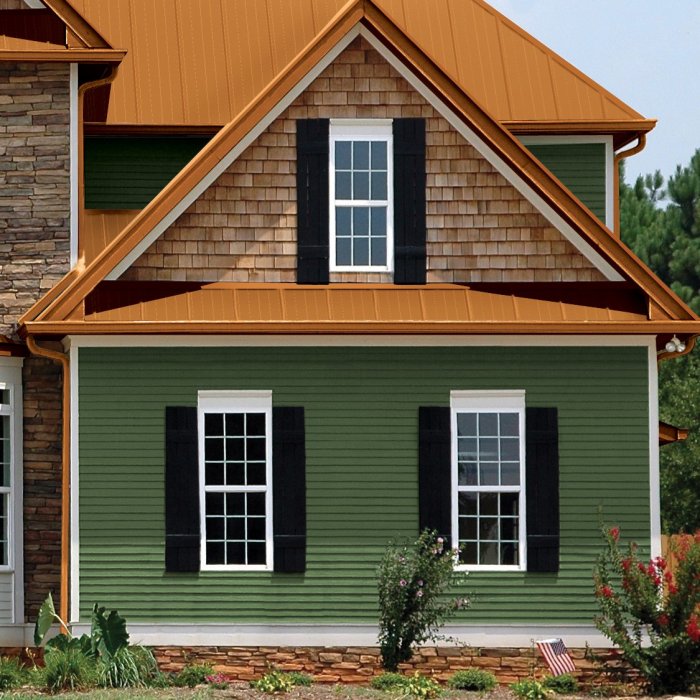
Imagine a cozy craftsman-style home. With a clear finish, the cedar shingles showcase a blend of warm golden and reddish-brown tones, complementing the home’s natural stone foundation. The subtle color variations add visual texture and interest. Now, picture the same home with a semi-transparent stain in a deep, earthy brown. The overall tone becomes richer and more dramatic, while the wood grain remains visible. Finally, envision the home painted a crisp, clean white. The white siding creates a striking contrast with the darker roof and trim, offering a fresh, modern look. Each finish choice drastically alters the home’s character, demonstrating the transformative power of color and finish in exterior design. For instance, a coastal home might benefit from a light gray stain that blends seamlessly with the surroundings, while a mountain cabin might look stunning with a deep, rustic brown stain or even a rich, dark green paint.
Last Point
Source: alamy.com
Ultimately, natural cedar shingle siding represents a blend of classic aesthetics and modern sustainability. While the initial investment might be higher than some alternatives, the enduring beauty, natural resistance to the elements, and potential for increased home value make it a worthwhile consideration. By understanding the nuances of installation, maintenance, and the various design choices available, you can confidently embark on a project that will enhance your home’s curb appeal for years to come. Remember to weigh the pros and cons, consider your budget, and choose the option that best suits your home and lifestyle.