Community Inclusion Building Better Together
Community inclusion means creating spaces where everyone feels welcome, valued, and able to participate fully. It’s about dismantling barriers – both visible and invisible – that prevent individuals and groups from engaging in their communities. This exploration delves into the multifaceted nature of inclusion, examining its core principles, the obstacles it faces, and the innovative strategies we can employ to build truly inclusive societies.
We’ll unpack the key differences between integration and inclusion, highlighting how a truly inclusive community actively works to remove systemic disadvantages and foster a sense of belonging for all. From understanding the impact of societal biases to implementing practical solutions, this guide offers a comprehensive roadmap towards creating more equitable and vibrant communities.
Defining Community Inclusion

Source: clipground.com
Community inclusion is more than just having people with disabilities or from diverse backgrounds present in a community; it’s about ensuring everyone feels a genuine sense of belonging, participation, and value. It’s about creating a society where differences are celebrated and everyone has equal opportunities to thrive.
This involves actively removing barriers that prevent full participation and creating environments where everyone feels welcomed, respected, and empowered to contribute their unique skills and perspectives. It’s a proactive and ongoing process requiring commitment from individuals, organizations, and the community as a whole.
Key Principles of Community Inclusion
The concept of community inclusion rests on several fundamental principles. These principles guide the development and implementation of inclusive practices and policies. Understanding these principles is crucial for creating truly inclusive communities.
- Respect for Diversity: Acknowledging and valuing the unique characteristics, experiences, and perspectives of all individuals, regardless of their background or abilities.
- Equal Opportunities: Ensuring that everyone has access to the same resources, services, and opportunities to participate fully in community life.
- Empowerment: Providing individuals with the tools and support they need to make choices, take control of their lives, and participate in decision-making processes that affect them.
- Accessibility: Removing physical, attitudinal, and systemic barriers that prevent full participation. This includes ensuring accessibility in physical spaces, communication, and information access.
- Collaboration and Partnership: Working together with individuals, families, organizations, and communities to create inclusive environments. This involves shared decision-making and mutual respect.
Inclusion Versus Integration
While often used interchangeably, inclusion and integration are distinct concepts. Integration focuses on fitting individuals into existing structures and systems, often requiring individuals to adapt to the dominant culture or norms. Inclusion, on the other hand, involves transforming those structures and systems to accommodate the diverse needs and preferences of all individuals.
Integration might involve placing a student with a disability in a regular classroom without adequate support, while inclusion would involve providing the necessary support and modifications to ensure the student’s successful participation and learning. Integration is about fitting in; inclusion is about belonging. The goal of inclusion is to create a society where everyone belongs and feels valued, not just tolerated.
Barriers to Community Inclusion

Source: centerlineinc.com
Building truly inclusive communities requires understanding and addressing the many obstacles that prevent full participation for diverse groups. These barriers are complex and interconnected, stemming from individual attitudes, systemic policies, and environmental factors. Ignoring these barriers perpetuates inequality and limits the potential of our communities.
Societal Attitudes and Biases
Prejudices and stereotypes significantly impact community inclusion. Negative attitudes towards specific groups, based on factors like race, ethnicity, religion, gender, sexual orientation, disability, or socioeconomic status, can lead to discrimination and exclusion. These biases manifest in various ways, from subtle microaggressions to overt acts of hostility, creating an unwelcoming and isolating environment. For example, unconscious bias can influence hiring practices, leading to the underrepresentation of certain groups in employment and leadership positions. Similarly, stereotypes can lead to unfair treatment in healthcare, education, and other vital services. Overcoming these biases requires education, awareness campaigns, and a commitment to challenging discriminatory behaviors.
Systemic Barriers to Community Inclusion
Systemic barriers are deeply ingrained structures and policies that unintentionally or intentionally limit opportunities for certain groups. These barriers operate at various levels—local, regional, and national—creating a web of interconnected challenges. Addressing these systemic issues requires a multi-pronged approach involving policy changes, resource allocation, and community-based initiatives.
| Barrier Type | Description | Impact on Community | Potential Solutions |
|---|---|---|---|
| Accessibility Barriers | Lack of wheelchair ramps, inadequate public transportation, inaccessible buildings, and a lack of assistive technologies. | Limits participation of people with disabilities in community activities, employment, and education. Creates social isolation and reduces quality of life. | Invest in inaccessible infrastructure, implement universal design principles, provide assistive technologies, and enforce accessibility standards. |
| Economic Barriers | Poverty, lack of affordable housing, limited access to healthcare and education, and unemployment. | Creates significant inequalities, limits opportunities, and contributes to social stratification. Reduces social mobility and hinders community cohesion. | Implement affordable housing initiatives, increase minimum wage, expand access to affordable healthcare and education, and invest in job training programs. |
| Geographic Barriers | Limited access to transportation, lack of services in rural areas, and geographical isolation. | Restricts access to essential services, education, and employment opportunities. Leads to social isolation and limited participation in community life. | Improve public transportation, invest in rural infrastructure, and implement telemedicine and distance learning programs. |
| Language Barriers | Lack of multilingual services and resources, communication difficulties, and limited access to information. | Creates barriers to accessing essential services, education, and employment. Leads to social isolation and misunderstanding. | Provide multilingual services, offer language training programs, and ensure materials are available in multiple languages. |
Promoting Community Inclusion

Source: libertyucc.com
Building truly inclusive communities requires proactive strategies and a commitment to creating environments where everyone feels welcome, valued, and able to participate fully. This involves understanding and addressing barriers, but more importantly, implementing practical solutions that foster belonging and shared experiences. This section articulates strategies and practices for promoting community inclusion.
Practical Strategies for Fostering Community Inclusion
Effective community inclusion isn’t a one-size-fits-all approach. It requires a multifaceted strategy encompassing various aspects of community life. We need to move beyond simply acknowledging diversity to actively creating opportunities for participation and interaction.
- Accessible and Inclusive Events and Activities: Organize community events and activities that cater to diverse needs and abilities. Consider offering events at various times and locations, providing accessible transportation options, and offering diverse programming to appeal to a broad range of interests and skill levels. For example, a community festival could include sensory-friendly areas for individuals with autism, sign language interpretation, and wheelchair-accessible pathways.
- Partnerships with Community Organizations: Collaborate with local organizations representing diverse groups, such as disability rights groups, LGBTQ+ organizations, and immigrant support services. These partnerships provide valuable insights and resources, facilitating more effective inclusion initiatives. For instance, partnering with a local disability advocacy group can ensure your events are truly accessible and inclusive.
- Inclusive Leadership and Decision-Making: Ensure diverse representation at all levels of community leadership and decision-making processes. This ensures the perspectives and needs of all community members are considered and addressed. A community council, for example, should reflect the demographic diversity of the community it serves.
- Community-Based Mentorship Programs: Establish mentorship programs connecting individuals from different backgrounds and experiences. This fosters understanding, reduces prejudice, and builds stronger community bonds. For instance, a program could pair young people from diverse backgrounds with older adults who can share their wisdom and experiences.
Inclusive Language and Communication
The language we use significantly impacts how people feel included or excluded. Using inclusive language promotes respect and understanding, creating a welcoming environment for everyone.
Inclusive communication goes beyond avoiding offensive terms. It involves actively using language that reflects the diversity of the community. This includes using person-first language (“person with a disability” instead of “disabled person”), avoiding gendered language, and using terms that are respectful and culturally sensitive. For example, instead of using generic terms like “manpower,” use inclusive terms such as “workforce” or “personnel.” Additionally, providing materials in multiple languages caters to the linguistic diversity of the community. Active listening and seeking diverse perspectives are also crucial elements of inclusive communication.
Accessibility Initiatives Enhancing Community Participation
Accessibility initiatives are crucial for ensuring that people with disabilities can fully participate in community life. These initiatives remove physical, communication, and attitudinal barriers.
- Accessible Transportation: Providing accessible public transportation, including wheelchair-accessible buses and trains, is fundamental. This also includes considering the availability of accessible ride-sharing services.
- Accessible Buildings and Facilities: Ensuring that community buildings and facilities comply with accessibility standards, including ramps, elevators, accessible restrooms, and appropriate signage, is crucial for participation. This also extends to online accessibility, such as websites and online forms that are compatible with assistive technologies.
- Assistive Technologies: Providing access to assistive technologies such as screen readers, hearing aids, and communication devices is essential for people with various disabilities. This could involve partnering with organizations that provide assistive technology or offering training on its use.
- Communication Accessibility: Providing information in accessible formats, such as large print, Braille, audio, and alternative formats, is essential for ensuring that everyone can access important information. This includes providing sign language interpretation at events and meetings.
Community Outreach and Engagement Plan for Inclusivity
A comprehensive outreach and engagement plan is crucial for building an inclusive community. This plan needs to actively involve community members in the process, ensuring that the initiatives reflect their needs and priorities.
This plan should include strategies for identifying and reaching out to underrepresented groups, creating opportunities for feedback and participation, and establishing ongoing communication channels. For example, regular community forums, surveys, and focus groups can provide valuable input. Additionally, utilizing various communication channels, such as social media, community newsletters, and local media outlets, ensures that information reaches a wider audience. This participatory approach ensures that inclusion initiatives are relevant and effective, ultimately creating a stronger and more vibrant community for everyone.
Measuring the Impact of Inclusion Initiatives
Source: slideserve.com
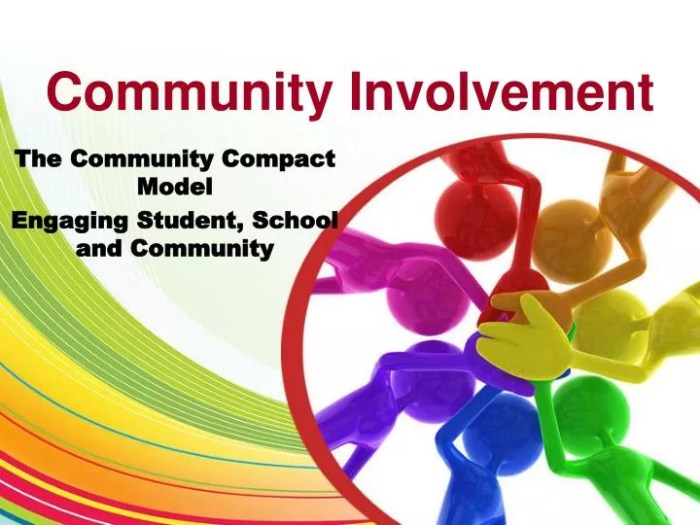
Measuring the success of community inclusion programs requires a thoughtful and multifaceted approach. It’s not enough to simply implement initiatives; we need robust methods to track their effectiveness and identify areas needing improvement. This involves establishing clear goals, selecting appropriate metrics, and employing reliable data collection methods.
Effective evaluation helps demonstrate the value of inclusion programs to stakeholders, secures continued funding, and ultimately leads to more impactful and sustainable initiatives. A well-defined evaluation framework allows for ongoing adjustments, ensuring programs remain relevant and responsive to the evolving needs of the community.
Framework for Evaluating Inclusion Programs
A strong evaluation framework should be established before implementing any inclusion initiative. This framework should align with the program’s overall goals and objectives. It should encompass both quantitative and qualitative data to provide a comprehensive understanding of the program’s impact. Key components include clearly defined goals, measurable objectives, data collection methods, and a timeline for data analysis and reporting. For example, a program aiming to increase the participation of marginalized groups in local events might set goals such as a specific percentage increase in attendance and feedback surveys to assess participant satisfaction.
Metrics for Assessing Community Inclusion
Several metrics can be used to gauge the success of inclusion initiatives. These metrics should reflect the program’s specific goals and the dimensions of inclusion being addressed.
- Participation Rates: Track the number and diversity of participants in various activities. This can be broken down by demographic groups (age, race, ethnicity, disability, etc.) to identify disparities and measure progress toward equitable participation.
- Satisfaction Levels: Use surveys and feedback mechanisms to gauge participant satisfaction with the program and its accessibility. This provides qualitative insights into the program’s effectiveness and areas for improvement.
- Attitudinal Changes: Measure shifts in attitudes and perceptions towards inclusion among community members, both participants and non-participants. This could involve pre- and post-program surveys assessing levels of inclusivity, bias, and understanding.
- Changes in Social Interaction: Observe and record changes in social interaction patterns among different community groups. This might involve qualitative data collection methods like focus groups or ethnographic observations to assess the impact of the program on social cohesion.
- Access to Resources and Opportunities: Assess whether the program has increased access to resources and opportunities for marginalized groups. This could involve tracking employment rates, educational attainment, or access to essential services.
Data Collection Methods
Various methods can be employed to gather data, each with its strengths and limitations.
- Surveys: Surveys, both quantitative and qualitative, can collect large amounts of data efficiently. Pre- and post-program surveys can measure changes in attitudes, knowledge, and behaviors.
- Interviews: In-depth interviews provide rich qualitative data offering valuable insights into individual experiences and perspectives.
- Focus Groups: Focus groups allow for interactive discussions and the exploration of complex issues among a diverse group of participants.
- Observations: Direct observation of program activities can provide valuable information about participation rates, interaction patterns, and the overall atmosphere of inclusivity.
- Document Review: Analyzing program documentation, such as attendance records and participant feedback forms, can provide additional data to support the evaluation.
Case Studies of Inclusive Communities
Source: charitysmith.org
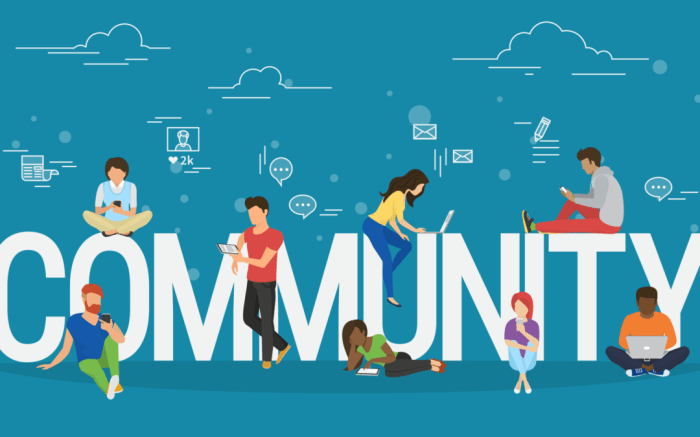
This section explores successful examples of community inclusion, analyzing their strategies, challenges, and lessons learned. By examining diverse approaches, we can identify best practices and adapt them to various contexts. Understanding the complexities involved in building inclusive communities is crucial for effective implementation.
The Village of Inclusion: A Rural Community’s Approach
This small, rural community in Vermont prioritized accessibility in all aspects of life. They redesigned public spaces, including sidewalks and parks, to be wheelchair accessible. They also established a volunteer network that provided transportation and assistance to residents with disabilities. Furthermore, they implemented inclusive employment practices, hiring individuals with disabilities for various community roles. Their success stems from a strong community ethos of collaboration and mutual support.
Key Lesson: Grassroots initiatives, driven by community members, can be highly effective in promoting inclusion. Building on existing social networks and fostering a culture of mutual aid are vital.
Inclusive Urban Design in Amsterdam
Amsterdam has long been recognized for its commitment to inclusive urban design. Their approach involves creating a universally accessible public transportation system, designing public spaces that cater to diverse needs and abilities, and incorporating inclusive design principles in new construction projects. This commitment to accessibility has led to increased participation in public life for individuals with disabilities and other marginalized groups. Challenges included balancing accessibility needs with the city’s historic architecture and maintaining aesthetic appeal.
Key Lesson: Integrating inclusive design principles from the initial stages of urban planning and construction is crucial for long-term success. Collaboration between urban planners, architects, and community members is essential.
The Inclusive Workplace Initiative: A Corporate Example
A large technology company based in California implemented a comprehensive inclusive workplace initiative. This involved establishing employee resource groups for individuals with disabilities, implementing accessibility guidelines across all company platforms and facilities, and providing comprehensive training on diversity and inclusion. The initiative faced initial resistance from some employees, but strong leadership and consistent messaging overcame these obstacles. The company reported increased employee engagement and productivity as a result.
Key Lesson: Corporate commitment to inclusion must extend beyond symbolic gestures to encompass systemic changes in policies, practices, and culture. Effective training and ongoing support are essential for success.
Comparing and Contrasting Approaches, Community inclusion
While these case studies represent diverse approaches, common themes emerge. Each community prioritized accessible physical environments, fostered strong community partnerships, and invested in education and training. However, the specific strategies varied depending on the community’s context, resources, and existing social structures. The rural community relied heavily on volunteerism, while the urban community leveraged existing infrastructure and resources. The corporate example focused on internal policies and training.
Challenges Faced and Lessons Learned
All three case studies faced challenges, including securing funding, overcoming resistance to change, and navigating bureaucratic processes. However, their success highlights the importance of persistent advocacy, strong leadership, and a commitment to ongoing evaluation and improvement. Adaptability and responsiveness to community needs are key to long-term success in promoting community inclusion.
Visual Representation of Community Inclusion
Source: satelliteindustries.com
Visual representations are crucial for conveying the multifaceted nature of community inclusion. Effective visuals can communicate the essence of a thriving, diverse, and accessible community far more powerfully than words alone. They can inspire action and understanding, helping to foster a shared vision of what inclusion looks like in practice.
A descriptive illustration of a thriving and inclusive community would depict a vibrant, bustling scene filled with people of all ages, abilities, ethnicities, and backgrounds interacting positively. The setting might be a public square, park, or community center. The visual elements should highlight diversity and accessibility.
Illustrative Depiction of an Inclusive Community
Imagine a sun-drenched town square. People of all ages and abilities are present. A wheelchair user effortlessly navigates the smooth, wide pavements, passing a group of children playing a game of tag, supervised by a parent. Elderly individuals are engaged in a lively conversation on a park bench, shaded by mature trees. A family of diverse ethnic backgrounds enjoys a picnic on the grass, while a street performer entertains the crowd with music. Accessible ramps lead to a community center, where people attend various activities – a pottery class, a dance rehearsal, and a community meeting. Signage is clear, multilingual, and in large, easy-to-read fonts. The overall atmosphere is one of warmth, openness, and shared enjoyment. People are smiling, laughing, and helping each other. The architecture incorporates accessible design elements, such as curb cuts, ramps, and elevators. The entire scene exudes a sense of belonging and mutual respect.
Visual Metaphor for Community Inclusion
A powerful visual metaphor for community inclusion is a vibrant tapestry woven from threads of many different colors, textures, and thicknesses. Each thread represents an individual or a group within the community, each unique and distinct. Some threads are thick and strong, representing established groups or individuals; others are thin and delicate, representing marginalized or vulnerable groups. However, all threads are interwoven, creating a complex and beautiful whole. No single thread dominates; each contributes to the overall strength and beauty of the tapestry. The interwoven nature symbolizes interdependence and mutual support, while the diversity of the threads represents the richness and vibrancy of an inclusive community. The beauty of the tapestry is enhanced by the diversity of its components, demonstrating that inclusion is not just about tolerance, but about actively celebrating differences and leveraging the unique strengths of each individual and group. A single, broken thread would weaken the entire tapestry, illustrating the importance of supporting and including all members of the community.
Ending Remarks

Source: andersondahlen.com
Building truly inclusive communities requires a multifaceted approach, encompassing policy changes, societal shifts in attitude, and individual actions. By understanding the barriers to inclusion, implementing effective strategies, and continuously evaluating our progress, we can create societies where everyone has the opportunity to thrive. The journey towards full community inclusion is ongoing, but the rewards – a richer, more vibrant, and more equitable society – are immeasurable. Let’s continue the conversation and work together to build a better future for all.