Community Pantries A Helping Hand
Community pantry – Community pantries are more than just places to get food; they’re vibrant hubs of community support, offering a lifeline to those facing food insecurity and fostering a stronger sense of belonging. They represent a powerful model of direct community aid, operating on various scales and with diverse organizational structures, from small, volunteer-run initiatives to larger, more formally structured programs.
This guide explores the multifaceted world of community pantries, examining their core functions, the positive impacts they have on individuals and communities, the challenges they face, and how technology can enhance their effectiveness. We’ll delve into practical aspects like setup, management, and funding, providing a comprehensive overview for anyone interested in understanding, supporting, or even starting their community pantry.
Defining Community Pantries

Source: com.au
Community pantries are grassroots initiatives that provide free food and essential goods to individuals and families facing food insecurity. They operate on the principles of community solidarity and mutual aid, aiming to address immediate needs while fostering a sense of collective responsibility. Unlike larger, more formal food banks, community pantries often rely on donations from residents and businesses, creating a hyperlocal system of support.
Community pantries typically operate with a decentralized organizational structure. While a core group of volunteers might coordinate logistics and manage donations, the overall effort relies heavily on the contributions of numerous individuals and community members. This can include volunteers who collect donations, sort and organize food items, and distribute them to those in need. There is often a strong emphasis on community involvement and participation, rather than a strict hierarchical structure.
Community Pantry Models
The size, location, and funding mechanisms of community pantries can vary significantly. Some are small-scale operations run from a single person’s home or a small community space, while others are larger, more established organizations with dedicated storage facilities and a wider network of volunteers. Their locations are often strategically chosen to serve areas with high rates of food insecurity, sometimes within existing community centers, churches, or other accessible locations. Funding sources are diverse, ranging from individual donations and local business sponsorships to crowdfunding campaigns and grants from non-profit organizations. Some pantries even operate as a “give what you can, take what you need” model, relying entirely on the generosity of their community.
Comparison with Other Food Assistance Programs
Community pantries differ from other food assistance programs, such as government-run food banks or SNAP (Supplemental Nutrition Assistance Program), in several key aspects. Government programs typically have eligibility requirements and operate under a more formalized structure, often involving applications and verification processes. Community pantries, in contrast, are often more flexible and accessible, prioritizing immediate needs over strict eligibility criteria. While government programs provide a vital safety net, community pantries offer a more localized and immediate response, fostering stronger community bonds and addressing the specific needs of their immediate area. They often complement existing food assistance programs by filling gaps in service and providing a more personalized approach. For instance, a community pantry might offer fresh produce or culturally relevant foods that may not be readily available through other programs.
Impact and Benefits of Community Pantries

Source: org.au
Community pantries offer a multifaceted approach to addressing food insecurity and strengthening community bonds. Their impact extends beyond simply providing food; they create a ripple effect of social, economic, and community benefits that revitalize neighborhoods and empower individuals.
Community pantries significantly improve the social well-being of individuals and families facing food insecurity. They provide a crucial safety net, reducing stress and anxiety related to obtaining sufficient nourishment. This, in turn, can lead to improved physical and mental health outcomes, enabling individuals to focus on other aspects of their lives, such as education and employment.
Economic Impact on Recipients and the Community
The economic benefits of community pantries are substantial, affecting both the individuals who receive assistance and the broader community. For recipients, the direct benefit is the provision of free or low-cost food, reducing household expenses and freeing up resources for other essential needs like rent, utilities, and healthcare. This financial relief can be particularly significant for low-income families and individuals. Indirectly, the pantry reduces the demand for other social services, like food banks and soup kitchens, potentially freeing up resources for those organizations to assist others. The community also benefits from the increased economic activity generated by the pantry’s operation, such as the demand for local produce and supplies. For example, a community pantry might source food from local farmers, boosting their business and contributing to the local economy.
Addressing Food Insecurity
Community pantries play a vital role in mitigating food insecurity within their communities. They offer a readily accessible and convenient source of nutritious food, particularly for individuals and families who lack reliable transportation or access to supermarkets. By providing a consistent supply of food, these pantries help prevent malnutrition and improve overall health outcomes, especially for vulnerable populations like children and the elderly. The immediate access to food offered by community pantries can prevent crises and allow individuals to maintain their dignity.
Community Engagement and Social Cohesion
Community pantries are not just about distributing food; they are powerful tools for fostering community engagement and social cohesion. The process of volunteering at a pantry brings together people from diverse backgrounds, creating opportunities for interaction and collaboration. The shared experience of contributing to a common good fosters a sense of belonging and strengthens social bonds. Many pantries organize community events, workshops, and educational programs alongside their food distribution, further enhancing community participation and building stronger relationships. For instance, a community pantry might host a cooking class teaching healthy meal preparation using the food provided, creating a shared learning experience. This collaborative spirit can extend beyond the pantry itself, inspiring other community initiatives and projects.
Challenges and Sustainability of Community Pantries: Community Pantry
Source: greenpeace.org
Community pantries, while offering vital support, face numerous hurdles in their operation and long-term viability. Understanding these challenges and implementing proactive strategies is crucial for ensuring their continued success in providing food security and community well-being. This section will explore the key obstacles and solutions related to funding, logistics, volunteer management, and efficient resource allocation.
Funding Challenges and Diverse Funding Models
Securing consistent and adequate funding is arguably the biggest challenge faced by community pantries. Fluctuations in donations, limited access to grants, and the ever-increasing demand for food assistance all contribute to financial instability. Diversifying funding sources is therefore paramount for long-term sustainability.
| Funding Source | Advantages | Disadvantages | Example |
|---|---|---|---|
| Individual Donations | Relatively easy to obtain; fosters community engagement; builds goodwill. | Can be unpredictable and inconsistent; often insufficient to cover operational costs and; requires consistent outreach efforts. | A local community organizing a donation drive during the holiday season. |
| Grant Funding (Foundations/Corporations) | Provides larger, more stable funding; allows for long-term planning; can support specific programs. | Competitive application process; requires detailed proposals; may come with reporting requirements. | A community pantry received a grant from a local foundation to purchase a refrigerated truck. |
| Government Funding/Partnerships | Provides significant financial support; can leverage existing resources; demonstrates public commitment. | Requires compliance with regulations; may involve bureaucratic processes; funding availability can vary. | A partnership between a city council and a community pantry to provide food assistance to low-income families. |
Logistics and Operational Efficiency
Efficient logistics are essential for the smooth operation of a community pantry. This includes managing food storage, transportation, inventory control, and distribution. Challenges can arise from limited storage space, unreliable transportation, and difficulties in managing food waste. Strategies for improvement involve optimizing storage solutions, collaborating with local businesses for transportation, and implementing robust inventory management systems (perhaps using simple spreadsheet software or even a dedicated app). Careful planning of distribution schedules and volunteer coordination can further enhance efficiency.
Volunteer Management and Retention
Community pantries heavily rely on the dedication of volunteers. However, managing volunteers effectively, ensuring adequate training, and maintaining their enthusiasm over time presents ongoing challenges. Strategies for successful volunteer management include clear communication, providing opportunities for skill development, creating a supportive and appreciative environment, and establishing clear roles and responsibilities. Regular volunteer appreciation events can also help with retention.
Strategies for Long-Term Sustainability
Building strong partnerships with local businesses, community organizations, and government agencies is vital. These collaborations can provide access to resources, funding, and volunteer support. Developing diversified income streams, such as organizing fundraising events, offering workshops, or establishing a small-scale social enterprise, can enhance financial stability. Regular evaluation of operations and adaptation to changing needs is crucial for long-term success. This involves monitoring food needs, evaluating program effectiveness, and making adjustments to better serve the community.
Community Pantry Operations and Management
Source: card.co
Running a community pantry effectively requires careful planning and consistent effort. Successful operations hinge on clear procedures, dedicated volunteers, and robust systems for managing resources and distribution. This section Articulates the key aspects of community pantry management to ensure its long-term viability and impact.
Typical Operational Procedures of a Community Pantry
A typical community pantry operates on a regular schedule, often weekly or bi-weekly. The process generally involves receiving donations, sorting and storing food items, and finally, distributing food to those in need. Before distribution, volunteers usually check the quality and safety of the food, ensuring it’s fit for consumption. Record-keeping is crucial, tracking donations, inventory levels, and the number of individuals served. This data helps assess the pantry’s effectiveness and identify areas for improvement. Finally, regular cleaning and maintenance of the pantry space are essential to maintain hygiene and safety.
Establishing a New Community Pantry: A Step-by-Step Guide
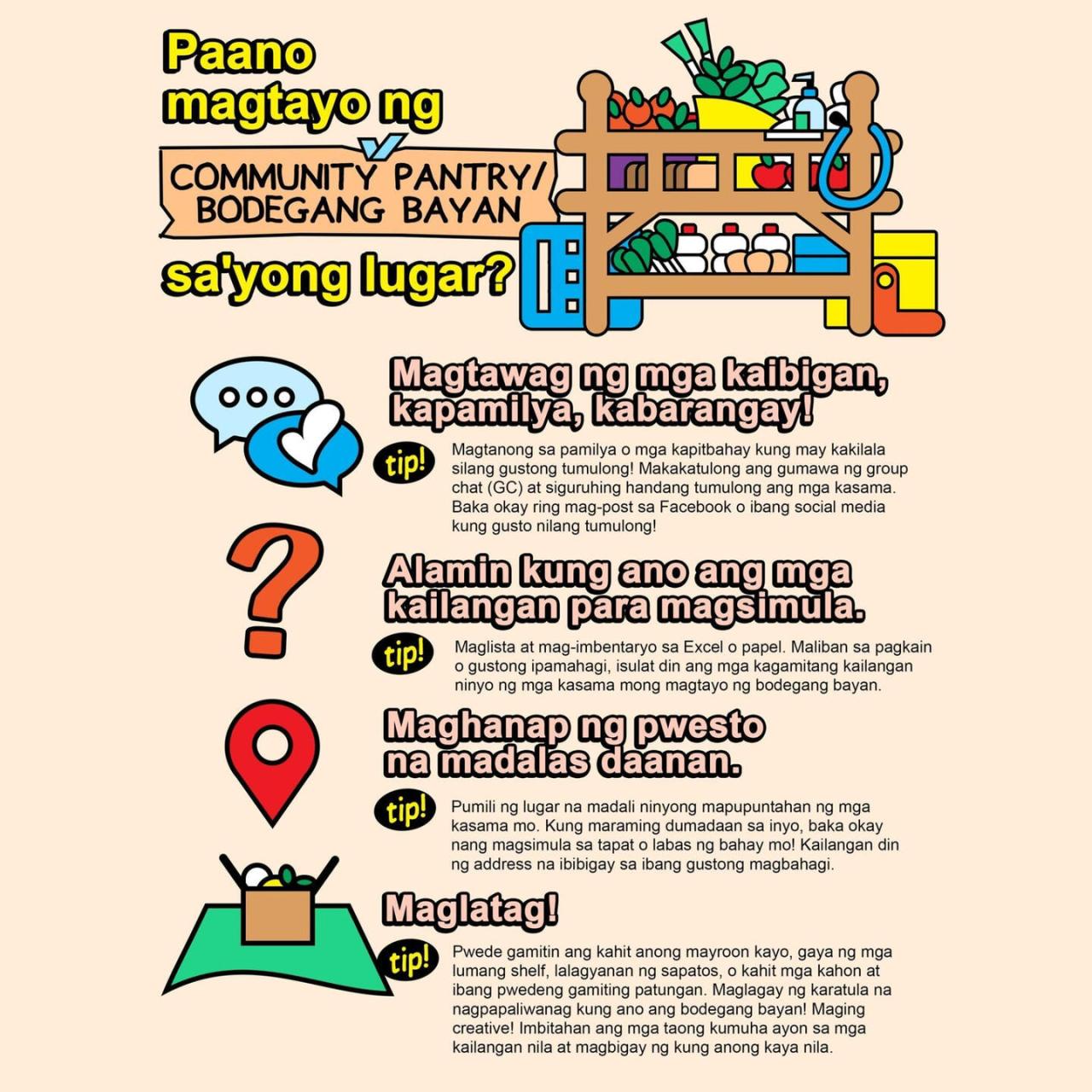
Establishing a community pantry requires a structured approach. First, identify a need within your community and assess available resources. This includes finding a suitable location, securing necessary permits, and forming a core team of organizers. Next, develop a clear operational plan, outlining procedures for receiving donations, managing inventory, and distributing food. Crucially, establish relationships with local businesses, organizations, and individuals who can provide consistent support in the form of food donations, volunteers, and financial resources. Registering the pantry as a non-profit organization can also provide access to grants and other funding opportunities. Finally, publicize the pantry’s launch through local media, community events, and social media to reach those who need assistance.
Volunteer Recruitment and Training in Community Pantry Management
Volunteers are the backbone of any successful community pantry. Recruitment strategies should leverage diverse channels, including local community centers, social media, and partnerships with schools and religious organizations. Training is vital to ensure volunteers understand their roles, from handling food safely to interacting respectfully with recipients. Training sessions should cover food safety protocols, inventory management techniques, and effective communication skills. Regular meetings and ongoing support are essential to maintain morale and address any challenges that arise. A well-trained volunteer team can significantly enhance the efficiency and effectiveness of the pantry’s operations.
Inventory Management and Food Distribution Methods
Effective inventory management is key to minimizing waste and ensuring a consistent supply of food. This involves using a system to track incoming donations, monitor stock levels, and identify items nearing expiration. First-in, first-out (FIFO) inventory management is a practical approach, ensuring older items are distributed first. Food distribution methods should be organized and respectful, minimizing wait times and ensuring equitable access for all recipients. Methods might include a pre-scheduled appointment system, a queuing system, or a combination of both, depending on the pantry’s size and community needs. Regular inventory checks and adjustments to ordering practices are crucial to meet the community’s demand efficiently. Clear signage and a designated area for distribution will streamline the process.
Community Pantry and Technology

Source: org.uk
Technology offers incredible opportunities to boost the effectiveness and reach of community pantries, moving beyond traditional methods to create a more efficient and impactful system. By embracing digital tools, pantries can better manage resources, connect with donors and recipients, and ultimately serve their communities more effectively.
Online Donation Platforms
Establishing a user-friendly online donation platform significantly expands a community pantry’s reach. This allows for convenient donations from individuals and organizations worldwide, bypassing geographical limitations. A well-designed platform could include options for one-time donations, recurring contributions, and even in-kind donations (specifying needed items). Features such as secure payment gateways and transparent donation tracking build trust and encourage repeat giving. For example, a platform similar to GoFundMe or PayPal Giving Fund could be adapted for a specific pantry, displaying real-time donation updates and the impact of contributions. This transparency reassures donors that their contributions are being used effectively.
Social Media for Outreach and Communication, Community pantry
Social media platforms are powerful tools for outreach and communication. Facebook, Instagram, and Twitter can be used to announce pantry openings, share updates on available resources, and promote volunteer opportunities. Regular posts with photos and videos showcasing the pantry’s work humanize the organization, building empathy and encouraging engagement. Furthermore, social media allows for direct interaction with the community, addressing questions, responding to feedback, and building relationships. Targeted advertising campaigns can also be used to reach specific demographics in need of assistance. For instance, a Facebook post showing volunteers sorting food alongside a caption detailing the pantry’s impact on local families would be far more engaging than a simple text announcement.
Data Analysis for Optimized Operations
Data analysis provides invaluable insights into community pantry operations. Tracking data such as the types and quantities of food received, the number of individuals served, and the demographics of beneficiaries helps identify trends and optimize resource allocation. For instance, analyzing donation data might reveal a consistent shortage of certain items, prompting adjustments in outreach efforts or partnerships with suppliers. Similarly, demographic data can inform the pantry’s outreach strategies, ensuring resources are distributed effectively to those most in need. This data-driven approach allows for continuous improvement and a more targeted, efficient response to community needs. For example, if data shows a significant increase in families with young children relying on the pantry, this could inform decisions about increasing the supply of baby food and diapers.
Simple Community Pantry Website Layout
A simple, effective website is crucial for transparency and accessibility. The homepage should include a brief introduction to the pantry’s mission, a prominent call to action (e.g., donate, volunteer), and contact information. A “About Us” section would detail the pantry’s history, goals, and team. A “News & Updates” section could share recent events, successes, and upcoming needs. A “Get Involved” section could provide information on volunteering, donating, or becoming a partner. Finally, a “Contact Us” section should offer multiple ways to reach the pantry (email, phone, physical address). This clear, concise layout ensures visitors can quickly find the information they need, promoting engagement and participation.
Visual Representation of a Community Pantry

Source: visitors. scot
Imagine a vibrant scene, bustling with activity yet radiating a sense of calm and community. This is the heart of a typical community pantry. It’s not a sterile, institutional space, but rather a place reflecting the spirit of shared resources and mutual support.
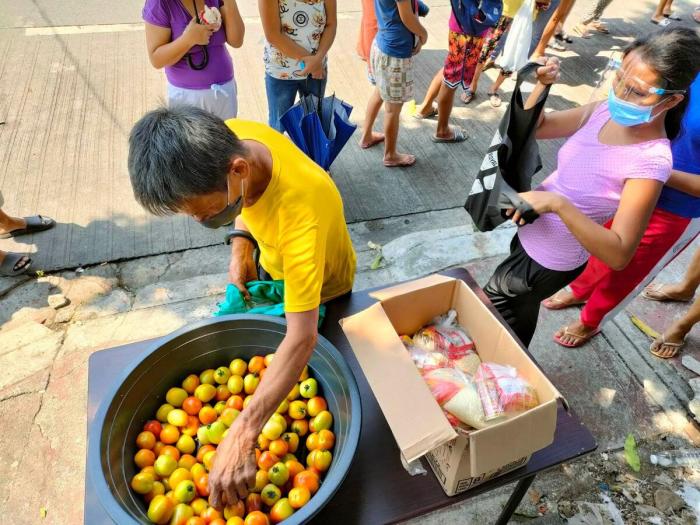
The physical layout is often simple and adaptable. It might be a repurposed garage, a brightly painted shed, or even a designated area within a community center. Tables are laden with fresh produce, neatly organized cans of food, and bags of rice and beans. Everything is clearly labeled and easily accessible. Brightly colored posters with nutritional information or community announcements often adorn the walls, adding a cheerful touch to the environment. A sense of order prevails, despite the constant flow of people coming and going. The atmosphere is one of quiet dignity and mutual respect; a feeling of hope and shared humanity permeates the air. Volunteers move with quiet efficiency, their faces reflecting genuine care and compassion. Recipients, a diverse mix of ages and backgrounds, interact with each other and the volunteers with quiet politeness. Children might be seen clutching their parents’ hands, their eyes wide with curiosity and gratitude. The overall visual impression is one of warmth, generosity, and shared purpose.
A Volunteer Interacting with a Recipient
A young woman, Maria, a volunteer with kind eyes and a gentle smile, approaches an elderly man, Mr. Rodriguez, who stands hesitantly by a table piled high with fresh vegetables. Maria’s posture is open and welcoming, her hands relaxed. She doesn’t rush him, but instead offers a warm greeting in Spanish, “Buenos días, señor. ¿Cómo está usted?” (Good morning, sir. How are you?). Mr. Rodriguez, initially hesitant, responds with a shy smile, his eyes crinkling at the corners. He thanks her for the opportunity and points to a head of lettuce and some tomatoes. Maria carefully places them in a reusable bag, her touch light and respectful. She engages him in a brief, friendly conversation, asking about his well-being, and showing genuine interest in his life, not just his needs. Mr. Rodriguez, visibly relieved and grateful, expresses his thanks, his voice thick with emotion. His eyes, initially clouded with worry, now sparkle with a newfound hope and a sense of dignity preserved. The brief exchange transcends a simple transaction; it’s a moment of human connection, a testament to the power of empathy and shared humanity at the heart of the community pantry. The scene is a powerful illustration of the pantry’s impact, extending beyond the provision of food to the fostering of genuine human connection and community spirit.
Last Word
Source: larawanatkape.net
From addressing food insecurity to strengthening community bonds, community pantries offer a tangible solution to a critical social issue. Their success relies on a combination of effective management, sustainable funding, and the unwavering dedication of volunteers and community members. By understanding the operational aspects, potential challenges, and innovative solutions, we can work together to ensure that these vital resources continue to thrive and provide crucial support to those in need. Let’s empower communities to build a more equitable and food-secure future, one pantry at a time.