People Center A Holistic Approach
People Center sets the stage for a compelling exploration of how prioritizing employees transforms organizations. We’ll delve into defining a people-centered approach, contrasting it with other management styles, and examining its tangible benefits. This isn’t just about happy employees; it’s about building a more productive, innovative, and sustainable workplace.
This guide will walk you through implementing people-centered practices, measuring their impact, and fostering the leadership styles needed to make it all work. We’ll look at real-world examples, address potential challenges, and even visualize the interconnectedness of a truly people-centric organization. Get ready to rethink your approach to workplace dynamics.
Defining “People-Centered”

Source: alliiance.com
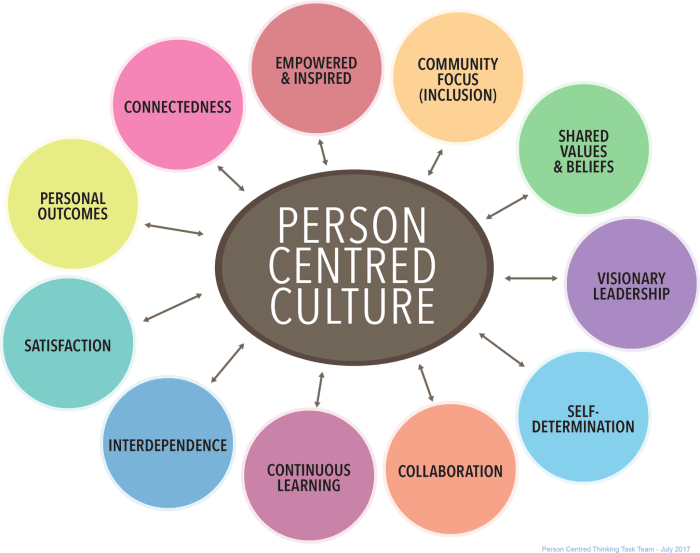
A people-centered approach prioritizes the well-being, development, and engagement of individuals within an organization. It’s a fundamental shift from traditional management styles, focusing on empowering employees and fostering a supportive, inclusive environment where everyone feels valued and respected. This approach recognizes that happy, engaged employees are more productive and contribute significantly to organizational success.
People-centered approaches differ significantly from other management philosophies, particularly task-centered and profit-centered approaches. While task-centered approaches emphasize efficiency and output above all else, and profit-centered approaches relentlessly pursue financial gains, people-centered approaches integrate employee well-being into the core strategy. It’s not a matter of choosing one over the other; rather, a people-centered approach seeks to find a balance where employee needs and organizational goals are mutually supportive.
Core Principles and Values of a People-Centered Approach
A people-centered approach is guided by several core principles. These include fostering open communication and transparency, actively listening to employee feedback, providing opportunities for growth and development, promoting work-life balance, and creating a culture of trust and respect. The underlying values emphasize empathy, fairness, and a genuine commitment to employee well-being. This translates into tangible actions like flexible work arrangements, regular performance feedback, and investment in employee training and development programs. For example, a company might implement a mentorship program to support career advancement or offer on-site childcare to ease the burden on working parents.
Differences Between People-Centered, Task-Centered, and Profit-Centered Approaches
The fundamental difference lies in the primary focus. A task-centered approach prioritizes completing tasks efficiently, often at the expense of employee well-being. A profit-centered approach prioritizes maximizing profits, sometimes overlooking the needs of employees. A people-centered approach, however, integrates employee well-being as a key driver of organizational success, recognizing that engaged and satisfied employees are more productive and contribute to higher profitability in the long run. For instance, a task-centered approach might focus solely on meeting production quotas, potentially leading to burnout and high turnover. A profit-centered approach might prioritize cost-cutting measures that negatively impact employee morale and productivity. In contrast, a people-centered approach would strive to find a balance between productivity, profitability, and employee well-being.
Benefits of a People-Centered Approach
Adopting a people-centered approach yields numerous benefits. Improved employee morale and engagement lead to increased productivity, reduced turnover, and enhanced creativity and innovation. A positive work environment fosters collaboration and teamwork, leading to improved efficiency and higher-quality output. Furthermore, a strong employer brand attracts and retains top talent, giving the organization a competitive edge in the marketplace. For example, companies with strong people-centered cultures often report lower absenteeism and higher customer satisfaction rates.
Comparison of Management Approaches
| Aspect | People-Centered | Task-Centered | Profit-Centered |
|---|---|---|---|
| Primary Focus | Employee well-being and engagement | Task completion and efficiency | Profit maximization |
| Decision-Making | Collaborative, inclusive | Top-down, directive | Driven by financial metrics |
| Employee Motivation | Intrinsic motivation, empowerment | Extrinsic motivation, rewards/punishments | Financial incentives, bonuses |
| Long-Term Outcomes | High employee retention, innovation, strong employer brand | High turnover, the potential for burnout, lower quality work | Short-term gains, potential for long-term instability |
Implementing People-Centered Practices
Source: typ-group.com
Putting people-centered principles into action requires a strategic and multifaceted approach. It’s not just about implementing a few new policies; it’s about fundamentally shifting the organizational culture to prioritize employee well-being and engagement. This involves a commitment from leadership, clear communication, and consistent action across all levels of the company.
Examples of Successful People-Centered Initiatives
Several organizations have successfully implemented people-centered initiatives, demonstrating tangible benefits. For example, Google’s emphasis on employee well-being, including on-site amenities like gyms and childcare, has contributed to high employee satisfaction and retention. Similarly, Patagonia’s commitment to environmental sustainability and fair labor practices resonates deeply with employees, fostering a strong sense of purpose and loyalty. In the healthcare sector, organizations that prioritize staff training, provide adequate resources and actively solicit feedback often experience improved patient care and reduced burnout among medical professionals. These examples showcase how investing in employees yields significant returns in terms of productivity, loyalty, and overall organizational success.
Fostering a Culture of Trust and Open Communication
Cultivating trust and open communication is crucial for a people-centered workplace. This can be achieved through transparent leadership, regular two-way communication channels (e.g., town hall meetings, employee surveys, suggestion boxes), and actively encouraging feedback at all levels. Creating a psychologically safe environment where employees feel comfortable expressing their opinions, concerns, and ideas without fear of retribution is paramount. This involves actively listening to employee feedback, acknowledging concerns, and demonstrating a commitment to acting upon them. Regular training for managers on active listening and conflict resolution skills can further enhance open communication and trust.
Gathering and Utilizing Employee Feedback
Effective feedback mechanisms are essential for understanding employee needs and improving processes. This could involve regular employee surveys, 360-degree feedback systems, focus groups, and informal feedback sessions. It’s vital to ensure that feedback collection processes are anonymous and confidential to encourage honest responses. Once gathered, feedback should be analyzed, and actionable steps should be taken to address concerns and implement improvements. Regular communication about how feedback is being used and the resulting changes demonstrates a commitment to employee voices and builds trust. Transparency in this process is key.
Prioritizing Employee Well-being
Organizations can prioritize employee well-being through various practical steps. This includes offering competitive compensation and benefits packages, providing opportunities for professional development and growth, promoting work-life balance through flexible work arrangements (e.g., remote work options, flexible hours), and creating a supportive and inclusive work environment. Implementing robust mental health programs, including access to employee assistance programs (EAPs) and mental health resources, is also crucial. Regular wellness initiatives, such as health screenings, mindfulness programs, and ergonomic assessments, can further support employee well-being and reduce stress. Furthermore, creating opportunities for social interaction and team building can foster a stronger sense of community and belonging within the organization.
Measuring the Impact of People-Centered Initiatives

Source: revisesociology.com
Successfully implementing people-centered strategies requires more than just good intentions; it demands a robust system for measuring their effectiveness. This allows organizations to understand what’s working, what needs adjustment, and ultimately, to demonstrate the return on investment (ROI) of their people-focused efforts. Without measurement, improvements remain anecdotal and the overall impact remains unclear.
Understanding the impact of people-centered initiatives involves identifying the right metrics, tracking progress effectively, and interpreting the data to inform future actions. This process helps to refine strategies, optimize resource allocation, and ultimately, build a more engaged and productive workforce.
Key Performance Indicators (KPIs) for People-Centered Strategies
Choosing the right KPIs is crucial. They should directly reflect the goals of your people-centered initiatives. For example, if a key goal is to improve employee well-being, metrics like employee satisfaction scores (measured through surveys), stress levels (potentially assessed through pulse surveys or health data, with appropriate anonymization and ethical considerations), and absenteeism rates can be valuable indicators. If the focus is on boosting productivity, KPIs could include project completion rates, sales figures per employee, or customer satisfaction scores (where employee performance directly impacts customer experience). A balanced scorecard approach, considering the financial, customer, internal process, and learning & growth perspectives, provides a holistic view.
Tracking and Reporting on Progress
A structured framework for tracking and reporting is essential. This typically involves establishing a baseline measurement before implementing any initiatives. Regular data collection (e.g., monthly or quarterly) allows for monitoring progress against established goals. Data visualization tools (like dashboards) can help to present trends and identify areas needing attention. Regular reporting to stakeholders, including senior management, ensures transparency and accountability. For instance, a simple report might show a comparison of employee satisfaction scores before and after the introduction of a flexible work policy, alongside a comparison of absenteeism rates during the same period. This provides a clear picture of the initiative’s impact.
Interpreting Data to Understand Impact
Data interpretation should go beyond simply observing changes in numbers. It involves analyzing trends, identifying correlations between different KPIs, and drawing meaningful conclusions about the impact of people-centered practices. For example, a significant increase in employee satisfaction scores coupled with a decrease in turnover rates suggests a positive impact. However, if employee satisfaction improves but productivity remains stagnant, it may indicate a need to refine the approach. Statistical analysis techniques can help to determine the significance of observed changes and rule out the influence of external factors. Qualitative data, such as feedback from employee focus groups or interviews, can provide valuable context and deeper insights into the numerical data.
Challenges in Measuring Long-Term Impact, People center
Measuring the long-term impact of people-centered approaches presents unique challenges. The effects of these initiatives often unfold gradually, making it difficult to isolate their impact from other factors influencing organizational performance. Attributing specific improvements to people-centered strategies requires careful analysis and consideration of confounding variables. Furthermore, measuring intangible benefits, such as improved employee morale or enhanced organizational culture, can be challenging. Longitudinal studies, tracking data over an extended period, are often necessary to capture the full impact of these initiatives. For example, the long-term effects of a comprehensive employee wellness program might only become fully apparent after several years, showing a sustained reduction in healthcare costs and improved employee retention.
People-Centered Leadership

Source: jonlieu.com
People-centered leadership prioritizes the well-being and growth of individuals within an organization. It moves beyond simply managing tasks and focuses on fostering a supportive and empowering environment where employees feel valued, respected, and motivated to contribute their best work. This approach recognizes that engaged and fulfilled employees are key drivers of organizational success.
Characteristics and Behaviors of Effective People-Centered Leaders
Effective people-centered leaders demonstrate a consistent set of characteristics and behaviors. They actively listen to their team members, understanding their perspectives and concerns. They provide regular and constructive feedback, focusing on both strengths and areas for improvement. These leaders delegate effectively, empowering their team to take ownership and develop their skills. They also foster open communication, creating a safe space for employees to share ideas and concerns without fear of retribution. Furthermore, they demonstrate empathy and understanding, recognizing that individuals have lives and circumstances beyond the workplace that can impact their performance. Finally, they celebrate successes and provide support during challenges, creating a culture of mutual respect and trust.
Comparison of Leadership Styles and Their Impact on Employee Engagement
Different leadership styles have varying impacts on employee engagement. A transactional leadership style, focused primarily on rewards and punishments, can lead to increased productivity in the short term but often results in lower employee morale and engagement in the long run. In contrast, a transformational leadership style, which focuses on inspiring and motivating employees toward a shared vision, tends to foster higher levels of engagement and commitment. Similarly, a servant leadership approach, prioritizing the needs of the team and empowering them to succeed, often cultivates a strong sense of loyalty and dedication. The most effective people-centered leaders often blend aspects of several styles, adapting their approach to the specific needs of their team and the situation. For example, a leader might use a transactional approach for specific tasks while employing a transformational style to set long-term goals and inspire the team.
Strategies for Developing People-Centered Leadership Skills
Developing people-centered leadership skills requires a multifaceted approach. Organizations can invest in leadership training programs that focus on emotional intelligence, active listening, and effective communication. Mentorship programs, pairing experienced leaders with those seeking to develop their skills, can provide valuable guidance and support. 360-degree feedback, where individuals receive feedback from multiple sources, including peers, subordinates, and supervisors, can provide valuable insights into leadership strengths and areas for improvement. Furthermore, encouraging leaders to actively seek out opportunities to delegate responsibility and empower their team members is crucial. Finally, creating a culture of continuous learning and development within the organization ensures that leadership skills are continually refined and enhanced.
Training Program for Building Empathy and Emotional Intelligence
A training program focused on building empathy and emotional intelligence among leaders could incorporate various methods. The program might begin with self-assessment tools to help leaders understand their emotional strengths and weaknesses. Workshops could then focus on active listening techniques, nonverbal communication cues, and the importance of perspective-taking. Role-playing exercises could simulate challenging interpersonal situations, allowing leaders to practice empathy and conflict-resolution skills. Finally, the program could incorporate coaching sessions to provide individualized support and guidance. The program’s success could be measured by pre-and post-training assessments of empathy and emotional intelligence, as well as through observations of improved leader-employee interactions and increased employee engagement scores.
Case Studies of People-Centered Organizations
Source: personcentredsk.ca
Understanding how people-centered principles translate into real-world success requires examining organizations that have effectively implemented them. This section delves into three diverse organizations renowned for their people-first approaches, analyzing their strategies and the resulting impact on their performance and sustainability.
Google’s Approach to Employee Well-being
Google is frequently cited as a company that prioritizes employee well-being, a cornerstone of its people-centered strategy. They invest heavily in employee perks and benefits, including on-site amenities like gyms, gourmet food options, and childcare facilities. Beyond these tangible benefits, Google fosters a culture of innovation and collaboration through flexible work arrangements, generous parental leave policies, and a strong emphasis on employee development and training. This commitment extends to creating a diverse and inclusive workplace, actively working to promote equity and belonging. These initiatives aren’t just about attracting talent; they are integral to fostering a productive and engaged workforce.
For example, Google’s emphasis on employee well-being has been linked to increased productivity and reduced employee turnover. The provision of on-site amenities reduces commute times and allows employees to better manage their work-life balance. The investment in employee development fosters a culture of continuous learning and growth, leading to higher employee satisfaction and retention.
- Key Takeaway 1: Investing in employee well-being is not just a cost; it’s a strategic investment that yields significant returns in terms of productivity, retention, and overall organizational success.
- Key Takeaway 2: A holistic approach, encompassing both tangible benefits and intangible cultural elements, is crucial for creating a truly people-centered environment.
- Key Takeaway 3: Prioritizing diversity and inclusion is not only ethically right but also contributes to a more innovative and productive workforce.
Patagonia’s Commitment to Environmental and Social Responsibility
Patagonia, an outdoor clothing company, exemplifies a people-centered approach deeply intertwined with environmental and social responsibility. Their commitment extends beyond their employees to encompass their supply chain, customers, and the environment. They actively promote fair labor practices throughout their supply chain, ensuring safe and ethical working conditions for all involved in the production of their products. Furthermore, they donate a significant portion of their profits to environmental causes and actively advocate for environmental protection. This holistic approach fosters a strong sense of purpose and shared values among employees, customers, and stakeholders.
Patagonia’s commitment to sustainability has resonated strongly with consumers, contributing to their brand loyalty and market success. Their transparent supply chain practices and commitment to fair labor have enhanced their reputation and built trust with their stakeholders. The strong sense of purpose fostered within the company has also led to high employee engagement and retention.
- Key Takeaway 1: A people-centered approach can extend beyond employees to encompass all stakeholders, including suppliers, customers, and the wider community.
- Key Takeaway 2: Integrating social and environmental responsibility into the core business model can create a powerful brand identity and enhance market competitiveness.
- Key Takeaway 3: A strong sense of shared purpose and values can significantly boost employee engagement and loyalty.
SAS Institute’s Focus on Employee Work-Life Balance
SAS Institute, a software company, is known for its exceptionally high employee retention rates, a direct result of its focus on employee well-being and work-life balance. They offer a comprehensive benefits package, including generous salaries, flexible work arrangements, and on-site amenities. Crucially, they actively promote a culture that values work-life integration, encouraging employees to prioritize their personal lives and maintain a healthy balance. This is achieved through flexible working hours, generous vacation time, and a strong emphasis on employee autonomy.
SAS Institute’s approach has resulted in significantly lower employee turnover and increased productivity. The high retention rate reduces recruitment costs and maintains institutional knowledge. The emphasis on work-life balance contributes to reduced stress and burnout, leading to a more engaged and productive workforce. This positive work environment has been a significant factor in their long-term success and sustainability.
- Key Takeaway 1: Prioritizing work-life balance is a powerful strategy for attracting and retaining top talent, reducing stress, and boosting productivity.
- Key Takeaway 2: Flexible work arrangements and generous benefits packages are key components of a people-centered approach that fosters employee well-being.
- Key Takeaway 3: A culture that values work-life integration is essential for creating a sustainable and thriving organizational environment.
Challenges and Considerations

Source: vcu.edu
Implementing a people-centered approach, while beneficial, isn’t without its hurdles. Organizations face various obstacles depending on their size, industry, and existing culture. Successfully navigating these challenges requires careful planning, strong leadership, and a commitment to continuous improvement. This section explores some key challenges and offers strategies for mitigating them.
Obstacles to Implementing a People-Centered Approach
Different organizational structures and cultures present unique barriers to adopting a people-centered approach. For example, hierarchical organizations might struggle with empowering employees and fostering collaboration, while smaller startups might face challenges in scaling people-centered practices as they grow. Resistance from management who are accustomed to traditional top-down models is another common obstacle. Furthermore, a lack of resources (time, budget, or skilled personnel) can hinder effective implementation. Finally, accurately measuring the impact of people-centered initiatives can be difficult, leading to a perceived lack of return on investment and impacting continued commitment.
Strategies for Overcoming Resistance to Change
Overcoming resistance to change is crucial for successful implementation. Open and transparent communication is key – explaining the “why” behind the shift to a people-centered approach and clearly articulating the benefits for both employees and the organization is vital. Involving employees in the design and implementation process fosters buy-in and ownership. Providing comprehensive training and support to equip employees with the necessary skills and knowledge is also essential. Celebrating early successes and showcasing positive results can build momentum and demonstrate the value of the new approach. Finally, leadership commitment and visible support are paramount in demonstrating the seriousness and importance of the change. A leadership team that actively embraces and models people-centered values is critical to overcoming resistance.
Ethical Considerations Related to Prioritizing Employee Well-being
Prioritizing employee well-being raises important ethical considerations. A genuine commitment to well-being must extend beyond superficial gestures; it requires a comprehensive approach that addresses work-life balance, mental health, diversity and inclusion, and fair compensation. Transparency and accountability are paramount – organizations must be clear about their commitments and be held accountable for their actions. Potential conflicts of interest need careful management, ensuring that employee well-being isn’t compromised for the sake of profit or productivity. Respecting employee privacy and data security is also crucial in any well-being initiative. For example, the use of employee data for wellness programs should be handled with extreme sensitivity and transparency.
Potential Risks Associated with a Poorly Implemented People-Centered Strategy
A poorly implemented people-centered strategy can lead to several negative outcomes. It’s important to carefully plan and execute any initiative to avoid these pitfalls.
- Decreased Productivity: If initiatives are poorly designed or not properly supported, they can lead to confusion and decreased efficiency, rather than improved productivity.
- Increased Employee Cynicism: Insincere or half-hearted attempts at implementing people-centered practices can breed cynicism and distrust among employees, potentially worsening morale.
- Higher Turnover: If employees feel their well-being is not genuinely prioritized, they may seek employment elsewhere, increasing turnover costs and impacting organizational knowledge.
- Financial Losses: Poorly planned initiatives can lead to wasted resources and a lack of demonstrable return on investment, leading to financial losses and jeopardizing future investments in employee well-being.
- Reputational Damage: A failure to genuinely prioritize employee well-being can severely damage an organization’s reputation, making it harder to attract and retain talent.
Visual Representation of People-Centered Concepts

Source: arvindsanjeev.com
Visual aids are crucial for understanding complex concepts like people-centered organizations. They help to clarify the interconnectedness of various elements and the flow of information, making the abstract more concrete and accessible. This section explores two visual representations that effectively illustrate key aspects of a people-centered approach.
A Diagram Illustrating Interconnectedness of People-Centered Elements
This diagram would take the form of a central hub with radiating spokes. The central hub represents the organization’s overall mission and values, explicitly focused on employee well-being and customer satisfaction. The spokes radiating outwards represent key people-centered elements. These could include: employee empowerment, open communication, a collaborative work environment, continuous learning and development, performance recognition, fair compensation, work-life balance initiatives, and customer feedback integration. Each spoke would be visually distinct, perhaps using different colors or icons to represent each element. Lines connecting the spokes to the central hub would visually represent how each element contributes to the overarching organizational goals. Furthermore, lines connecting the spokes would illustrate the interconnectedness of these elements. For example, a line between “employee empowerment” and “open communication” would highlight how empowerment fosters open dialogue. The overall visual effect would be one of dynamic interconnectedness, emphasizing the synergistic nature of a people-centered approach.
A Visual Representation Showing Information and Feedback Flow
This visual could be represented as a cyclical flow chart. The chart begins with “Employee Input,” which could be represented by a speech bubble or a person speaking. This input could flow through various channels: suggestion boxes, regular feedback sessions, employee surveys, or even informal conversations with managers. The flow then proceeds to “Leadership Action,” depicted as a decision-making icon or a person acting on information received. This action might involve implementing new policies, adjusting processes, or providing training. The next stage is “Implementation,” which could be represented by a gear turning or a process flowchart. Following implementation, “Results” are measured, potentially through key performance indicators (KPIs) or customer satisfaction scores. This data then feeds back into “Employee Input,” completing the cycle. The arrows connecting each stage would be clearly labeled to indicate the flow of information and feedback. The inclusion of different communication channels (e.g., emails, intranet, team meetings) along the arrows would further enhance the visual’s clarity. The circular nature of the diagram highlights the iterative and continuous improvement aspects of a people-centered approach, where feedback is constantly gathered and acted upon.
Final Summary: People Center
Source: hdilearning.org
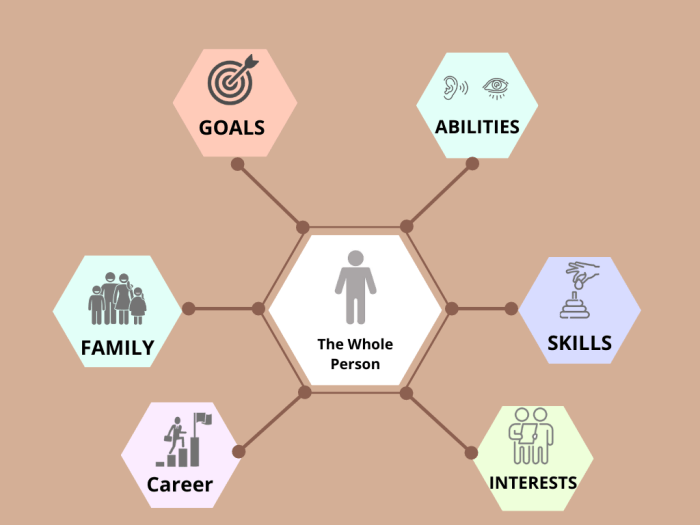
Ultimately, a people-centered approach isn’t a trend; it’s a fundamental shift in how we view work and its impact. By prioritizing employee well-being, fostering open communication, and measuring success beyond profit, organizations can unlock unprecedented levels of productivity, innovation, and employee retention. This journey requires commitment, adaptation, and a genuine belief in the power of putting people first. The rewards, however, are well worth the effort.