Transitional Living Programs A Guide
Transitional living programs offer a vital bridge for individuals navigating challenging life transitions. These programs provide a supportive environment and resources to help people gain independence and stability, focusing on housing, life skills, and employment assistance. They cater to diverse populations facing various obstacles, from homelessness and addiction recovery to leaving foster care or experiencing domestic violence. Understanding the intricacies of these programs is key to supporting those in need and building stronger communities.
This guide will explore the core principles, services offered, eligibility criteria, success measurement, and challenges faced by transitional living programs. We’ll delve into different program models, funding strategies, and the crucial ethical considerations involved in supporting vulnerable individuals on their path to self-sufficiency.
Defining Transitional Living Programs

Source: temporaryhousingdirectory.com
Transitional living programs (TLPs) provide temporary housing and support services to individuals transitioning out of homelessness, foster care, incarceration, or other challenging circumstances. They aim to help people gain the skills and stability needed to live independently and successfully. The core goal is to empower individuals to achieve self-sufficiency.
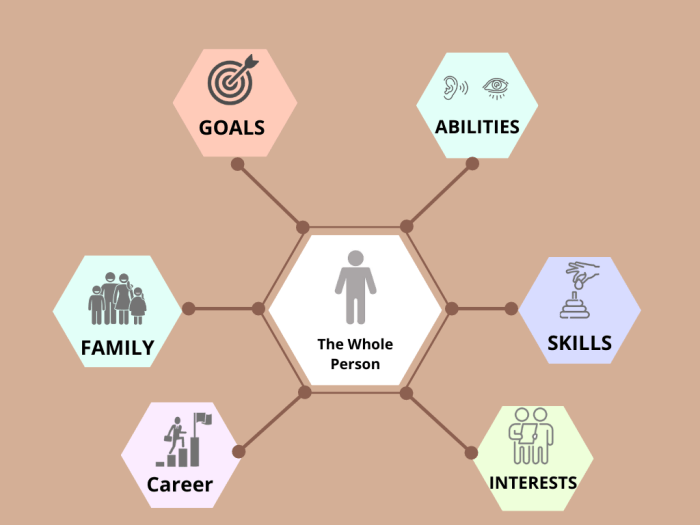
Transitional living programs operate on several core principles. First, they emphasize a person-centered approach, tailoring services to the individual’s unique needs and goals. Second, they provide a safe and supportive environment that fosters personal growth and development. Third, they offer a range of services designed to address the root causes of instability, such as substance abuse, mental health issues, and lack of job skills. Finally, TLPs encourage active participation and self-reliance, promoting a sense of ownership and responsibility in the individual’s journey toward independence.
Types of Transitional Living Programs
Various types of transitional living programs exist, each catering to specific needs and populations. Some programs focus solely on housing, providing a safe place to live while individuals work on other aspects of their lives. Others offer comprehensive support services, including case management, job training, life skills development, and substance abuse treatment. The level of support and the specific services offered can vary greatly depending on the program’s funding, resources, and target population.
Target Populations Served
Transitional living programs serve a diverse range of individuals facing various challenges. Common target populations include young adults aging out of foster care who lack the support systems necessary to transition to independent living; individuals experiencing homelessness, often struggling with mental health issues or substance abuse; returning citizens reintegrating into society after incarceration; and victims of domestic violence seeking safe and supportive housing. Many programs also serve individuals with disabilities or other special needs.
Comparison of Transitional Living Program Models
The following table compares different models of transitional living programs based on their target population, duration, and key services. The duration of programs varies widely, ranging from a few months to several years, depending on individual needs and program structure.
| Program Type | Target Population | Duration | Key Services |
|---|---|---|---|
| Housing-First Program | Chronically homeless individuals | Indeterminate, focusing on stability | Housing, case management, and support services as needed |
| Youth Transitional Living Program | Young adults aging out of foster care | 12-18 months | Housing, life skills training, job placement assistance, education support |
| Reentry Program | Returning citizens | 6-12 months | Housing, job training, substance abuse treatment, mental health services |
| Domestic Violence Shelter with Transitional Housing | Victims of domestic violence | Variable, depending on individual needs | Safe housing, counseling, legal assistance, support groups |
Services Offered in Transitional Living Programs

Source: palcorp.com
Transitional living programs offer a comprehensive range of services designed to help young adults successfully transition to independent living. These programs recognize that simply providing housing isn’t enough; lasting success requires support across multiple life domains. The services are tailored to individual needs and goals, aiming to equip participants with the skills and resources they need to thrive.
Housing Options
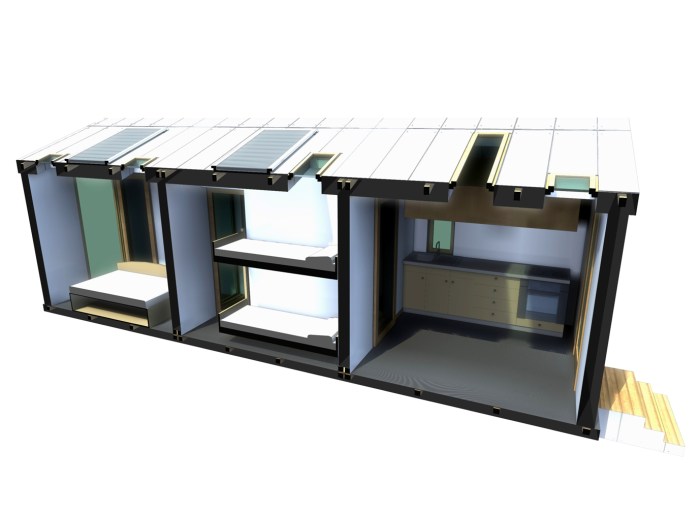
Transitional living programs typically provide safe and affordable housing options. These might include individual apartments or shared housing units, often within a supportive community setting. The goal is to provide a stable and secure base while participants work towards self-sufficiency. Some programs might also offer assistance with finding and securing permanent housing upon completion of the program. The specific housing arrangements vary depending on the program and the needs of the individual. For example, a program might offer a shared apartment for individuals just starting their journey, then transition them to a studio apartment as they gain more independence and financial stability.
Case Management and Support Services
Case management is a cornerstone of transitional living programs. A dedicated case manager works one-on-one with each participant, developing a personalized plan to address their unique challenges and goals. This includes regular check-ins, goal setting, and assistance with navigating resources and services. Support services often extend to connecting individuals with mental health professionals, substance abuse counselors, and other specialists as needed. The level of support provided is highly individualized, adjusting to the changing needs of the participant throughout the program. For instance, a participant struggling with anxiety might receive regular therapy sessions coordinated by their case manager.
Life Skills Training
Effective life skills training is crucial for successful independent living. Commonly offered programs include budgeting and financial management, healthy cooking and nutrition, household management (cleaning, maintenance, etc.), and conflict resolution. These programs often incorporate hands-on activities and real-world applications to ensure participants develop practical skills. A program might, for example, organize a field trip to a grocery store to teach participants about healthy food choices and budget-friendly meal planning.
Employment and Educational Support Services
Gaining employment and/or pursuing education are often key goals for participants. Programs provide support in job searching, resume building, interview skills, and vocational training. Educational support might include assistance with applying to colleges or vocational schools, securing financial aid, and academic tutoring. Many programs also offer internship opportunities or connections to potential employers, fostering a smooth transition into the workforce. For example, a program might partner with local businesses to provide participants with job shadowing opportunities or paid internships.
- Housing: Apartments, shared housing, assistance with securing permanent housing.
- Case Management: Individualized plans, goal setting, resource navigation, referrals to specialists.
- Life Skills Training: Budgeting, cooking, household management, conflict resolution.
- Employment & Educational Support: Job searching, resume building, interview skills, vocational training, educational applications, financial aid assistance, tutoring, and internship opportunities.
Eligibility Criteria and Admission Process

Source: workrestandstay.com
Getting into a transitional living program usually involves meeting specific requirements and going through an application process. The specifics vary between programs, but there are common threads. Understanding these criteria and the steps involved will help you navigate the process effectively.
Eligibility criteria often center around demonstrating a need for transitional housing and support services. This typically involves factors such as homelessness or risk of homelessness, age (often 18-24, but can vary), and a willingness to participate in the program’s structured environment. Specific requirements might also include things like being free from active substance abuse (though some programs specialize in helping individuals overcome addiction), and demonstrating a commitment to personal growth and self-sufficiency.
Typical Eligibility Criteria
Many transitional living programs require applicants to meet certain criteria before they are considered for admission. These criteria usually involve a combination of factors that assess the individual’s need for the program’s services and their ability to benefit from the support provided. For example, a common requirement is a history of homelessness or a demonstrated risk of becoming homeless shortly. Additionally, age limits are frequently applied, often targeting young adults, though the specific age range can differ considerably depending on the program’s focus. Many programs also require that applicants be willing and able to comply with program rules and regulations, which often include participation in case management, life skills training, and other support services. Finally, some programs may have additional requirements, such as a commitment to abstain from substance abuse or a demonstrated history of mental health challenges that the program is equipped to address.
The Application and Admission Process
The application process typically begins with an initial inquiry, often made via phone call or online form. This initial contact allows potential residents to learn more about the program and its requirements, and for program staff to gather preliminary information. This is followed by a formal application, which often requires providing personal information, details about housing history, employment status, and any relevant support systems. After the application is reviewed, potential residents are often invited for an interview with program staff. This interview allows for a more in-depth assessment of the applicant’s needs and their suitability for the program. Finally, an admission decision is made, and if accepted, the resident will begin the orientation process and move into the program’s housing.
Assessment Methods
Once an applicant is accepted into a transitional living program, an assessment is conducted to determine their specific needs and develop a personalized support plan. This assessment typically involves a comprehensive interview, gathering information about the individual’s background, challenges, and goals. Additionally, some programs may use standardized questionnaires or assessments to evaluate things like mental health, substance abuse risk, and life skills. The information gathered from these assessments is then used to create an individualized plan that Identifies the specific services and support the individual will receive during their stay in the program. This might include things like job training, counseling, financial literacy education, and assistance with securing permanent housing.
Variations in Admission Procedures
While many transitional living programs follow a similar process, there are variations depending on the program’s specific focus and resources. For example, programs serving individuals with substance abuse issues may require a period of detoxification or participation in a substance abuse treatment program before admission. Similarly, programs serving individuals with mental health challenges may require a mental health assessment and a treatment plan before accepting residents. The level of formality in the application process may also vary, with some programs having more extensive application materials and a more rigorous interview process than others. Some programs might also prioritize individuals from specific demographics or with specific needs, leading to variations in eligibility criteria and admission procedures.
Success Measurement and Outcomes

Source: itelinc.com
Measuring the effectiveness of a transitional living program is crucial for ensuring its continued success and for making data-driven improvements. A robust framework allows programs to track progress, identify areas needing attention, and ultimately, improve resident outcomes. This involves establishing clear goals, selecting appropriate Key Performance Indicators (KPIs), and consistently collecting and analyzing data.
A well-designed framework for measuring program effectiveness needs to encompass multiple aspects of resident progress and program impact. It’s not just about numbers; it’s about understanding the holistic impact on residents’ lives. This understanding helps to refine program services and resource allocation, maximizing positive outcomes.
Key Performance Indicators (KPIs) for Transitional Living Programs
Several key performance indicators provide a comprehensive view of a transitional living program’s effectiveness. These KPIs allow for objective assessment and comparison over time, revealing trends and informing strategic decisions.
- Housing Stability: Percentage of residents maintaining stable housing after program completion (e.g., 6 months, 1 year). This reflects the program’s success in equipping residents with the skills and resources to secure and maintain housing.
- Employment Rate: Percentage of residents employed after program completion, along with average wages earned. This measures the program’s ability to support residents in securing sustainable employment.
- Education/Training Completion: Percentage of residents completing educational or vocational training programs while in the program or afterward. This shows the program’s success in helping residents improve their skills and prospects.
- Substance Abuse Relapse Rate: Percentage of residents experiencing substance abuse relapse after program completion. This indicator helps assess the effectiveness of substance abuse treatment components within the program.
- Criminal Justice Re-entry Rate: For residents with a criminal history, the rate of re-offending after program completion. This measures the program’s impact on reducing recidivism.
- Client Satisfaction: Measured through surveys and feedback sessions, this provides valuable qualitative data on resident experiences and program strengths/weaknesses.
Data Used to Track Resident Progress and Outcomes
Data collection is fundamental to measuring program effectiveness. A variety of data sources can be utilized to paint a comprehensive picture of resident progress.
- Intake Assessments: Initial assessments provide baseline data on residents’ needs, challenges, and goals. This data allows for tracking progress against initial assessments.
- Progress Reports: Regular reports from case managers document residents’ participation in program activities, progress towards goals, and any challenges encountered.
- Attendance Records: Tracking attendance at program sessions, workshops, and appointments provides insight into resident engagement and commitment.
- Employment Verification: Verification of employment status through pay stubs or employer confirmation helps accurately assess employment outcomes.
- Housing Verification: Documentation of stable housing through lease agreements or landlord verification ensures accurate tracking of housing stability.
- Substance Abuse Testing Results: If applicable, regular drug testing results offer objective data on residents’ adherence to substance abuse treatment plans.
- Post-Program Follow-up Surveys: Surveys conducted after program completion gather information on long-term outcomes and resident satisfaction.
Data Analysis and Program Improvement
Analyzing collected data is crucial for identifying areas of strength and weakness within the program. This analysis informs strategic decision-making and program improvement.
For example, if the data reveals a high relapse rate among residents with specific substance use disorders, the program might need to review and enhance its substance abuse treatment components. Similarly, low employment rates might suggest a need for improved job skills training or job placement services. By analyzing data trends, programs can make targeted adjustments to better meet the needs of their residents and improve overall outcomes. Data analysis might reveal that residents who actively participate in group therapy sessions show significantly higher rates of housing stability. This insight would justify increased investment in group therapy and possibly lead to the development of new, similar support groups.
Challenges and Opportunities in Transitional Living

Source: inhabitat.com
Transitional living programs, while offering vital support, face numerous hurdles in their mission to help individuals rebuild their lives. Simultaneously, innovative approaches and strengthened community partnerships present significant opportunities for enhancing program effectiveness and expanding their reach. Understanding both the challenges and opportunities is crucial for ensuring the long-term success and sustainability of these programs.
Common Challenges Faced by Transitional Living Programs
Transitional living programs often grapple with a complex interplay of factors that impact their ability to effectively serve their clients. These challenges range from securing adequate funding and staffing to addressing the diverse and often complex needs of the individuals they support. Furthermore, maintaining program stability in the face of evolving social and economic landscapes adds another layer of complexity.
Opportunities for Improvement and Innovation
The field of transitional living is ripe for innovation. Technological advancements, such as telehealth platforms for mental health support and online job training resources, offer the potential to enhance service delivery and reach a wider population. Developing more individualized and trauma-informed approaches to care can lead to improved outcomes. Exploring alternative funding models, such as public-private partnerships and philanthropic initiatives, could address persistent funding shortages. For example, a program in Denver partnered with a local tech company to provide free digital literacy training, resulting in a significant increase in employment rates among participants.
The Role of Community Partnerships in Program Success
Strong community partnerships are essential for the success of transitional living programs. Collaborations with local businesses can provide job training opportunities and employment placement services. Relationships with healthcare providers ensure access to vital medical and mental health services. Partnerships with educational institutions can offer academic support and skill development programs. For instance, a program in Chicago partnered with a local university to offer free college courses to its residents, resulting in increased educational attainment and improved employment prospects. These partnerships broaden the scope of support offered and create a more comprehensive and effective system of care.
Successful Strategies for Overcoming Challenges
Several strategies have proven effective in addressing the challenges faced by transitional living programs. Data-driven program evaluation allows for the identification of areas needing improvement and the measurement of program effectiveness. Investing in staff training and professional development ensures that staff possess the skills and knowledge to effectively support clients with diverse needs. Developing strong relationships with referral sources ensures a consistent pipeline of clients needing services. A program in Seattle implemented a rigorous data collection system, identifying a gap in transportation assistance. Addressing this gap through partnerships with local transportation agencies resulted in a significant increase in client engagement and program completion rates.
Funding and Sustainability
Source: costinnita.ro
Transitional living programs, while crucial for supporting vulnerable individuals, often face significant challenges in securing consistent and adequate funding. The financial stability of these programs directly impacts their ability to provide essential services and ultimately, the success of the individuals they serve. Developing robust and sustainable funding models is therefore paramount to their long-term viability.
Funding for transitional living programs is multifaceted, relying on a diverse range of sources. Securing this funding requires a strategic and proactive approach, involving grant writing, fundraising initiatives, and cultivating strong relationships with potential donors and funding agencies.
Funding Sources for Transitional Living Programs
Several avenues exist for securing funding. These include government grants at the federal, state, and local levels; private foundations that focus on social services or housing assistance; corporate sponsorships; individual donations; and fundraising events. Government grants often require extensive applications and adherence to strict guidelines, while private foundations may have specific funding priorities. Corporate sponsorships can provide both financial and in-kind support (such as goods or services), and individual donations, even small ones, can collectively make a significant impact. Successful fundraising events, such as galas or charity runs, can generate substantial funds and raise awareness of the program’s mission.
Developing Sustainable Funding Models
A sustainable funding model is crucial for the long-term success of any transitional living program. It reduces reliance on short-term grants and ensures consistent financial resources to meet ongoing operational needs. Diversification of funding sources is key – relying solely on one source is risky. A well-structured model incorporates a blend of government funding, private donations, and earned income (e.g., from offering services to residents or community members). Additionally, robust budgeting, financial management, and regular evaluation of funding strategies are vital for ensuring fiscal responsibility and long-term sustainability.
Strategies for Securing Grants and Donations
Securing grants and donations requires a well-defined strategy. This includes developing a compelling narrative that highlights the program’s impact and demonstrates a clear understanding of the funder’s priorities. Strong grant proposals must showcase measurable goals and outcomes, detailed budgets, and a plan for program evaluation. Cultivating relationships with potential donors is crucial; this may involve networking, attending fundraising events, and actively communicating the program’s successes and needs. Building a strong online presence, including a user-friendly website and active social media engagement, can also significantly enhance fundraising efforts.
Visual Representation of Funding and Resource Allocation
Imagine a flowchart. At the top, we see multiple boxes representing various funding sources: Government Grants (Federal, State, Local), Private Foundations, Corporate Sponsorships, Individual Donations, and Fundraising Events. Arrows point from each box to a central “Program Funding Pool” box. From this pool, arrows branch out to different boxes representing program expenses: Staff Salaries, Rent/Mortgage, Utilities, Program Supplies, Resident Support Services (e.g., job training, counseling), and Administrative Costs. A final arrow leads from the “Program Funding Pool” to a “Reserve Fund” box, illustrating the importance of setting aside funds for unforeseen expenses or future growth. This visual demonstrates how diverse funding streams contribute to the overall financial health of the program and how resources are strategically allocated to support its various operational needs.
Legal and Ethical Considerations

Source: live-free.eu
Transitional living programs operate within a complex legal and ethical framework, requiring careful attention to resident rights, privacy, and confidentiality. Failure to adhere to these standards can lead to legal repercussions and damage the program’s reputation. Understanding these considerations is crucial for ensuring ethical and responsible service delivery.
Resident Privacy and Confidentiality
Maintaining resident privacy and confidentiality is paramount. This involves protecting sensitive personal information, including medical records, financial details, and personal history, from unauthorized access or disclosure. Programs must implement robust security measures, such as secure file storage, password-protected electronic systems, and staff training on data protection protocols. Compliance with relevant privacy laws, such as HIPAA in the United States, is essential. Disclosure of information should only occur with the resident’s informed consent or when legally mandated, such as in cases of suspected abuse or neglect. For example, staff should use secure communication methods, avoid discussing resident details in public areas, and ensure all records are properly secured.
Informed Consent and Resident Rights
Informed consent is a cornerstone of ethical practice. Residents must be fully informed about program policies, procedures, and their rights before participating. This includes understanding the program’s goals, expectations, and potential risks. Residents must be empowered to make informed decisions about their care and treatment. Key resident rights include the right to refuse services, the right to privacy, the right to be treated with respect and dignity, and the right to access their records. Programs should provide residents with a clear and concise statement of their rights and ensure they understand these rights. For example, a well-designed program would provide residents with a handbook outlining their rights and responsibilities, and staff would be trained to actively support resident autonomy.
Best Practices for Ethical Program Operation, Transitional Living Program
Several best practices contribute to ethical program operation. These include establishing clear ethical guidelines and policies, providing regular staff training on ethical considerations and legal requirements, implementing a system for reporting and addressing ethical concerns, and establishing mechanisms for resident feedback and grievance resolution. Regular audits and reviews of program policies and practices are also essential. For instance, an effective program would have a clearly defined process for handling complaints and ensuring that residents have access to an impartial process for addressing their concerns. Transparency and accountability are crucial for maintaining ethical standards and building trust with residents. A commitment to ongoing professional development for staff ensures that the program remains current with best practices and relevant legal changes.
Final Conclusion

Source: wsimg.com
Transitional living programs are essential components of a robust social safety net. By providing comprehensive support and tailored services, these programs empower individuals to overcome adversity, achieve their goals, and contribute meaningfully to society. While challenges remain in funding and resource allocation, the positive impact on residents’ lives and the ongoing innovation within the field offer a hopeful outlook for the future. Continued community support and collaborative efforts are vital to ensure the continued success and expansion of these vital programs.