Service Learning Engaging Communities Through Education
Service learning—it’s more than just volunteering; it’s a powerful blend of education and community engagement. Think of it as learning by doing, where students tackle real-world challenges while simultaneously deepening their academic understanding. This approach isn’t just about racking up service hours; it’s about fostering critical thinking, developing essential skills, and cultivating a sense of civic responsibility. We’ll explore how service-learning benefits students, communities, and educators alike, examining effective project design and addressing potential challenges.
This exploration will cover everything from defining service learning and its historical context to designing impactful projects and considering the ethical dimensions involved. We’ll delve into the practical aspects of implementation, including creating learning objectives and evaluating project success. We’ll also look at successful examples and future trends, showcasing the transformative power of service learning to address societal issues.
Defining Service Learning
Source: coachingforleaders.com
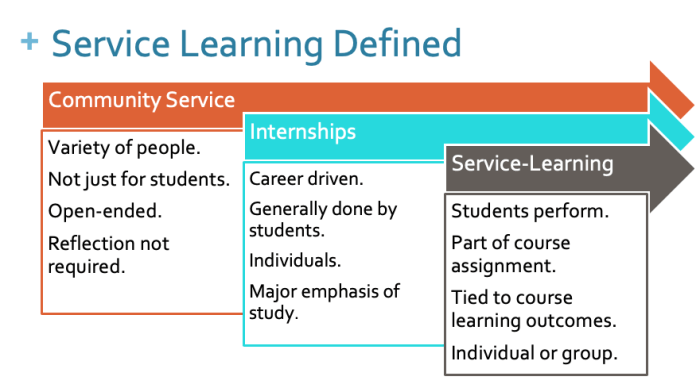
Service learning is a teaching and learning strategy that integrates meaningful community service with instruction and reflection to enrich the learning experience, teach civic responsibility, and strengthen communities. It’s more than just volunteering; it’s a structured, intentional process designed to achieve specific learning objectives while addressing community needs.
Service learning differs from traditional volunteerism and community service primarily in its intentional connection to academic learning. While volunteering focuses on contributing time and effort to a cause, and community service broadly encompasses acts of benefitting the community, service learning adds a crucial layer: the integration of the service experience into the curriculum. This integration allows students to connect their classroom learning to real-world issues, deepen their understanding of course concepts, and develop valuable skills.
The Historical Development of Service Learning Methodologies
The roots of service learning can be traced back to the progressive education movement of the early 20th century, which emphasized experiential learning and civic engagement. However, its formalization as a pedagogical approach emerged more recently. Early examples included programs integrating community service with religious education. The 1980s and 1990s saw significant growth in service learning, fueled by increasing societal awareness of social issues and a desire for more relevant and engaging educational experiences. This period witnessed the development of frameworks and best practices, leading to widespread adoption in various educational settings, from K-12 schools to universities. The expansion of service-learning programs continues today, driven by a growing recognition of its benefits for both students and communities.
Key Characteristics of Effective Service Learning Projects
Effective service learning projects are characterized by several key features. Firstly, they are carefully planned and integrated into the curriculum, ensuring alignment between service activities and learning objectives. The service itself is meaningful and addresses a genuine community need, rather than being a superficial or tokenistic activity. Students are actively involved in the planning and implementation of the project, fostering a sense of ownership and responsibility. Regular reflection is crucial, providing opportunities for students to analyze their experiences, connect them to course content and develop critical thinking skills. Finally, there is a mechanism for assessing the impact of the project, both on the community and on student learning. This assessment may involve gathering quantitative data (e.g., number of hours served, community impact) or qualitative data (e.g., student reflections, community feedback). A well-structured service learning project, therefore, goes beyond simply doing good; it fosters deep learning, civic responsibility, and lasting positive change.
Benefits of Service Learning for Participants
Source: edu.hk
Service learning offers a wealth of benefits for everyone involved – students, community partners, and educators alike. It’s not just about volunteering; it’s about creating a meaningful connection between classroom learning and real-world action, leading to significant personal and societal growth. This section will explore the advantages service learning provides to each of these key groups.
Enhancing Academic Understanding Through Service Learning
Service learning often strengthens academic understanding by providing a practical application for theoretical knowledge. For example, a student learning about environmental science might participate in a river cleanup project, directly applying their knowledge of ecology and pollution control. Similarly, a history student researching local civil rights movements could volunteer at a historical society, gaining firsthand experience and a deeper understanding of the subject matter than could be achieved through textbook study alone. This hands-on approach makes learning more engaging and memorable, fostering a deeper comprehension and retention of information. The experience itself becomes a powerful learning tool, enriching the classroom curriculum and strengthening academic skills.
Developing Civic Responsibility and Social Justice Awareness
Service learning cultivates a strong sense of civic responsibility and social justice awareness. By engaging in projects addressing community needs, students develop empathy and understanding of diverse perspectives and challenges. Participating in a food bank, for instance, might expose a student to the realities of food insecurity in their community, fostering a greater appreciation for social justice issues and inspiring them to become more actively involved in addressing them. The experience directly translates classroom discussions of social justice into tangible action, transforming theoretical knowledge into meaningful engagement and personal commitment to positive change. This direct involvement promotes a sense of agency and empowers students to become active participants in creating a more equitable and just society.
Personal Growth and Skill Development Through Service Learning
Service learning experiences provide opportunities for significant personal growth and skill development. Students gain valuable skills such as teamwork, communication, problem-solving, and leadership. Working collaboratively on a community project requires students to negotiate roles, share responsibilities, and resolve conflicts effectively. Presenting their project’s outcomes to the community develops their public speaking and presentation skills. Moreover, the experience builds self-confidence, resilience, and a sense of accomplishment. Overcoming challenges and contributing to a meaningful cause fosters a sense of purpose and self-efficacy, shaping their personal development in profound ways.
Comparative Benefits of Service Learning
| Benefit Category | Students | Community Partners | Educators |
|---|---|---|---|
| Enhanced Learning | Deeper understanding of academic concepts through practical application; improved critical thinking and problem-solving skills. | Access to skilled volunteers who can assist with projects and initiatives; fresh perspectives and ideas. | Opportunities to integrate real-world experiences into the curriculum; enhanced teaching methods and student engagement. |
| Skill Development | Improved teamwork, communication, leadership, and organizational skills; increased self-confidence and resilience. | Completion of projects and initiatives that would otherwise be difficult or impossible to accomplish; increased community capacity. | Improved teaching practice; opportunities for professional development and collaboration with community organizations. |
| Civic Engagement | Increased civic responsibility, social justice awareness, and community involvement; development of empathy and understanding for diverse perspectives. | Support for community needs and initiatives; increased community participation and engagement. | Opportunities to foster civic responsibility and social justice awareness in students; development of community partnerships. |
| Personal Growth | Increased self-esteem, sense of purpose, and personal fulfillment; development of valuable life skills. | Strengthened community relationships; improved community image and reputation. | Greater job satisfaction; opportunities for professional growth and recognition. |
Designing Effective Service Learning Projects
Source: amazonaws.com
Creating a successful service-learning project requires careful planning and execution. It’s about thoughtfully integrating meaningful community service with valuable learning experiences for participants. A well-designed project benefits both the community and the learners, fostering a sense of civic responsibility and developing crucial skills.
Effective service-learning projects are not simply about doing good; they’re about doing good *and* learning something significant in the process. The key is to establish a strong connection between the service activity and the learning objectives, ensuring that the experience is both impactful and educational.
Essential Steps in Planning and Implementing a Successful Service Learning Project
Planning a service-learning project involves a series of interconnected steps that ensure a smooth and productive experience. Ignoring any of these steps can significantly reduce the project’s effectiveness. A well-defined plan minimizes unforeseen problems and maximizes the impact on both the community and the learners.
- Needs Assessment: Identify a community need that aligns with the learners’ skills and interests. This could involve researching local organizations, interviewing community leaders, or surveying residents.
- Project Design: Develop a project plan outlining the service activity, learning objectives, timelines, and evaluation methods. This plan should clearly define the roles and responsibilities of all participants.
- Partnership Development: Establish a strong partnership with a community organization to ensure the project aligns with their needs and resources. Collaboration is key to a successful project.
- Implementation: Carry out the service activity, providing regular supervision and support to the participants. Document the process and collect data for evaluation.
- Reflection and Evaluation: Facilitate reflection activities to help participants process their experiences and connect their service to their learning objectives. Evaluate the project’s effectiveness based on pre-determined criteria.
Creating Learning Objectives Aligned with Community Needs
The learning objectives should be clearly defined and directly related to the service activity. They should also be measurable and achievable within the timeframe of the project. This ensures that the learning component is as impactful as the service itself.
- Identify Community Needs: Begin by thoroughly researching the community’s needs. This could involve contacting local organizations, conducting surveys, or interviewing community members.
- Define Learning Outcomes: Based on the identified community need, define specific, measurable, achievable, relevant, and time-bound (SMART) learning objectives. For example, if the community needs help with tutoring, a learning objective could be “Participants will improve their communication and patience skills while tutoring students.”
- Connect Service and Learning: Design the service activity in a way that directly addresses the community’s needs and allows participants to achieve the defined learning objectives. For instance, the tutoring activity allows participants to practice communication and patience, directly aligning with the learning objective.
- Develop Assessment Strategies: Create methods to assess whether the learning objectives have been met. This could include self-reflection journals, peer evaluations, or instructor assessments.
Rubric for Evaluating the Effectiveness of a Service Learning Project
A rubric provides a structured framework for evaluating both the service and learning components of the project. This ensures a comprehensive assessment of the overall impact and effectiveness. Using a rubric allows for consistent and fair evaluation across all participants.
| Criteria | Excellent (4 points) | Good (3 points) | Fair (2 points) | Poor (1 point) |
|---|---|---|---|---|
| Service Impact | Significant positive impact on the community; exceeded expectations. | Positive impact on the community; met expectations. | Limited impact on the community; partially met expectations. | Minimal or no impact on the community; failed to meet expectations. |
| Learning Outcomes | All learning objectives were met and exceeded; significant growth was demonstrated. | Most learning objectives were met; noticeable growth was demonstrated. | Some learning objectives were met; limited growth was demonstrated. | Few or no learning objectives were met; minimal growth was demonstrated. |
| Reflection and Self-Assessment | Thorough and insightful reflection; demonstrated significant self-awareness and growth. | Adequate reflection; demonstrated some self-awareness and growth. | Superficial reflection; limited self-awareness and growth. | Minimal or no reflection; no evidence of self-awareness or growth. |
| Collaboration and Teamwork | Excellent collaboration and teamwork; actively contributed to the team’s success. | Good collaboration and teamwork; contributed effectively to the team’s success. | Fair collaboration and teamwork; contribute to the team’s success. | Poor collaboration and teamwork; minimal contribution to the team’s success. |
Challenges and Considerations in Service Learning
Source: wordpress.com
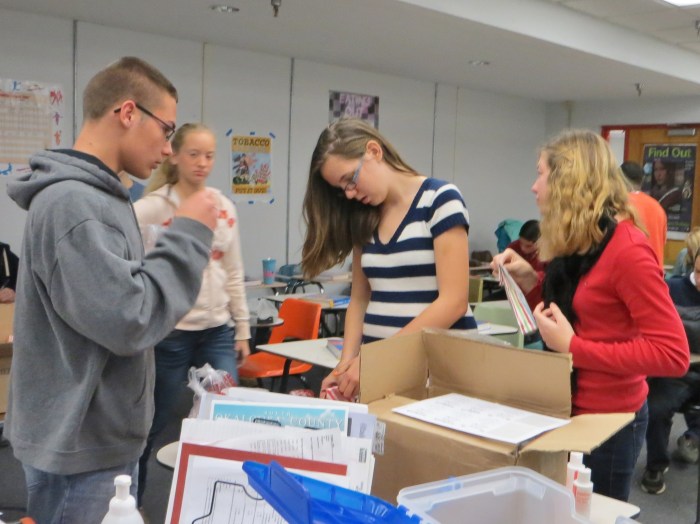
Service learning, while incredibly beneficial, isn’t without its hurdles. Successfully implementing and maintaining effective service-learning programs requires careful planning and a proactive approach to addressing potential problems. Ignoring these challenges can lead to ineffective projects, negative experiences for participants, and even unintended harm to the communities being served.
Ethical Dilemmas in Service Learning Initiatives
Ethical dilemmas can arise in various ways within service-learning projects. For example, ensuring informed consent from community members, especially vulnerable populations, is crucial. Another common issue is the potential for exploitation, where the community’s needs are secondary to the learning objectives of the participants. Maintaining the confidentiality of sensitive information gathered during the project is also paramount. Projects might unintentionally perpetuate stereotypes or reinforce existing power imbalances if not carefully designed and implemented. Finally, the distribution of resources and benefits needs to be equitable and fair to all involved.
Power Dynamics and Cultural Sensitivity in Service Learning
Addressing power imbalances and promoting cultural sensitivity are essential for ethical and effective service learning. A top-down approach, where students dictate solutions to community problems without meaningful collaboration, often exacerbates existing power imbalances. Alternatively, a participatory approach prioritizes collaboration and shared decision-making. This approach values the expertise and lived experiences of community members, empowering them to actively shape the project’s direction and outcomes. Cultural sensitivity involves understanding and respecting the diverse cultural contexts within which service learning projects are implemented. This includes being aware of language barriers, differing communication styles, and potential cultural misunderstandings that might arise. A culturally sensitive approach requires careful research and consultation with community members to ensure that the project is respectful and relevant to their needs and values.
Overcoming Logistical Challenges and Ensuring Program Sustainability
Logistical challenges in service learning can include securing appropriate partnerships with community organizations, obtaining necessary funding and resources, and managing participant recruitment and training. Effective strategies for overcoming these challenges involve building strong relationships with community partners, developing detailed project plans with clear timelines and responsibilities, and securing diverse funding streams. Ensuring the sustainability of service-learning programs often requires integrating them into the curriculum, building institutional support, and creating a culture of continuous improvement. Regular evaluation and feedback mechanisms are vital to assess the program’s effectiveness and identify areas for improvement. Developing a strong alumni network can also contribute to long-term sustainability by providing ongoing support and engagement. For example, a university might establish a service-learning endowment to ensure consistent funding, while a school could develop a mentorship program connecting past and present participants.
Examples of Successful Service Learning Initiatives
Source: jumpfoundation.org
Service learning thrives on impactful projects that genuinely connect classroom learning with community needs. The following examples showcase the diverse ways service learning can be implemented effectively across different educational levels and community contexts. Each project demonstrates the powerful synergy between service and learning, enriching the experiences of both students and the communities they serve.
Effective service learning projects are characterized by a clear articulation of goals, well-defined methods, and measurable outcomes. The projects below illustrate this, highlighting the key elements necessary for successful implementation and showcasing the positive impact on all stakeholders.
Elementary School Garden Project
This project involved a third-grade class in a low-income urban area. The students’ learning focused on botany, ecology, and nutrition. Their service component centered on creating and maintaining a school garden and providing fresh produce for the school cafeteria and local food bank.
- Goals: To enhance students’ understanding of plant life cycles, ecological principles, and healthy eating habits; to provide fresh produce to the school and community; to develop teamwork and responsibility.
- Methods: Students learned about gardening techniques through classroom lessons and hands-on activities. They planned and planted the garden, maintained it throughout the growing season, and harvested the produce. They also learned about food security and the importance of community support.
- Outcomes: The students demonstrated improved knowledge of botany and ecology. They developed a sense of accomplishment and responsibility. The garden provided a valuable source of fresh produce for the school and the local food bank, addressing a community need. The project fostered a stronger sense of community within the school.
High School Environmental Cleanup
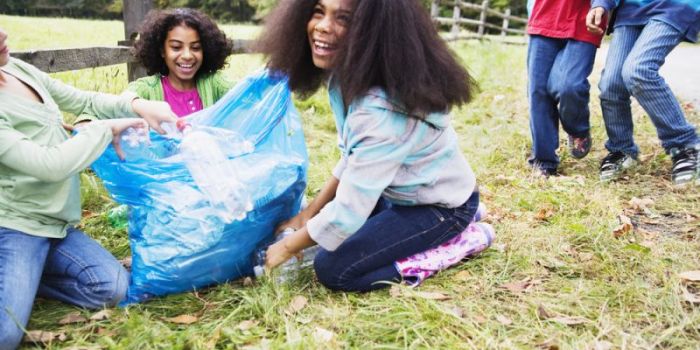
A high school environmental science class partnered with a local park to address pollution issues. This project integrated scientific principles with practical action, providing a tangible experience of environmental stewardship.
- Goals: To improve the environmental health of a local park; to enhance students’ understanding of environmental science principles; to develop leadership and teamwork skills; to raise community awareness about environmental issues.
- Methods: Students conducted water quality testing, surveyed the park for litter and pollution, and developed a cleanup plan. They organized a community cleanup event, involving other students, teachers, and community members. They also created educational materials to raise awareness about pollution and its impact.
- Outcomes: The park’s environmental health significantly improved. Students gained practical experience in environmental science and data analysis. They developed leadership and teamwork skills through organizing the cleanup event. The community awareness campaign led to increased participation in future environmental initiatives.
University Literacy Tutoring Program
University students majoring in education partnered with an after-school program to provide literacy tutoring to elementary school students. This project combined the students’ academic knowledge with a real-world application, impacting the lives of younger learners.
- Goals: To improve the literacy skills of elementary school students; to provide university students with practical experience in education; to develop the university students’ teaching and mentoring skills; to foster cross-generational connections.
- Methods: University students received training in effective tutoring techniques. They worked one-on-one with elementary school students, developing individualized learning plans and using engaging teaching methods. They reflected on their experiences and discussed their progress in regular meetings.
- Outcomes: Elementary school students showed significant improvement in their reading and writing skills. University students gained valuable experience in education and developed their teaching and mentoring skills. The program fostered strong relationships between university students and the elementary school community.
| Project | Key Aspects |
|---|---|
| Elementary School Garden Project | Goals: Education, community food access; Methods: Classroom learning, hands-on gardening; Outcomes: Improved knowledge, community benefit |
| High School Environmental Cleanup | Goals: Environmental restoration, community engagement; Methods: Scientific research, community event; Outcomes: Improved park health, skill development |
| University Literacy Tutoring Program | Goals: Literacy improvement, teacher training; Methods: One-on-one tutoring, reflective practice; Outcomes: Improved student skills, enhanced teaching experience |
The Future of Service Learning
Source: my.id
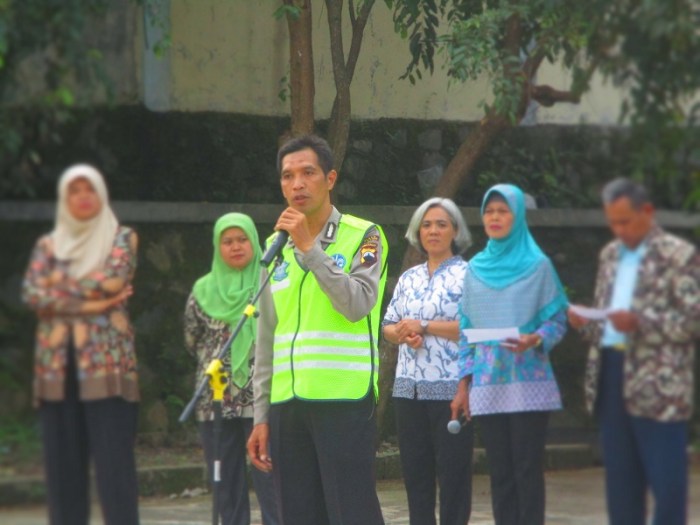
Service learning, already a powerful tool for education and community engagement, is poised for significant evolution. Emerging trends and technological advancements are shaping its future, promising an even greater impact on both learners and the communities they serve. The integration of technology and a focus on addressing pressing societal issues will define the next chapter of service learning.
Technological advancements are revolutionizing how service-learning projects are designed, implemented, and evaluated. This integration allows for broader reach, increased efficiency, and deeper engagement.
Emerging Trends and Innovations in Service Learning Practices
Several key trends are shaping the future of service learning. A growing emphasis on addressing global challenges, such as climate change and social justice issues, is driving projects with a broader scope and longer-term impact. There’s also a shift towards more participatory approaches, where community members are actively involved in designing and implementing projects, ensuring relevance and sustainability. Furthermore, the integration of reflection and critical analysis throughout the service-learning experience is becoming increasingly important, fostering deeper learning and personal growth. For example, projects focusing on sustainable agriculture incorporate community feedback throughout the process, leading to more effective and culturally appropriate solutions. Similarly, initiatives tackling digital literacy in underserved communities are employing co-design principles, ensuring that the solutions created directly meet the community’s needs.
The Role of Technology in Enhancing Service Learning Experiences
Technology plays a crucial role in enhancing service learning. Online platforms facilitate collaboration among diverse participants, regardless of geographical location. For instance, students in different countries can collaborate on a project addressing global poverty through online communication tools and shared project management software. Digital tools also allow for data collection and analysis, leading to a more robust evaluation of project impact. Mobile apps can facilitate real-time communication and data collection during service activities, improving efficiency and providing valuable insights. Furthermore, virtual reality and augmented reality technologies offer immersive learning experiences, allowing students to simulate real-world scenarios and develop empathy for the communities they serve. Imagine students using VR to experience the challenges faced by individuals experiencing homelessness, fostering deeper understanding and motivation for service.
A Vision for the Future of Service Learning: Addressing Societal Challenges
The future of service learning holds immense potential for addressing pressing societal challenges. By integrating technology, promoting participatory approaches, and focusing on global issues, service learning can become a powerful force for positive change. For example, service-learning projects can leverage AI-powered tools to analyze large datasets related to environmental issues, informing the development of more effective solutions. Similarly, virtual collaboration tools can connect students with experts and organizations working on the front lines of various social issues, broadening their understanding and providing valuable mentorship opportunities. A vision for the future sees service learning as an integral part of education, equipping students with the skills and knowledge to become engaged and responsible citizens capable of tackling complex societal challenges. This involves fostering a culture of collaboration, critical thinking, and social responsibility, ensuring that service learning is not just a course requirement but a transformative experience that shapes individuals and communities for the better.
Visual Representation of Service Learning Impact

Source: edu.sg
A compelling infographic can powerfully communicate the multifaceted impact of service learning. This visual should go beyond simply listing benefits; it should showcase the interconnectedness of these impacts on both individual participants and the wider community. Think of a dynamic, visually engaging representation that captures the energy and positive change generated.
The infographic would utilize a circular design, symbolizing the cyclical nature of service learning – individuals contribute, gain, and then contribute further. The central circle, a vibrant teal, represents the core service learning project itself. From this central circle, radiating outwards like sunbeams, are several larger segments, each representing a key impact area. These segments would be differentiated by color and subtly textured to maintain visual interest.
Individual Growth and Development
This segment, a warm, sunny yellow, would depict the personal growth experienced by participants. A bar graph, using a clean sans-serif font like Open Sans, would illustrate increases in skills like teamwork, communication, problem-solving, and critical thinking. Specific data points, perhaps showing average percentage increases based on research studies, could be included. Icons representing these skills (a collaborative group, a speech bubble, a lightbulb, a brain) would be interspersed within the bar graph. A short, impactful quote from a past participant about their transformation could be included.
Community Impact
This segment, a calming, earthy green, would highlight the positive changes in the community resulting from the service project. A combination of icons (e.g., a tree for environmental projects, a book for literacy initiatives, a house for habitat restoration) and data visualizations would be employed. For instance, a pie chart could show the percentage of a community problem addressed by the project. Specific numbers, such as the number of people helped or the amount of waste reduced, should be prominently displayed in a clear, easily readable font.
Enhanced Civic Engagement
This segment, a confident, bold blue, would showcase the increased civic engagement resulting from the service learning experience. A timeline, showing the progression of participant involvement in community activities before and after the project, would be visually striking. This could include participation in local events, increased voter turnout, or other forms of civic action. The use of photos of participants engaged in these activities would add a personal touch.
Increased Empathy and Understanding
This segment, a soft, compassionate purple, would visually represent the development of empathy and understanding among participants. A network graph could show the connections and relationships formed between participants and community members during the project. The thicker the lines connecting individuals, the stronger the relationship. Short, descriptive captions could highlight the shared experiences that fostered empathy.
Improved Academic Performance
This segment, a bright, energetic orange, would show a correlation between service learning and improved academic performance. A scatter plot could illustrate the relationship between hours of service and academic grades, demonstrating a positive correlation. The use of a clear, legible font would make this data readily understandable. This segment could also include testimonials from educators about the positive impact on student learning.
Summary
Source: tobijohnson.com
Ultimately, service learning offers a dynamic approach to education, enriching both the learning experience and the communities served. By thoughtfully designing and implementing projects, we can maximize the benefits for all involved, fostering a deeper understanding of civic responsibility and empowering students to become active agents of positive change. The key lies in careful planning, thoughtful reflection, and a commitment to creating mutually beneficial partnerships between schools and communities. Let’s work together to build a future where service learning becomes a cornerstone of impactful education.