Foster Grandparent Program A Helping Hands Approach
Foster Grandparent Program: Imagine a world where seasoned wisdom and youthful energy intertwine, creating a powerful force for good. This program pairs caring senior volunteers with children needing extra support, fostering growth and connection in countless ways. It’s a win-win, benefiting the children who receive invaluable mentorship and the grandparents who find renewed purpose and joy in giving back to their communities. This program offers a unique blend of intergenerational support, enriching the lives of both participants.
The Foster Grandparent Program is a nationwide initiative that connects older adults with children facing various challenges. These dedicated volunteers provide mentorship, guidance, and emotional support in various settings, including schools, daycare centers, and hospitals. The program aims to improve children’s academic performance, social-emotional well-being, and overall development while simultaneously combatting social isolation and promoting a sense of purpose among senior citizens. Through dedicated training and ongoing support, the program ensures that foster grandparents are equipped to make a positive and lasting impact on the lives of the children they serve.
Program Overview
Source: edwardkinghouse.org
The Foster Grandparent Program is a nationwide initiative offering valuable opportunities for seniors to share their wisdom and experience with children facing challenges. It’s a win-win: children gain crucial support, and seniors find purpose and social engagement. This program has a rich history, evolving to meet the ever-changing needs of vulnerable children and the senior community.
Program History and Mission
The Foster Grandparent Program’s roots trace back to the 1960s, emerging from a desire to leverage the skills and compassion of older adults to benefit children. Its mission centers on providing intergenerational mentoring and support to children with exceptional needs, fostering their development and well-being. The program is designed to create meaningful relationships between generations, building a stronger community while simultaneously enriching the lives of both the children and the senior volunteers. Over the decades, the program has expanded its reach and adapted its services to better serve the evolving needs of communities across the nation.
Eligibility Requirements
Participation in the Foster Grandparent Program requires meeting specific criteria for both the foster grandparents and the children they serve.
Foster Grandparent Eligibility typically includes: being at least 55 years old, meeting low-income guidelines, possessing a compassionate nature and willingness to commit to a regular schedule, and passing a background check. Specific requirements may vary by location.
Children eligible for the program often have developmental delays, emotional or behavioral challenges, or are from low-income families. They may be in a variety of settings such as schools, hospitals, or daycare centers. Again, specific criteria may be adjusted based on the local needs and available resources.
Roles and Responsibilities of Foster Grandparents
Foster grandparents play a crucial role in the lives of the children they mentor. Their responsibilities are varied and tailored to the individual needs of each child and the setting. Common roles include providing one-on-one tutoring and mentoring, assisting with classroom activities, offering emotional support, and engaging in recreational activities. They might read to children, help them with homework, or simply provide a listening ear and a comforting presence. Their contributions extend beyond academic support; they provide a sense of stability, belonging, and unconditional love.
Program Settings
The Foster Grandparent Program operates in diverse settings designed to best meet the needs of the children. Common locations include elementary and middle schools, preschools and daycare centers, hospitals, and Head Start programs. The program’s flexibility allows it to adapt to various environments, ensuring that children in diverse situations can benefit from the support of a foster grandparent.
Comparison to Similar Programs
| Program | Focus | Eligibility (Senior) | Eligibility (Child/Recipient) |
|---|---|---|---|
| Foster Grandparent Program | Mentoring children with exceptional needs | 55+, low-income, background check | Developmental delays, emotional/behavioral challenges, low-income |
| Senior Companion Program | Providing companionship and support to frail elderly | 55+, low-income, background check | Frail elderly individuals |
| RSVP (Retired and Senior Volunteer Program) | Broad range of volunteer opportunities | 55+ | Varies greatly depending on the project |
| Retired Senior Volunteer Program (RSVP) | Diverse volunteer opportunities | 55+ (often flexible) | Varies widely depending on project needs. |
Impact on Children: Foster Grandparent Program
Source: candgnews.com
The Foster Grandparent Program significantly benefits children in various ways, fostering their emotional, academic, and social growth. The consistent presence and loving support provided by Foster Grandparents create a nurturing environment conducive to positive development, leading to measurable improvements across multiple areas of a child’s life.
The program’s positive influence extends beyond simple companionship; it provides a tangible impact on children’s overall well-being, contributing to their readiness for future success.
Emotional Development
Foster Grandparents offer children unconditional love, acceptance, and consistent attention, often filling gaps in emotional support. This consistent, caring relationship helps children develop a stronger sense of self-worth, improved self-esteem, and increased emotional resilience. Children learn to trust and form healthy attachments, vital for their emotional health and future relationships. The reduced stress and increased feelings of security translate into better emotional regulation and a decrease in behavioral problems.
Academic Performance
The program’s positive impact on children’s academic performance is evident in several ways. Foster Grandparents provide individualized attention, assisting with homework, tutor in specific subjects, and encourage a love of learning. This one-on-one support can lead to improved grades, increased reading comprehension, and enhanced problem-solving skills. The consistent support and encouragement offered create a more positive learning environment, motivating children to achieve their academic potential. Furthermore, the increased self-confidence gained through the program often translates into improved classroom participation and overall academic engagement.
Social and Behavioral Well-being
The Foster Grandparent Program contributes to children’s social and behavioral well-being by fostering positive social interactions and promoting prosocial behaviors. Foster Grandparents serve as positive role models, teaching children appropriate social skills, conflict resolution strategies, and empathy. The nurturing relationship helps children develop healthy social skills and improve their ability to interact positively with peers and adults. This, in turn, can lead to reduced instances of disruptive behavior and improved classroom conduct. The program also helps children develop a stronger sense of belonging and connection to their community.
Measurable Outcomes
Studies have shown measurable improvements in children participating in Foster Grandparent Programs. For example, research indicates a significant increase in children’s reading levels and improved test scores in math and language arts. Furthermore, observations show a reduction in behavioral issues, such as aggression and defiance, and an increase in positive social interactions among participating children. These quantifiable outcomes demonstrate the program’s effectiveness in promoting positive child development.
Case Study: Liam and Mrs. Gable
Liam, a shy and withdrawn eight-year-old, struggled academically and socially. He lacked confidence and often avoided interacting with his peers. When Mrs. Gable, a Foster Grandparent, began working with him, she noticed his reluctance to participate in classroom activities and his low self-esteem. Through consistent encouragement, one-on-one tutoring, and engaging activities, Mrs. Gable helped Liam build his confidence. She patiently worked with him on his reading skills, celebrating his small victories. Over time, Liam’s grades improved, his social skills developed, and he became more outgoing and confident. He began participating more actively in class and formed friendships with his classmates. Liam’s transformation exemplifies the powerful impact a Foster Grandparent can have on a child’s life.
Impact on Foster Grandparents
Source: cdn-website.com
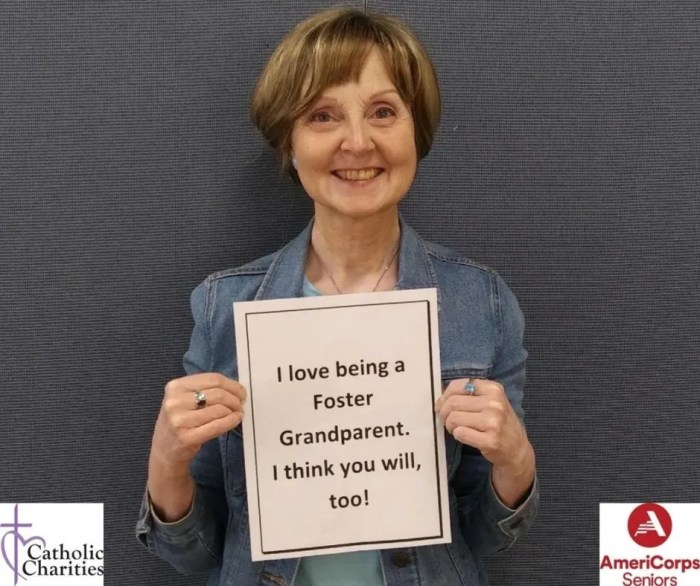
Becoming a Foster Grandparent offers a wealth of benefits that extend far beyond simply helping children. It’s a rewarding experience that significantly improves the well-being of the senior volunteers themselves, enriching their lives in numerous ways. This section explores the positive impact the program has on the physical, mental, and social lives of our dedicated Foster Grandparents.
Physical and Mental Health Benefits, Foster grandparent program
Participation in the Foster Grandparent program demonstrably improves both physical and mental health. The gentle physical activity involved in interacting with children, reading to them, or assisting with classroom activities helps maintain mobility and dexterity. The program also fosters a sense of purpose and accomplishment, which combats depression and anxiety often associated with aging. Studies have shown that individuals with a strong sense of purpose tend to have lower rates of cognitive decline and improved cardiovascular health. For example, many Foster Grandparents report increased energy levels and improved sleep patterns after joining the program. The structured routine and social interaction also contribute to better overall health management.
Enhanced Social Connections and Sense of Purpose
The Foster Grandparent program actively combats social isolation, a significant issue among older adults. By providing opportunities to interact regularly with children, staff, and other volunteers, the program fosters strong social bonds. The shared experience of caring for and nurturing children creates a powerful sense of community. Many Foster Grandparents describe the program as a second family, providing a supportive network and a feeling of belonging. This increased social interaction reduces feelings of loneliness and isolation, contributing to improved mental well-being and a higher quality of life. For instance, several participants have reported forming lasting friendships with fellow Foster Grandparents and program staff.
Skill Development and Personal Growth Opportunities
The program isn’t just about giving back; it’s also about personal growth. Foster Grandparents often develop or enhance existing skills in areas such as patience, communication, and conflict resolution through their interactions with children. They also gain valuable experience in working with diverse populations and navigating different learning styles. The program often provides training opportunities in areas like child development and early childhood education, further enhancing their skills and boosting their confidence. This continuous learning keeps their minds sharp and active, contributing to cognitive stimulation and personal enrichment. Many Foster Grandparents cite the program as a catalyst for exploring new interests and expanding their horizons.
Combating Social Isolation
Social isolation is a major concern for many older adults, often leading to depression, anxiety, and even physical health problems. The Foster Grandparent program directly addresses this by providing a structured environment for social interaction. Regular contact with children, staff, and other volunteers helps foster a sense of belonging and connection. The program also offers opportunities for social gatherings and events, further strengthening the bonds within the Foster Grandparent community. This combats feelings of loneliness and isolation, significantly improving the overall mental and emotional well-being of participants. For example, many Foster Grandparents have reported that the program has helped them overcome feelings of loneliness and isolation that they experienced before joining.
Testimonials from Foster Grandparents
We asked several Foster Grandparents to share their experiences. Their responses highlight the transformative impact of the program on their lives.
- “This program has given me a new lease on life. I wasn’t sure what to expect, but the children have brought so much joy into my days. I feel younger and more energetic than I have in years!” – Martha S.
- “I used to feel so isolated after my husband passed. This program has given me a sense of purpose and belonging. I’ve made wonderful friends, and the children are a constant source of love and laughter.” – John B.
- “I’ve learned so much from the children, and I hope I’ve taught them a few things too. It’s a truly rewarding experience, and I feel so grateful to be a part of it.” – Eleanor P.
Program Structure and Funding
Source: ncoinc.org
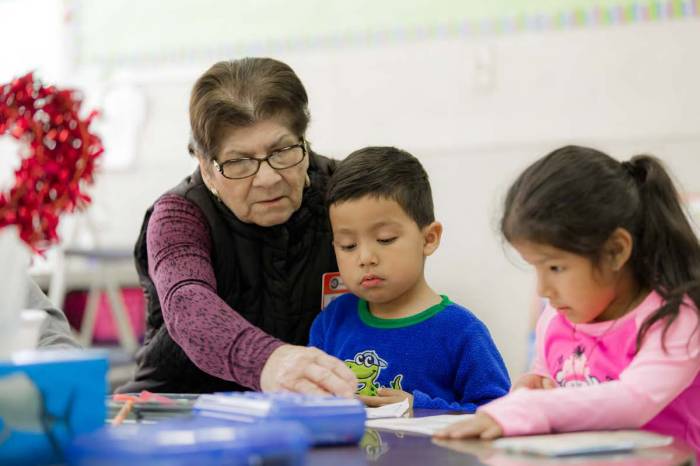
The Foster Grandparent Program relies on a structured approach to recruitment, training, and support to ensure its effectiveness. Funding is crucial to maintaining this structure and providing valuable services to both the foster grandparents and the children they mentor.
Becoming a Foster Grandparent
The process of becoming a Foster Grandparent begins with an application. Applicants typically need to be at least 55 years old and meet specific health requirements. The application process involves completing a form, providing references, and undergoing a background check. Following acceptance, new Foster Grandparents participate in a comprehensive training program covering child development, mentoring techniques, and program policies. This training equips them with the necessary skills and knowledge to effectively support children in need.
Support and Supervision for Foster Grandparents
Foster Grandparents receive ongoing support and supervision throughout their involvement in the program. This support includes regular meetings with program staff, opportunities for professional development, and access to resources such as workshops and training materials. The level of supervision varies depending on individual needs and experience, but all Foster Grandparents have a designated supervisor who provides guidance and addresses any concerns. This consistent support fosters a sense of community and ensures the well-being of both the Foster Grandparents and the children they serve.
Funding Sources for the Foster Grandparent Program
The Foster Grandparent Program receives funding from a variety of sources at the local, state, and national levels. At the national level, the Corporation for National and Community Service (CNCS) provides significant funding. State governments often contribute matching funds, and local sponsors, such as schools, non-profit organizations, and community groups, may provide additional support for specific program needs, such as transportation or supplies. These diverse funding streams ensure the program’s financial stability and sustainability.
Program Budget Allocation
A typical Foster Grandparent Program budget is allocated across several key areas. A significant portion is dedicated to personnel costs, including salaries for program staff, supervisors, and administrative personnel. Another substantial portion covers training materials, supplies, and other operational expenses. Funds are also allocated for transportation costs for Foster Grandparents, background checks, and insurance. A smaller portion might be dedicated to program evaluation and development. The exact breakdown varies depending on the size and specific needs of each program. For example, a program serving a large urban area might allocate more funds for transportation compared to a smaller rural program.
Program Administrative Structure
The following flowchart illustrates the administrative structure and decision-making processes within a typical Foster Grandparent Program.
[Diagram description: A simple flowchart would show a hierarchical structure. At the top would be a Program Director, branching down to Supervisor(s) who oversee individual Foster Grandparents. Each branch would also connect to an advisory board or committee, representing community stakeholders and offering input. Arrows indicate the flow of communication and reporting. Decisions regarding program policies, budget allocation, and Foster Grandparent recruitment would generally flow from the top down, with input from the advisory board or committee influencing those decisions. This structure ensures accountability and collaboration.]
Challenges and Future Directions
Source: hawaii.gov
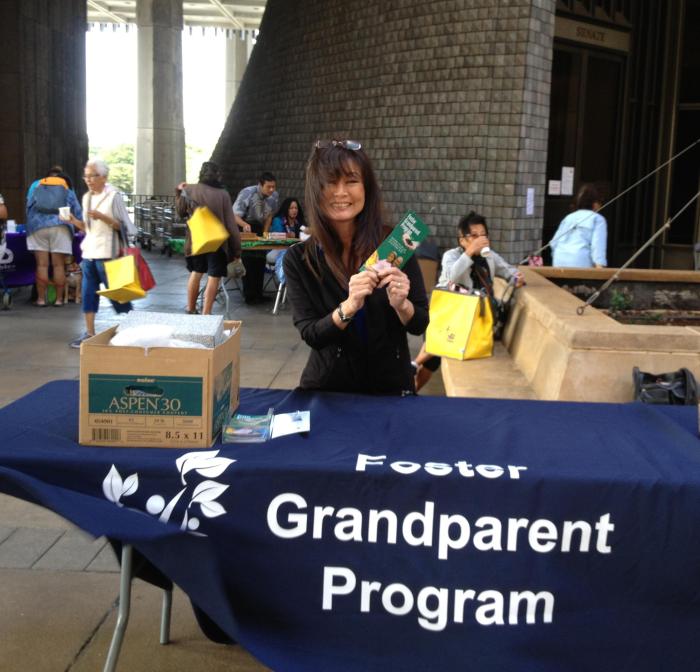
The Foster Grandparent Program, while profoundly impactful, faces ongoing challenges that require proactive strategies for sustained success. Addressing these hurdles is crucial to ensuring the program’s continued ability to support both children and the dedicated grandparent volunteers. This section will explore key challenges related to recruitment, retention, and funding, along with innovative solutions and future expansion possibilities.
Recruitment Challenges and Strategies
Recruiting qualified and enthusiastic Foster Grandparents can be difficult. Competition with other volunteer opportunities, changing demographics, and the time commitment required are all factors. To improve recruitment, the program could leverage social media campaigns targeting specific age groups, partner with senior centers and retirement communities for outreach, and highlight the program’s rewarding aspects through compelling testimonials from current volunteers. Streamlining the application process and offering flexible scheduling options could also significantly boost participation. For instance, a successful campaign in a rural community involved partnering with local churches and community centers to spread awareness and directly address logistical concerns, resulting in a 20% increase in applications within six months.
Retention Strategies for Foster Grandparents
Maintaining volunteer engagement is paramount. Burnout, health concerns, and lack of sufficient support can lead to attrition. To improve retention, programs should prioritize regular training sessions focused on stress management and effective communication techniques. Offering opportunities for professional development, such as workshops on child development or conflict resolution, can enhance volunteer satisfaction and job fulfillment. Creating a strong sense of community among volunteers through social events and regular check-ins is also essential. One example of a successful retention strategy involved implementing a peer mentoring program, pairing experienced volunteers with newer ones, fostering a supportive environment, and reducing feelings of isolation. This led to a 15% reduction in volunteer turnover within a year.
Funding Challenges and Diversification
Securing adequate and sustainable funding is a constant challenge for many non-profit organizations, including the Foster Grandparent Program. Government funding cuts and competition for limited resources necessitate creative approaches to funding diversification. Exploring alternative funding sources such as corporate sponsorships, private foundations, and community fundraising events is crucial. Developing compelling grant proposals that highlight the program’s impact and ROI can increase the likelihood of securing external funding. One successful example is a program that successfully partnered with a local corporation, which provided both financial support and volunteer recruitment assistance, resulting in a 30% increase in overall program funding.
Program Expansion and Adaptation
The Foster Grandparent Program can expand its reach and impact by adapting to evolving community needs. This might include expanding services to underserved populations, such as children with disabilities or those experiencing homelessness. Integrating technology into the program, such as using telehealth for remote mentoring or developing online training modules, could increase accessibility and flexibility. Collaborating with other community organizations to create integrated service delivery models can also enhance program effectiveness. For example, a program in an urban area partnered with local schools and healthcare providers to offer a holistic support system for children and families, demonstrating a successful model for integrated service delivery.
Increasing Diversity and Inclusivity
Promoting diversity and inclusivity within the Foster Grandparent Program is essential for ensuring equitable access to services. This requires actively recruiting volunteers from diverse backgrounds and providing culturally sensitive training to ensure that the program is responsive to the needs of children from various cultural and linguistic backgrounds. Implementing strategies to address potential barriers to participation, such as language access or transportation challenges, is crucial for building a truly inclusive program. One example of a successful diversity initiative involved partnering with community organizations serving specific ethnic groups, leading to a significant increase in the diversity of the volunteer base within two years.
Illustrative Examples
Source: myconnectsuite.com
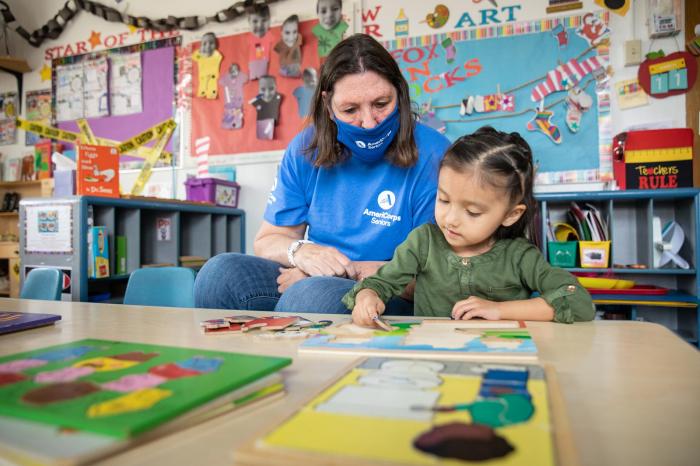
This section provides concrete examples to illustrate the daily realities of the Foster Grandparent program, showcasing the relationships formed and the activities undertaken. We’ll look at a typical day, a successful mentoring relationship, and a detailed visual description of a program activity.
A Typical Day in the Life of a Foster Grandparent
Let’s imagine Mrs. Eleanor Vance, a vibrant 72-year-old Foster Grandparent. Her day begins at 8:00 AM, arriving at the Sunny Meadows Elementary School. She greets the children with warm smiles and hugs, settling into her designated classroom, a kindergarten class brimming with eager five and six-year-olds. Her morning is dedicated to one-on-one reading sessions. She patiently works with children who struggle with phonics, using engaging picture books and playful techniques. She might spend fifteen minutes with one child, helping them sound out words, then move on to another, offering encouragement and building their confidence. After the reading session, she helps the teacher with classroom preparation, perhaps organizing craft supplies or assisting with a small group activity. Lunchtime sees her engaging in conversation with the children, encouraging polite table manners, and fostering a sense of community. The afternoon might involve helping children with their art projects, assisting with a science experiment, or simply providing a listening ear to a child who needs a comforting presence. Before leaving at 3:00 PM, she spends a few minutes chatting with the teacher, sharing observations about the children’s progress and any concerns. Her day is filled with gentle guidance, unwavering support, and the simple joy of connecting with young minds.
A Successful Foster Grandparent-Child Relationship
Consider the relationship between Mrs. Vance and eight-year-old Michael, a shy and withdrawn child who struggled with social interaction and academic confidence. Initially, Michael was hesitant to engage with Mrs. Vance. However, through consistent patience and gentle encouragement, Mrs. Vance slowly built a bond with him. She discovered his love for dinosaurs, and they began spending time together reading paleontology books. This shared interest became a foundation for their connection. Mrs. Vance didn’t just help Michael with his reading; she actively listened to his stories, validated his feelings, and celebrated his small victories. As their bond deepened, Michael’s confidence blossomed. He began participating more actively in class, his reading skills improved dramatically, and he started interacting more positively with his peers. For Mrs. Vance, the experience was equally rewarding. The joy of witnessing Michael’s growth and development filled her with a deep sense of purpose and fulfillment. This mutual growth and support highlight the transformative power of the Foster Grandparent program.
A Reading Session Activity
Imagine a cozy corner of the classroom, bathed in soft sunlight. A large, colorful rug is spread on the floor, surrounded by comfortable cushions. Seven children, aged five to seven, are seated in a semi-circle around Mrs. Vance. She holds a captivating picture book, its pages filled with vibrant illustrations of animals in a jungle setting. Mrs. Vance’s voice is warm and engaging as she reads aloud, pausing to ask questions and encourage the children to participate. She points to the pictures, highlighting details and prompting the children to describe what they see. She uses different voices for the characters, adding a theatrical element to the storytelling. The children are completely engrossed, their eyes wide with wonder and excitement. Occasionally, a child might chime in with a comment or ask a question, and Mrs. Vance patiently answers, encouraging their active participation. The atmosphere is one of shared joy, learning, and connection, a testament to the power of reading and the positive impact of a caring adult.
Closure
Source: ncoinc.org
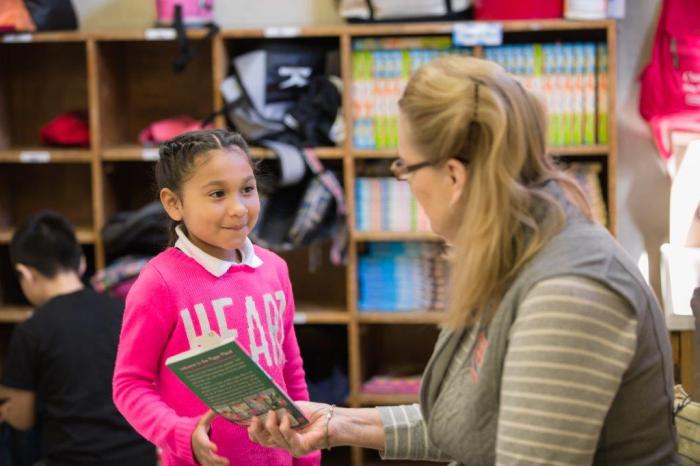
The Foster Grandparent Program isn’t just about pairing children with caring adults; it’s about building bridges across generations, fostering mutual growth, and creating stronger, more resilient communities. By addressing the needs of both children and seniors, this program offers a powerful model for intergenerational support and demonstrates the transformative power of human connection. The positive outcomes for both the children and the foster grandparents highlight the program’s enduring value and its potential for continued growth and expansion in the years to come. It’s a testament to the enduring strength of community and the transformative impact of human connection.