Balconies Design, Safety, and Value
Balconies: They’re more than just an architectural feature; they’re extensions of your living space, offering fresh air, stunning views, and a touch of outdoor luxury. This guide dives into everything you need to know about balconies, from choosing the right design and ensuring safety to maximizing their value and enjoying their many benefits. We’ll explore various types, materials, and styles, providing practical advice and inspiring ideas for transforming your balcony into a personal oasis.
Whether you’re planning a new build, renovating an existing space, or simply want to better understand your balcony, this comprehensive guide offers insights into design considerations, safety regulations, maintenance tips, and the impact balconies have on property value. Get ready to unlock the full potential of your balcony!
Types of Balconies
Source: behance.net
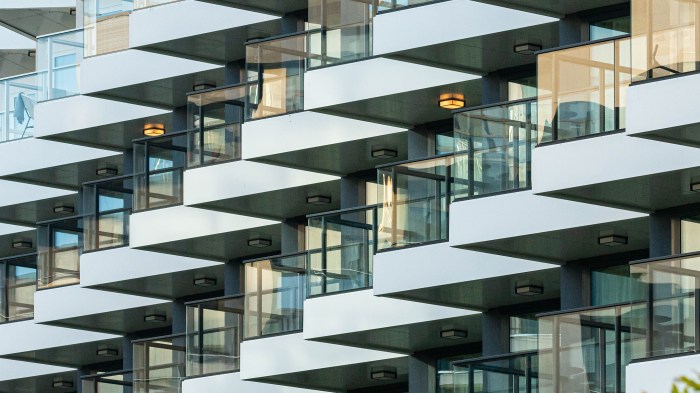
Balconies add significant value to a home, both aesthetically and functionally. They provide outdoor space, fresh air, and a connection to the surrounding environment. However, the type of balcony you choose will significantly impact the overall look, functionality, and cost of your project. This section explores different balcony types, construction methods, and materials to help you make an informed decision.
Balcony Types: A Comparison
Choosing the right balcony type depends on factors like available space, building design, and personal preference. The table below compares some popular options.
| Balcony Type | Materials | Construction Method | Typical Size (approximate) |
|---|---|---|---|
| Juliet Balcony | Metal railing, stone or concrete base | Simple railing affixed to the existing structure; minimal support needed. | 1-2 feet wide, varies in depth |
| Wraparound Balcony | Concrete, metal, wood | Requires substantial structural support; often integrated into the building’s design. | Varies greatly depending on building dimensions; can extend around multiple sides. |
| French Balcony | Metal railing, glass panels (sometimes) | Similar to Juliet’s balcony, but typically includes a door opening directly onto the balcony. | Similar to Juliet’s balcony in width; often slightly deeper. |
| Box Balcony | Concrete, metal, wood | Pre-fabricated or constructed on-site; typically supported by brackets or columns. | 3-6 feet wide, 4-8 feet deep |
| L-Shaped Balcony | Concrete, metal, wood | Requires careful structural planning to ensure stability; often custom-designed. | Varies greatly depending on the shape and size of the building. |
Detailed Balcony Designs
Let’s delve into the specifics of three distinct balcony designs:
1. The Modern Minimalist Balcony: This design prioritizes clean lines and simple aesthetics. It typically features a metal frame (steel or aluminum), perhaps powder-coated for weather resistance, with glass panels for the railing. The floor might be concrete, finished with a smooth, non-slip coating. This design maximizes light and offers unobstructed views. The structural elements are minimal but strong, ensuring stability. The aesthetic is sleek and contemporary, blending seamlessly with modern architecture.
2. The Traditional Wooden Balcony: This style evokes a sense of warmth and character. Solid wood, often treated for weather protection, forms both the flooring and railing. Intricate detailing, such as turned balusters and decorative brackets, adds visual interest. The structural integrity relies on robust supports, often integrated into the building’s framework. This design complements traditional or rustic architectural styles, creating a welcoming and inviting outdoor space. Careful maintenance is required to prevent rot and insect damage.
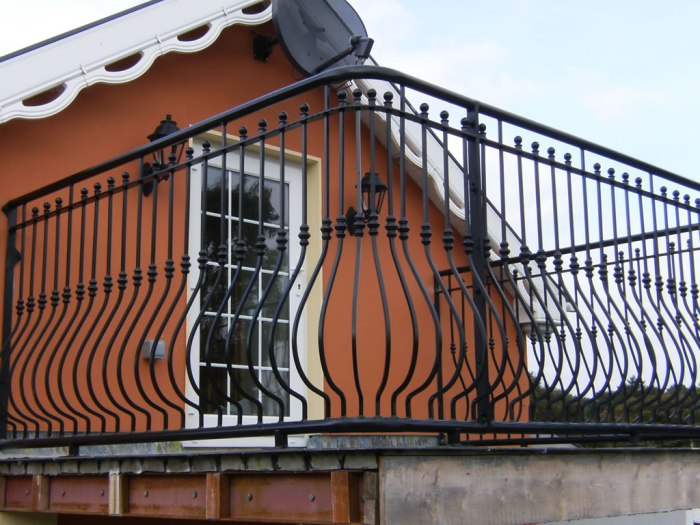
3. The Mediterranean-Inspired Balcony: This design often incorporates wrought iron railings with ornate detailing. The floor might be tiled with terracotta or other Mediterranean-style materials. Plants in pots add to the ambiance. The structure usually consists of strong, reliable supports, often hidden within the architectural design. This style creates a romantic and visually rich space, perfect for enjoying the outdoors in a relaxed and elegant setting. The aesthetic is visually heavy and detailed, often requiring skilled craftsmanship.
Balcony Material Advantages and Disadvantages
The choice of material significantly impacts a balcony’s lifespan, maintenance requirements, and overall aesthetic.
Wood: Advantages: Natural beauty, warmth, relatively easy to work with. Disadvantages: Requires regular maintenance (staining, sealing), susceptible to rot and insect damage, can be expensive.
Concrete: Advantages: Durable, strong, low maintenance. Disadvantages: Can be heavy, requiring substantial structural support, can be visually unappealing unless finished aesthetically.
Metal (Steel, Aluminum): Advantages: Strong, relatively lightweight, low maintenance (especially aluminum), versatile in design. Disadvantages: Can rust (steel), can be expensive (steel), and can get very hot in direct sunlight (dark-colored metal).
Glass: Advantages: Modern look, maximizes light and views, relatively easy to clean. Disadvantages: Can be expensive, requires careful handling to prevent breakage, and can be difficult to maintain cleanliness.
Balcony Safety and Regulations
Source: freeimages.com
Balconies add value and enjoyment to homes, but ensuring their safety is paramount. This section details crucial safety guidelines, relevant building codes, and common issues to prevent accidents and maintain structural integrity. Understanding these aspects is vital for both homeowners and building professionals.
Balcony Maintenance and Use Guidelines
Regular maintenance is key to preventing balcony accidents. Neglecting even minor issues can lead to significant problems. This includes checking for loose railings, damaged flooring, and signs of water damage. Regular inspections should be part of a preventative maintenance plan. Furthermore, exceeding the balcony’s weight capacity is a major safety concern. Overloading can cause structural damage, leading to collapse. It’s crucial to understand the load-bearing capacity of your balcony, which should be clearly stated in building plans or obtainable from your building’s management. Avoid placing heavy objects, especially near the edges, and always be mindful of the number of people on the balcony simultaneously.
Building Codes and Regulations
Building codes regarding balcony construction and safety vary significantly by region and country. These codes usually specify minimum railing heights, materials, and load-bearing requirements. For example, in many parts of North America, railing heights are typically mandated to be at least 42 inches (106.7 cm) high. European Union regulations often follow similar guidelines but might have specific requirements based on the building’s location and intended use. It’s crucial to consult local building codes and regulations before undertaking any balcony construction, modification, or repair. Ignoring these regulations can lead to significant legal and safety consequences. Local building departments are the best resource for obtaining accurate and up-to-date information.
Common Balcony Safety Issues and Preventative Solutions
Several common issues can compromise balcony safety. One major concern is inadequate railing height. Railings that are too low can allow falls, especially for children. Regular inspections and reinforcement or replacement are necessary if railings are damaged or below the required height. Another common issue is insufficient load-bearing capacity. Overloading a balcony, as previously mentioned, can lead to structural failure. Regular inspections for signs of stress or damage, along with adhering to weight limits, are vital. Finally, weatherproofing is essential to prevent water damage. Water can weaken the structural integrity of a balcony over time, leading to rot, corrosion, and eventual collapse. Regular sealing and repair of any cracks or damage will help maintain the structural integrity of your balcony and extend its lifespan.
Balcony Design and Aesthetics
Source: freeimages.com
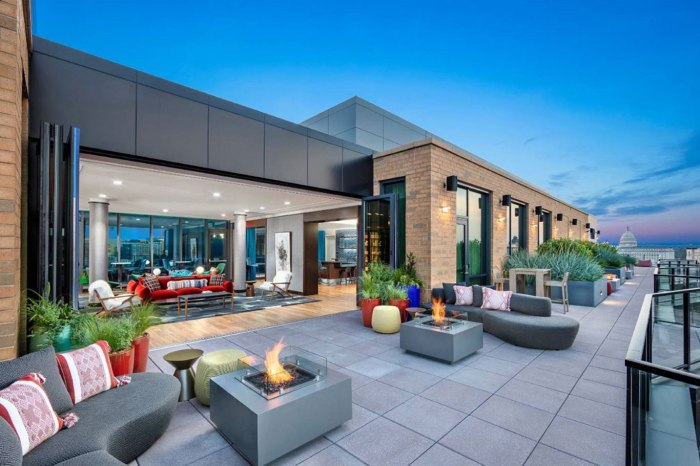
Balcony design significantly impacts a building’s overall aesthetic appeal and the usability of the outdoor space. A well-designed balcony seamlessly integrates with the building’s architecture while offering a functional and visually pleasing extension of the interior living space. Careful consideration of materials, furniture, lighting, and landscaping is crucial for achieving a harmonious and inviting atmosphere.
Modern Balcony Design: A Visual Description
Imagine a sleek, modern balcony with a minimalist design. The flooring is composed of large, light grey porcelain tiles, creating a clean and contemporary look. A low, built-in concrete planter box runs along one side, housing lush, green ferns and trailing pothos plants. A simple, black metal railing provides safety and a sense of openness, allowing for unobstructed views. The lighting consists of integrated LED strip lights embedded within the planter box, casting a warm, soft glow onto the plants at night. Two modern, white sling chairs with grey cushions are strategically placed, providing comfortable seating. A small, round glass-topped side table sits between the chairs, perfect for holding drinks or a book. The overall effect is one of sophisticated simplicity, with a focus on clean lines and natural elements.
Traditional versus Contemporary Balcony Design, Balconies
Traditional balcony designs often feature ornate wrought iron railings, decorative balustrades, and perhaps even a small, tiled floor. Materials like wood and stone are commonly used, creating a classic and sometimes more formal aesthetic. Think of a balcony with intricately carved wooden railings, a patterned tile floor, and perhaps some potted flowering plants in terracotta pots. In contrast, contemporary balcony designs tend to be more minimalist and streamlined. They prioritize functionality and clean lines, using modern materials such as glass, steel, and concrete. Landscaping is often integrated seamlessly into the design, using built-in planters or vertical gardens. The color palettes are typically neutral and sophisticated, creating a calming and uncluttered space.
Design Elements Enhancing Balcony Functionality and Aesthetics
Choosing the right design elements is key to maximizing both the functionality and the aesthetic appeal of your balcony. Consider these points to transform your outdoor space into a true haven.
- Lighting: Strategic lighting enhances both safety and ambiance. Consider recessed lighting, pendant lights, or string lights to create a warm and inviting atmosphere. For example, soft uplighting on plants can highlight their textures and colors, while pathway lighting ensures safe navigation at night.
- Landscaping: Plants soften the hard lines of a balcony and bring life and color. Choose plants that are suitable for the climate and the size of the space. Vertical gardens are a space-saving solution for smaller balconies. For instance, a climbing jasmine vine can add fragrance and visual interest to a railing.
- Furniture: Select furniture that is both comfortable and weather-resistant. Consider materials like wicker, aluminum, or teak. Choose pieces that are appropriately sized for the balcony to avoid overcrowding. For example, a small bistro set is ideal for a compact balcony, while a larger sofa and chairs might suit a more spacious one.
- Privacy Screens: Privacy screens can provide a sense of seclusion and shelter from the elements. These can be made from various materials, such as wood, bamboo, or even retractable screens. For example, a bamboo screen can create a natural and tranquil atmosphere, while a retractable screen allows for flexibility depending on the weather or desired level of privacy.
- Materials: The choice of materials significantly influences the overall look and feel of the balcony. Durable and weather-resistant materials are essential. Consider materials like porcelain tiles for flooring, which are easy to clean and maintain. Stainless steel or powder-coated aluminum railings offer both durability and a modern aesthetic.
Balcony Uses and Functionality
Source: capitaldeckandstair.com
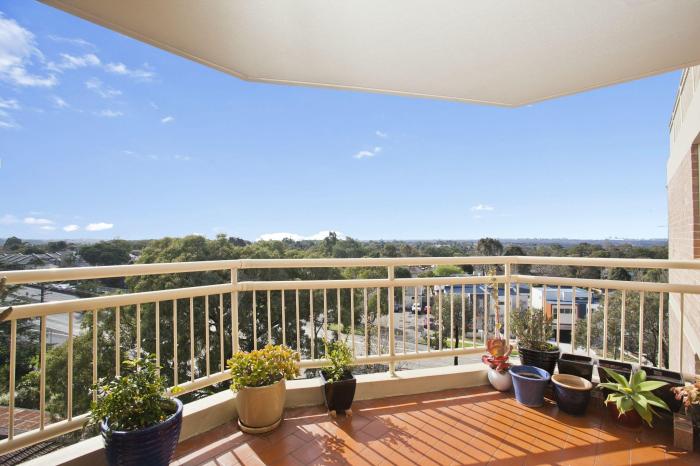
Balconies, often overlooked as mere architectural additions, offer significant potential to enhance the quality of life and the functionality of a home. Their utility extends far beyond a simple space to place potted plants; with careful planning and design, balconies can become versatile outdoor living areas, contributing to both comfort and environmental responsibility.
Balconies transform unused exterior space into valuable living areas. Their functionality is highly adaptable depending on the size, design, and individual needs of the homeowner.
Outdoor Living Space Applications
The practical applications of a balcony as an outdoor living space are numerous. A small balcony can easily accommodate a bistro set for enjoying morning coffee or an evening drink. Larger balconies can become extensions of the interior living space, hosting comfortable seating areas, dining spaces, or even small home offices. The possibilities are limited only by imagination and design constraints. Consider incorporating weather-resistant materials and furniture to maximize usability throughout the year. For instance, a retractable awning provides shade during the hottest parts of the day, while cushions and throws can add comfort and warmth during cooler evenings. A small herb garden adds a touch of nature and fresh ingredients readily available for cooking.
Energy Efficiency and Environmental Impact
Strategic balcony design can significantly contribute to energy efficiency and reduce environmental impact. The careful placement of plants, for example, can act as a natural barrier against direct sunlight, reducing the need for air conditioning. Likewise, strategically placed windbreaks can minimize wind chill, reducing heating costs. The use of sustainable materials in balcony construction, such as recycled wood or composite decking, further reduces the carbon footprint. Incorporating green features like vertical gardens or living walls not only enhances the aesthetic appeal but also helps to improve air quality and reduce the urban heat island effect. These green spaces can help regulate temperature, absorbing heat during the day and releasing it at night.
Innovative Balcony Features
Several innovative features can enhance the comfort and convenience of a balcony. Integrated lighting systems, for instance, can create a warm and inviting atmosphere in the evening. Outdoor sound systems allow for the enjoyment of music or podcasts without disturbing neighbors. Retractable awnings provide shade and protection from the elements, extending the usable time on the balcony throughout the year. Other features could include built-in planters, water features, or even small outdoor fireplaces for added ambiance and warmth. These features can significantly enhance the functionality and overall enjoyment of the space, transforming it into a truly versatile and comfortable outdoor retreat. Consider a weatherproof power outlet for charging devices and a small storage unit to keep cushions and other items dry and organized.
Balcony Maintenance and Repair
Source: behance.net
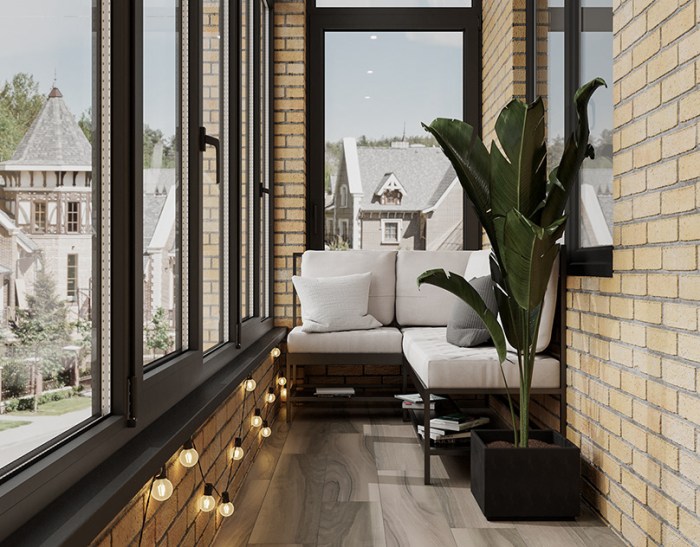
Keeping your balcony in top shape involves regular cleaning and maintenance, addressing repairs promptly, and protecting it from the elements. Neglecting these aspects can lead to costly repairs down the line and compromise the structural integrity and aesthetic appeal of your outdoor space. This section provides a practical guide to maintaining and repairing your balcony, regardless of its material.
Cleaning and Maintaining Different Balcony Materials
Different balcony materials require specific cleaning and maintenance approaches. Ignoring these differences can lead to damage and premature deterioration.
- Concrete: Sweep regularly to remove debris. Pressure washing (using a low-pressure setting) can remove stubborn dirt and grime. Seal concrete every few years to protect it from water damage and staining. A concrete sealer will repel water, preventing cracks from forming and extending the life of the concrete.
- Wood: Regular sweeping and occasional washing with a mild detergent solution are necessary. Wood requires more frequent maintenance than concrete, including sanding and re-staining or sealing every 1-3 years depending on the climate and type of wood. Inspect for signs of rot or insect infestation and address these issues immediately.
- Metal (Steel, Aluminum): Metal balconies need regular cleaning to remove rust and corrosion. A wire brush can remove loose rust, followed by a protective paint or coating. Aluminum is generally more resistant to corrosion but still benefits from periodic cleaning and inspection.
- TTitle Sweep or vacuum regularly to remove loose debris. Use a mild detergent and water solution for cleaning, avoiding harsh chemicals. Grout can be cleaned with a grout brush and appropriate cleaner. Cracked or damaged tiles should be replaced promptly.
Common Balcony Repair Issues and Preventative Measures
Several common problems can affect balconies, many preventable through regular maintenance.
- Cracks in Concrete: Small cracks can be repaired with patching compounds. Larger cracks may require professional attention. Preventative measures include sealing the concrete regularly and addressing minor cracks before they worsen.
- Water Damage: Water damage can lead to rot, rust, and structural issues. Regular waterproofing is crucial. Address any leaks promptly to prevent further damage. Ensure proper drainage to prevent water pooling.
- Rust on Metal Balconies: Regular cleaning and painting with rust-resistant paint are essential to prevent rust formation. Addressing rust promptly is crucial to avoid extensive damage.
- Loose or Damaged Railings: Loose or damaged railings pose a safety hazard. Tighten loose screws or bolts, or replace damaged components immediately. Regular inspections are key to preventing accidents.
- Wood Rot: Regular inspection and treatment with wood preservatives can prevent wood rot. Damaged wood should be replaced as soon as possible.
Waterproofing and Protecting Balconies from the Elements
Effective waterproofing is vital to extend the life of your balcony and prevent costly repairs.
Several methods can be employed for waterproofing, depending on the balcony material:
- Membrane Waterproofing: This involves applying a flexible membrane over the balcony surface. This is particularly effective for concrete balconies. The membrane acts as a barrier against water penetration.
- Coatings: Water-resistant coatings, such as acrylic or epoxy coatings, can provide an extra layer of protection against moisture. These are suitable for various balcony materials.
- Sealants: Sealants are used to fill cracks and gaps, preventing water from entering. Silicone or polyurethane sealants are commonly used.
In addition to waterproofing, consider these protective measures:
- Proper Drainage: Ensure proper drainage to prevent water from accumulating on the balcony surface. This might involve adjusting the slope or installing drainage channels.
- Regular Cleaning: Regular cleaning removes dirt and debris that can trap moisture and contribute to damage.
- Protective Coatings (for Wood and Metal): Regular application of protective coatings, such as stains or paints, will help to protect these materials from the elements.
Balconies and Their Impact on Property Value
Source: freeimages.com
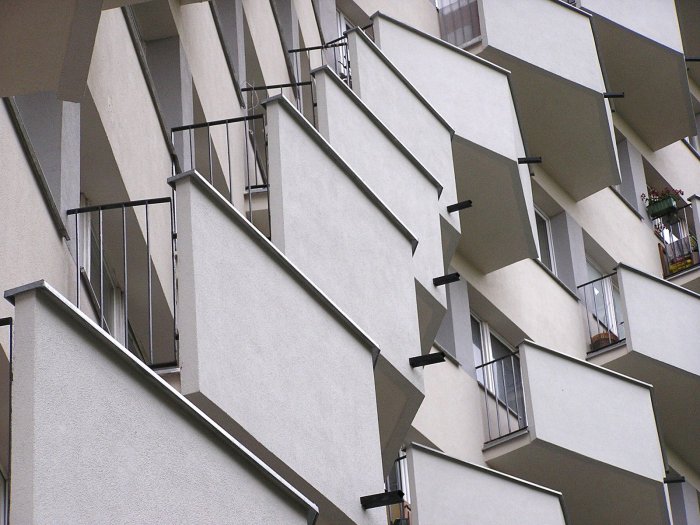
Adding a balcony, or upgrading an existing one, can significantly impact a property’s value, but the extent of this impact varies greatly depending on location, market conditions, and the specific features of the balcony itself. Generally speaking, a well-designed and maintained balcony is a desirable feature that can command a higher sale price or rental income.
A balcony’s contribution to property value is essentially an increase in usable living space, offering an outdoor area for relaxation, entertaining, or simply enjoying fresh air and a view. This added amenity is particularly appealing in densely populated urban areas where outdoor space is at a premium. However, in suburban or rural settings, where larger yards are more common, the impact might be less pronounced.
Return on Investment for Balcony Upgrades
The return on investment (ROI) for balcony upgrades and renovations varies considerably. A simple cleaning and repainting project might yield a modest ROI, perhaps recouping 50-75% of the investment at resale. More substantial renovations, such as adding a privacy screen, installing new flooring, or expanding the balcony’s size, could potentially offer a higher ROI, but the actual return depends heavily on the overall condition of the property, the local real estate market, and the quality of the improvements. For instance, replacing a dilapidated, unsafe balcony with a modern, attractive one can significantly increase the property’s value, potentially yielding an ROI exceeding 100%. Conversely, over-investing in luxury features in a market where such features are not highly valued might result in a lower ROI. A cost-benefit analysis, considering local market trends and comparable properties, is crucial before undertaking any significant balcony renovation.
Factors Influencing Balcony Value Perception
Several key factors influence how buyers and renters perceive the value of a balcony. Size is a primary consideration; a larger balcony offers more usable space and versatility. The view from the balcony also plays a significant role; a balcony overlooking a scenic park or cityscape will be more desirable than one overlooking a brick wall. The balcony’s design and aesthetic appeal are equally important; a well-maintained, attractively designed balcony with appropriate railings and flooring enhances the overall property’s curb appeal and contributes to a more positive first impression. Finally, the materials used in construction and the overall condition of the balcony also impact its perceived value. A balcony constructed from high-quality, durable materials that are well-maintained will naturally be more valuable than one that is showing signs of wear and tear. For example, a balcony made of composite decking will often be perceived as more valuable than one made of pressure-treated wood, due to its lower maintenance requirements and longer lifespan.
Conclusion
Source: fachtnamccarthyengineering.com
From the structural integrity and aesthetic appeal of different balcony designs to the practicalities of maintenance and the impact on property value, we’ve covered a wide range of essential information. Remember, a well-designed and properly maintained balcony enhances both your living experience and your property’s worth. By understanding the key considerations Artikel in this guide, you can confidently navigate the world of balconies and create an outdoor space you’ll love for years to come. So, go ahead, embrace the possibilities, and let your balcony dreams take flight!