Natural Wood Look Siding A Comprehensive Guide
Natural wood look siding offers a timeless appeal, bringing the warmth and beauty of natural wood to your home without the high maintenance. This guide dives into the world of siding that mimics the look of wood, exploring various materials, manufacturing processes, design applications, and cost considerations. We’ll cover everything from vinyl and fiber cement to engineered wood, helping you choose the perfect siding to enhance your home’s curb appeal and increase its value.
We’ll examine the visual textures achievable with different materials, comparing and contrasting their aesthetics. We’ll also delve into the environmental impact of manufacturing processes, exploring sustainable options. Finally, we’ll offer practical advice on maintenance, longevity, and cost, equipping you with the knowledge to make an informed decision.
Defining “Natural Wood Look Siding”
Source: madisonartcenter.org
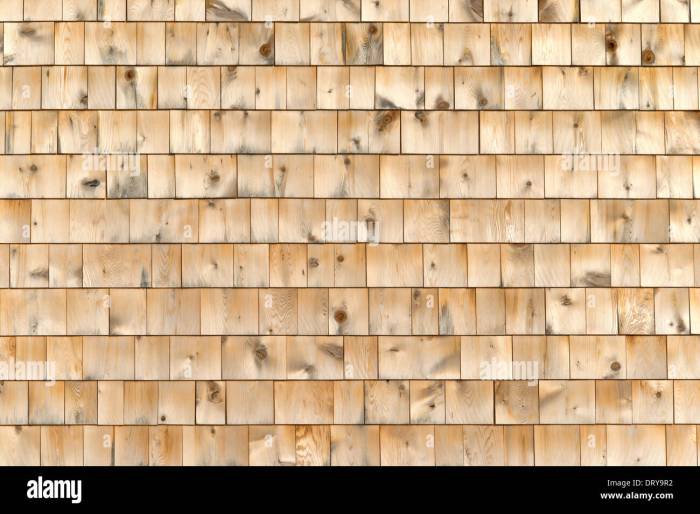
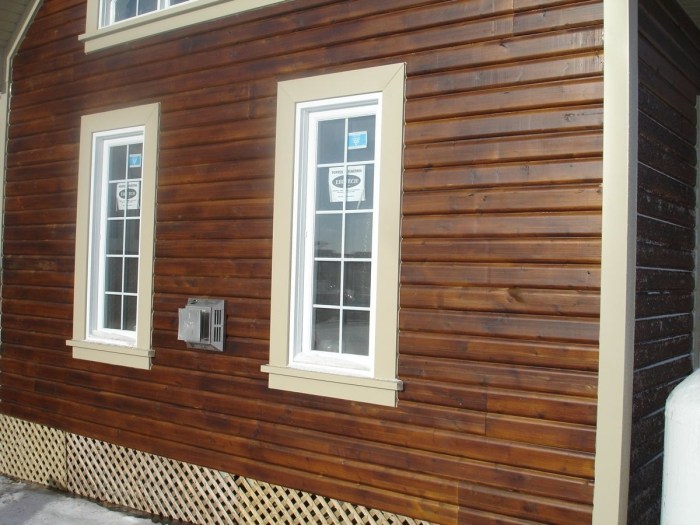
Natural wood look siding offers the aesthetic appeal of real wood without the high maintenance and potential drawbacks. It’s a popular choice for homeowners seeking a classic, warm, and inviting exterior. This type of siding aims to replicate the visual characteristics of various wood types, from the rustic charm of barn wood to the sleek elegance of polished hardwood.
The aesthetic characteristics of natural wood look siding center around the successful imitation of natural wood grain, color variations, and texture. A high-quality product will show realistic knots, grain patterns, and color shading, providing a visually convincing representation of real wood. The overall effect should be one of natural beauty and warmth, enhancing the curb appeal of any home.
Materials Used to Mimic the Appearance of Natural Wood
Several materials are employed to create siding that convincingly imitates the look of natural wood. Each material offers unique properties and visual textures. The choice depends on factors like budget, desired aesthetic, and maintenance requirements.
Different materials achieve varying levels of realism in replicating the look and feel of wood. Some materials excel at capturing the intricate grain patterns, while others focus more on the overall color and texture.
Visual Textures Achievable with Various Materials
Let’s examine the visual textures produced by common materials used in natural wood look siding:
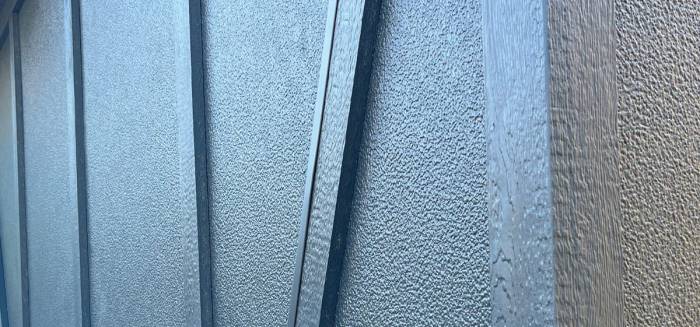
- Vinyl Siding: Vinyl siding can effectively mimic the look of wood grain through embossing techniques. However, the texture is generally smoother and less deeply defined than real wood. The embossed pattern is often a repeating design, lacking the unique variations found in natural wood. While it can convincingly portray the appearance of wood from a distance, a close inspection often reveals its artificial nature.
- Fiber Cement Siding: Fiber cement siding offers a more substantial and realistic texture than vinyl. It can be molded to replicate deeper wood grain and even subtle variations in surface texture. This material provides a more durable and authentic wood-like appearance, but may still lack the nuanced complexity of real wood grain.
- Wood-Plastic Composite (WPC) Siding: WPC siding combines the aesthetic qualities of wood with the durability of plastic. It can successfully reproduce the look and feel of wood, often featuring deeply embossed grain patterns and textured surfaces that closely resemble real wood. The texture tends to be slightly smoother than real wood but offers a good compromise between realism and longevity.
- Engineered Wood Siding: Engineered wood siding, like certain types of composite wood, is made from wood fibers and resins. This can create a very convincing wood look and feel, with textures ranging from smooth to heavily textured, depending on the manufacturing process. The texture can be highly realistic, closely mimicking natural variations in wood grain.
Manufacturing Processes: Natural Wood Look Siding
Source: accoya.com
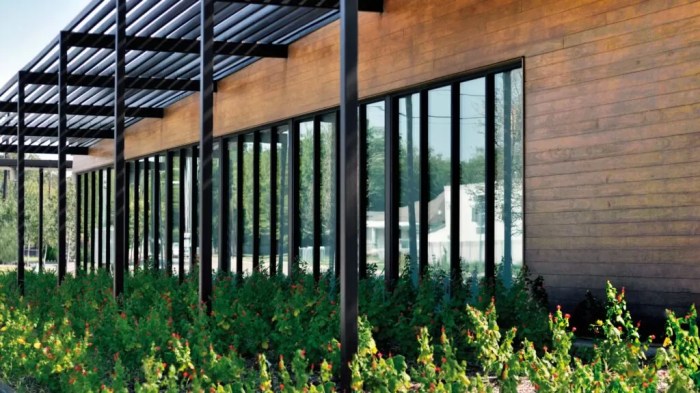
Creating natural wood look siding involves a variety of manufacturing processes, each with its own strengths and weaknesses. The goal is to mimic the appearance and, to some extent, the performance of real wood, but using more durable and often more sustainable materials. Let’s explore the common methods used for vinyl, fiber cement, and engineered wood siding.
Vinyl Siding Manufacturing
Vinyl siding is manufactured by extruding a PVC (polyvinyl chloride) compound through a die. This die shapes the siding into its final profile, including the embossed wood grain texture. Pigments and additives are mixed into the PVC to achieve the desired color and to enhance properties like UV resistance and impact strength. The extrusion process is continuous, creating long lengths of siding which are then cut to size. The wood grain pattern is created by carefully designed rollers within the die that imprint the texture onto the still-molten PVC. Different rollers create different wood grain looks, from subtle to highly pronounced. After extrusion, the siding is cooled and often undergoes a final quality inspection before packaging.
Fiber Cement Siding Manufacturing, Natural wood look siding
Fiber cement siding production is a more complex process. It begins with a slurry mixture of Portland cement, cellulose fibers (often recycled wood pulp), and other additives like silica sand. This slurry is then formed into sheets using a variety of methods, including pressing or casting. The wood grain texture is typically imprinted onto the still-wet fiber cement sheets using molds or rollers, similar to the vinyl process. After shaping, the sheets are cured in high-temperature kilns to harden the cement and increase strength and durability. Finally, the cured sheets are cut to size and may be primed or pre-finished with paint.
Engineered Wood Siding Manufacturing
Engineered wood siding, often made from wood-plastic composites (WPCs), involves combining wood fibers or sawdust with a plastic polymer like polyethylene or PVC. This mixture is then extruded or molded into the desired siding profile. The wood grain texture can be added during the extrusion process using textured rollers, or it can be applied as a surface layer using a film or other decorative treatment. The environmental impact of WPCs is complex, as it depends on the proportion of wood and plastic used and the source of the wood fibers. Sustainable practices, such as using recycled wood, can significantly reduce the environmental footprint.
Techniques for Creating Realistic Wood Grain Patterns and Textures
Achieving a realistic wood grain effect requires precise control over the manufacturing process. For vinyl and WPCs, the key lies in the design of the extrusion die and rollers. Intricate patterns are etched or machined into the rollers, which then imprint the desired texture onto the molten material. For fiber cement, molds are used to create the textured surface. These molds can be created from actual wood samples, providing a high degree of realism. Advances in 3D printing technology are also allowing for more intricate and detailed wood grain replication. Some manufacturers use digital printing to add color variations and further enhance the realism of the wood grain.
Environmental Impact Comparison
The environmental impact of each siding type varies considerably. Vinyl siding’s manufacturing process uses significant amounts of energy and releases greenhouse gases. However, vinyl is durable and long-lasting, reducing the need for frequent replacements. Fiber cement siding has a lower carbon footprint than vinyl, as it utilizes natural materials like cement and wood fibers. However, its manufacturing process requires energy-intensive kiln curing. Engineered wood siding’s environmental impact depends heavily on the proportion of recycled wood and plastic used. Sustainable sourcing and manufacturing practices can minimize the environmental footprint of this option. Life cycle assessments, considering manufacturing, transportation, use, and disposal, are needed for a complete comparison.
Applications and Design Considerations
Source: balancedarchitecture.com
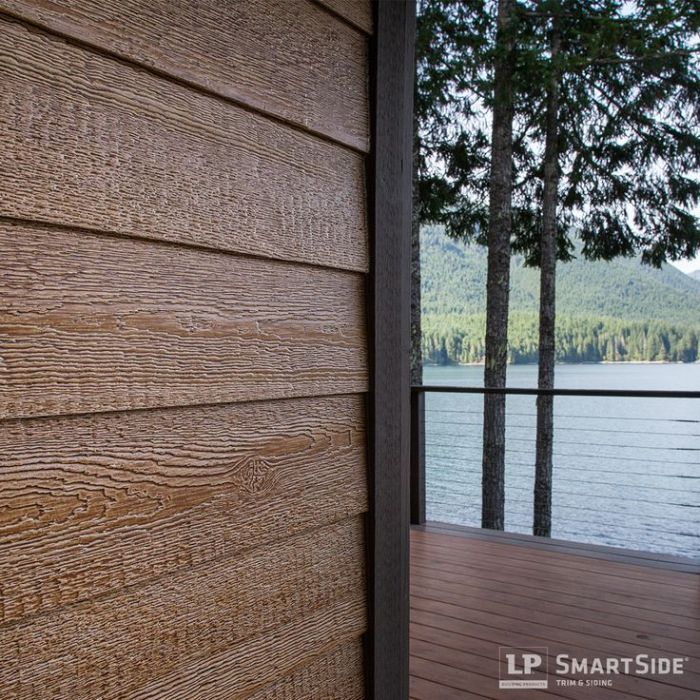
Natural wood look siding offers a versatile and aesthetically pleasing option for a wide range of architectural styles and design preferences. Its ability to mimic the beauty of real wood while offering enhanced durability and maintenance makes it a popular choice for both new construction and renovations. Understanding the application possibilities and design considerations will help you create a stunning and long-lasting exterior.
Architectural Styles and Natural Wood Look Siding
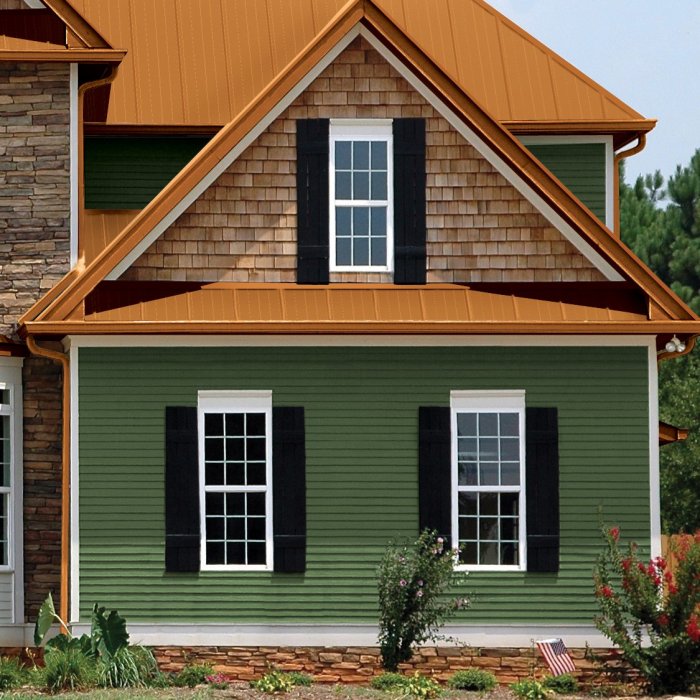
Natural wood look siding complements various architectural styles effectively. For example, its rustic charm pairs beautifully with Craftsman homes, enhancing the natural, handcrafted aesthetic with its textured surfaces and earthy tones. On Ranch-style homes, wood-look siding can create a warm and inviting feel, especially when combined with stone or brick accents. Contemporary designs can benefit from the clean lines and modern color palettes available in wood-look siding, creating a sophisticated and elegant facade. Even traditional homes can embrace the timeless appeal of wood siding, adding a touch of classic elegance without the high maintenance of real wood. The versatility of this siding allows for creative applications across diverse architectural styles.
The Role of Color and Finish in Achieving a Natural Wood Aesthetic
Color and finish are crucial in achieving a realistic and aesthetically pleasing natural wood look. Choosing the right color palette is key to complementing the overall architectural style and surrounding landscape. Earth tones like browns, grays, and tans mimic the natural variations found in real wood, creating a seamless and harmonious look. Consider the subtle nuances of color – a warm brown can evoke a sense of rustic charm, while a cool gray can project a more modern and sophisticated feel. Finishes also play a vital role; a matte finish can emphasize the wood grain and texture, offering a more natural and understated look. A slightly glossier finish can enhance the depth and richness of the color, providing a more polished appearance. The choice of color and finish significantly impacts the overall aesthetic, allowing for customization to suit individual preferences and architectural styles.
Sample Exterior Design Using Natural Wood Look Siding
Let’s imagine a Craftsman-style home with natural wood look siding. The main facade features a deep brown, matte-finish siding that emphasizes the wood grain texture. The trim is accented with a lighter, complementary shade of beige, providing a subtle contrast. The foundation is clad in natural stone, creating a beautiful blend of natural materials. Large windows are framed with matching beige trim, allowing ample natural light to flood the interior. The overall effect is one of warmth, elegance, and a seamless integration with the surrounding landscape.
Comparison of Siding Options
Here’s a comparison of three different siding options suitable for a similar design:
| Material | Cost (per sq ft, estimate) | Maintenance |
|---|---|---|
| Natural Wood Look Vinyl Siding | $3-$6 | Low; occasional cleaning |
| Natural Wood Look Fiber Cement Siding | $7-$12 | Moderate; periodic painting or staining |
| Real Wood Siding (Cedar) | $10-$20+ | High; regular staining, sealing, and potential repairs |
Maintenance and Longevity
Source: burbachexteriors.com
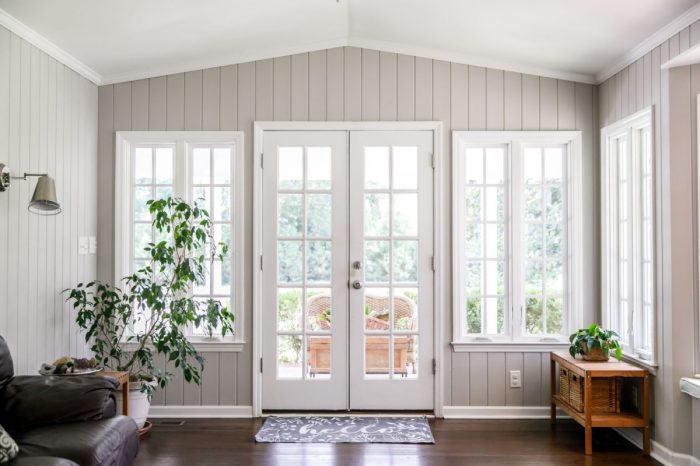
Natural wood look siding offers a beautiful aesthetic, but its lifespan and upkeep depend heavily on the specific material and your climate. Understanding these factors is crucial for making an informed decision and ensuring your siding remains attractive and functional for years to come. This section will compare the maintenance needs and longevity of various natural wood look siding options, providing guidance on cleaning and repair.
Maintenance Requirements Comparison
Different natural wood-look siding materials demand varying levels of maintenance. For instance, vinyl siding mimicking wood grain requires minimal upkeep, typically involving occasional washing with soap and water to remove dirt and grime. However, engineered wood siding, while more durable than solid wood, may necessitate periodic staining or sealing to protect against moisture damage and UV degradation. Solid wood siding, while offering the most authentic look, requires the most diligent maintenance, including regular cleaning, staining, and potential repairs to address weathering and insect damage. The frequency of these tasks will vary based on your local climate and the type of wood used.
Lifespan and Durability Across Climates
The lifespan of natural wood look siding is significantly influenced by the material and environmental conditions. Vinyl siding, known for its resistance to moisture and rot, can last for decades, even in harsh climates. However, prolonged exposure to intense UV radiation can cause discoloration over time. Engineered wood siding generally boasts a longer lifespan than solid wood, typically lasting 20-30 years, depending on the quality and climate. Its resistance to moisture and insects makes it a relatively low-maintenance option. Solid wood siding, while visually stunning, has a shorter lifespan, often requiring replacement or significant repair after 15-25 years, particularly in areas with high humidity or frequent freeze-thaw cycles. For example, cedar siding might fare better in dry climates than in humid coastal regions.
Cleaning and Repair Procedures
Regular cleaning is vital for extending the life of any natural wood-looking siding. For vinyl and engineered wood, a simple solution of mild detergent and water, applied with a soft brush or sponge, is usually sufficient. Always rinse thoroughly to prevent soap residue buildup. Solid wood siding might benefit from a more specialized cleaner designed for wood, followed by a protective sealant or stain application every few years. Common repairs for natural wood look siding include replacing damaged or rotted sections. For vinyl and engineered wood, this often involves removing and replacing individual panels. Solid wood repairs might require more specialized carpentry skills, potentially involving patching or replacing individual boards. Addressing minor issues promptly can prevent more extensive and costly repairs down the line.
Cost and Value
Source: shutterstock.com
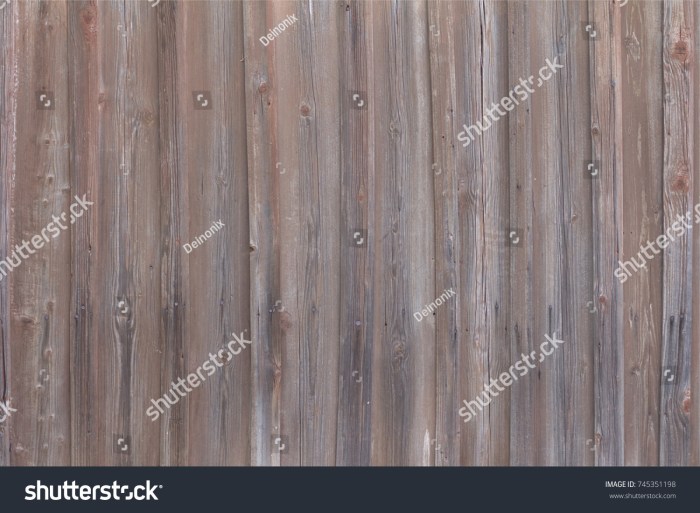
Choosing the right siding isn’t just about aesthetics; it’s a significant investment impacting your home’s value and your wallet. Understanding the cost-benefit analysis of different natural wood look siding options is crucial for making an informed decision. This section will break down the pricing, long-term value, and factors influencing the overall cost of your siding project.
Price Comparison of Natural Wood Look Siding Materials
The cost of natural wood look siding varies greatly depending on the material, quality, and installation. Keep in mind that these are estimates, and actual prices can fluctuate based on location, supplier, and market conditions. The following table provides a general comparison for a 1500 sq ft house:
| Material | Price per Square Foot | Estimated Cost (1500 sq ft) |
|---|---|---|
| Engineered Wood (e.g., Fiber Cement) | $3.00 – $6.00 | $4,500 – $9,000 |
| Vinyl Siding (Wood-Grain Finish) | $2.00 – $4.00 | $3,000 – $6,000 |
| Real Wood (Cedar, Redwood) | $8.00 – $15.00 | $12,000 – $22,500 |
| PVC Siding (Wood-Grain Finish) | $4.00 – $7.00 | $6,000 – $10,500 |
Long-Term Value and Return on Investment
While real wood siding offers a luxurious look, its higher initial cost and greater maintenance needs may result in a lower return on investment compared to more durable and low-maintenance alternatives like fiber cement or high-quality vinyl. For example, a home with real wood siding might require repainting or staining every 5-7 years, adding significant ongoing expense. Fiber cement siding, while initially more expensive than vinyl, boasts a much longer lifespan (50 years or more) and requires less maintenance, leading to potential long-term cost savings. The increased longevity translates to a higher return on investment over the home’s lifetime.
Impact of Installation Costs and Resale Value
Installation costs significantly impact the overall project expense. Labor charges can vary based on the complexity of the job, the siding material used, and the contractor’s rates. Real wood siding, for instance, often requires more specialized labor and expertise, leading to higher installation costs. Conversely, vinyl siding is generally easier and faster to install, resulting in lower labor expenses. The choice of siding also affects your home’s resale value. High-quality, durable siding like fiber cement can significantly enhance curb appeal and attract potential buyers, thus increasing your property’s market value. Conversely, neglected or damaged siding can negatively impact your home’s value.
Environmental Impact
Source: trulogsiding.com
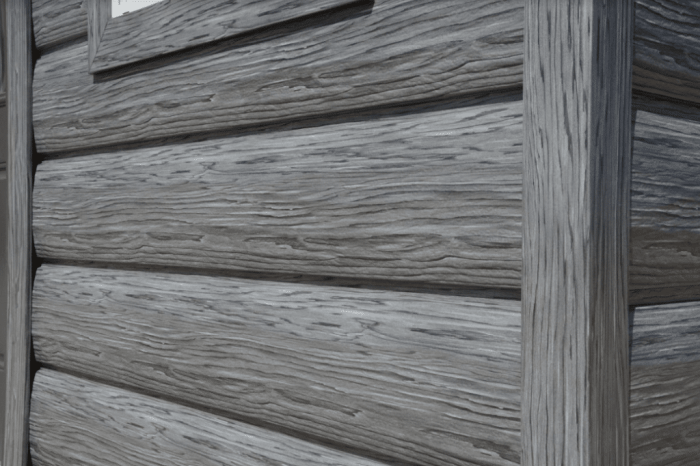
Choosing natural wood look siding involves considering its environmental footprint throughout its lifecycle, from the sourcing of raw materials to its eventual disposal. Understanding the impact of different materials and manufacturing processes is crucial for making informed and sustainable choices.
The environmental impact of natural wood look siding varies significantly depending on the specific material used. For example, sustainably harvested wood from responsibly managed forests has a much lower environmental impact than wood from clear-cut forests. Similarly, the manufacturing process plays a role; energy-intensive processes contribute more greenhouse gas emissions than those that utilize renewable energy sources. Transportation distances also affect the carbon footprint, with locally sourced materials generally having a lower impact. Finally, disposal methods significantly influence the overall environmental effect; proper recycling or responsible disposal minimizes landfill waste and environmental damage.
Comparison of Environmental Impacts
Several factors influence the environmental impact of different natural wood-look siding materials. These include the type of wood, its source (sustainably harvested vs. clear-cut), the manufacturing processes involved (energy consumption, waste generation), transportation distances, and end-of-life management (recycling, disposal). For instance, rapidly renewable materials like bamboo have a significantly smaller carbon footprint compared to slow-growing hardwoods, especially when considering the time it takes for trees to mature. The use of recycled materials in the manufacturing process further reduces the overall environmental impact. Additionally, siding made with reclaimed wood reduces the demand for newly harvested timber.
Sustainability of Materials and Manufacturing Processes
Sustainable sourcing and manufacturing practices are key to minimizing the environmental impact of natural wood-look siding. Certifications such as the Forest Stewardship Council (FSC) label ensure that wood comes from responsibly managed forests. Manufacturers employing sustainable practices, such as reducing energy consumption, minimizing waste, and using recycled materials, contribute to a lower environmental footprint. Investing in siding made with recycled materials or from rapidly renewable sources like bamboo directly supports more sustainable options. The selection of water-based finishes instead of solvent-based ones also contributes to environmental protection by minimizing volatile organic compound (VOC) emissions.
Eco-Friendly Options
Several eco-friendly options exist within the natural wood look siding market. These include siding made from sustainably harvested wood certified by organizations like the FSC, bamboo siding (a rapidly renewable resource), and siding incorporating recycled materials. Furthermore, siding manufacturers that prioritize energy efficiency in their production processes and minimize waste generation offer more environmentally responsible choices. Consumers can look for certifications and labels that verify the sustainability of the materials and manufacturing processes, helping them make informed decisions aligned with their environmental values. Choosing to side with low VOC finishes also contributes to a healthier environment.
Visual Examples
Source: madisonartcenter.org
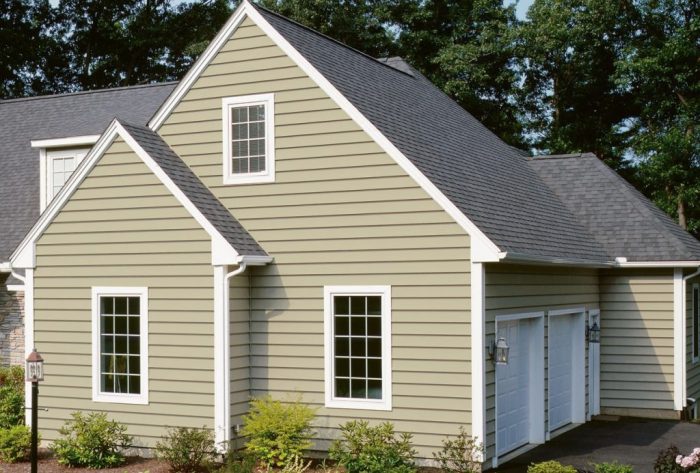
Seeing is believing, and when it comes to natural wood-look siding, the visual impact is significant. The following examples illustrate the versatility of this siding option across different architectural styles and demonstrate how light and shadow enhance its natural beauty. Remember, these are just a few examples; the possibilities are truly endless.
Three Homes Featuring Natural Wood Look Siding
Let’s explore three distinct homes, each showcasing a unique approach to natural wood-look siding. The variations in siding type, color, and architectural style highlight the breadth of design choices available.
Example 1: A Rustic Mountain Cabin This charming cabin features cedar shake siding in a warm, honey-brown tone. The rough-hewn texture of the shakes creates a deeply textured surface, mimicking the natural variation found in real cedar. The deep, rich brown color is complemented by the surrounding mountain landscape, creating a harmonious blend of architecture and environment. The horizontal application of the shakes emphasizes the horizontal lines of the cabin, enhancing its rustic appeal. The shadows cast by the uneven surfaces of the shakes add depth and visual interest, particularly in the late afternoon sun. The color deepens and becomes more intense in direct sunlight, while shaded areas appear softer and more subdued.
Example 2: A Modern Farmhouse This contemporary farmhouse utilizes vertical shiplap siding crafted from a composite material designed to mimic the look of painted white oak. The smooth, clean lines of the shiplap create a crisp, modern aesthetic, contrasting with the traditional farmhouse architecture. The bright white paint accentuates the clean lines and creates a sense of airy spaciousness. The slight variation in the color of the individual planks adds a subtle texture and visual interest without detracting from the overall clean aesthetic. In bright sunlight, the white siding appears almost blindingly bright, while in the shade, it maintains a consistent, cool tone. The play of light and shadow emphasizes the vertical lines of the siding, further contributing to the home’s modern appeal.
Example 3: A Coastal Cottage This coastal cottage showcases horizontally applied clapboard siding in a light, weathered gray. The clapboard’s subtle texture and slightly uneven edges contribute to a relaxed, beachy feel. The light gray color evokes the feel of driftwood, perfectly complementing the coastal surroundings. The color appears almost silvery in bright sunlight, reflecting the light beautifully. In the shade, the gray deepens slightly, offering a sense of calm and tranquility. The horizontal lines of the clapboard siding visually broaden the home, accentuating its low-slung profile and making it appear more inviting.
The Effect of Lighting on Natural Wood Look Siding
Lighting conditions dramatically influence the appearance of natural wood look siding. The interplay of light and shadow reveals the subtle textures and variations in color, adding depth and visual interest. Different times of day and varying weather conditions can all contribute to this dynamic effect.
Morning light, for instance, often casts long shadows, highlighting the texture of the siding. The colors appear richer and more saturated. The afternoon sun, on the other hand, can wash out some of the subtle color variations, making the surface appear more uniform. Overcast days diffuse the light, creating a softer, more muted appearance. The same siding might appear warm and inviting in the golden light of sunset while appearing cool and subdued under the pale light of the moon.
The texture of the siding also plays a crucial role in how light interacts with it. Rough-hewn textures, like those found in cedar shake siding, create more pronounced shadows and highlights, adding significant depth. Smoother surfaces, such as shiplap, reflect light more evenly, creating a cleaner, more uniform appearance. The interplay between light, shadow, and texture is what truly brings natural wood look siding to life.
Conclusive Thoughts
Source: homedit.com
Choosing the right natural wood look siding is a significant decision impacting your home’s aesthetic and long-term value. By understanding the various materials, their manufacturing processes, maintenance requirements, and environmental impact, you can confidently select the perfect siding to complement your architectural style and budget. Remember to consider factors like climate, desired lifespan, and your personal aesthetic preferences when making your final choice. Ultimately, the right siding will enhance your home’s beauty and protect it for years to come.