RNLI Volunteer Saving Lives at Sea
RNLI volunteer; it’s a title that conjures images of brave individuals battling stormy seas to rescue those in peril. But being an RNLI volunteer is far more than just dramatic rescues; it’s a commitment to rigorous training, unwavering teamwork, and a deep dedication to serving coastal communities. This exploration delves into the multifaceted world of RNLI volunteers, examining their roles, training, impact, and the challenges they face.
From the initial application process to the ongoing professional development opportunities, we’ll uncover the journey of becoming a skilled and compassionate lifesaver. We’ll also look at the crucial support systems in place to help volunteers cope with the emotional and physical demands of their work, ensuring they are equipped to continue their vital service.
The Role of an RNLI Volunteer
Source: alamy.com
Becoming an RNLI volunteer is a significant commitment, involving dedication, training, and a genuine desire to save lives at sea. Volunteers are the backbone of the RNLI, providing a crucial lifesaving service across the UK and Ireland. Their roles are diverse, demanding a range of skills and commitment levels.
Day-to-Day Responsibilities of an RNLI Volunteer
The day-to-day life of an RNLI volunteer varies greatly depending on their role and the station’s activity. Some volunteers might spend their time maintaining equipment, conducting fundraising activities, or participating in training exercises. Others may be on call, ready to respond to emergencies at any time, day or night. Even on quieter days, volunteers are actively involved in station upkeep, ensuring readiness for when the call comes. This includes checking equipment, cleaning boats, and participating in regular training sessions to maintain their skills and knowledge.
Various Roles Within the RNLI Volunteer Program
The RNLI offers a wide array of volunteer roles, catering to different skills and experience levels. These include crew members (operating lifeboats), shore crew (supporting launch and recovery operations), fundraising volunteers, and those involved in station management and administration. Some volunteers specialize in areas like mechanics, radio operation, or first aid, while others focus on community engagement and fundraising efforts. The diversity of roles ensures a well-rounded and effective lifesaving operation.
Training Required for Different RNLI Volunteer Positions
The training required differs significantly across roles. Lifeboat crew members undergo rigorous training programs, encompassing seamanship, navigation, first aid, and the operation of specialized equipment. This training is extensive and ongoing, involving both theoretical and practical assessments. Shore crew members receive training relevant to their tasks, such as boat handling and safety procedures. Fundraising volunteers may receive training in fundraising techniques and communications, while administrative volunteers might focus on management and organizational skills. All volunteers receive initial training and regular refresher courses to maintain their proficiency.
Skills and Qualities Needed to Be a Successful RNLI Volunteer
Successful RNLI volunteers possess a blend of essential skills and qualities. These include physical fitness, excellent teamwork skills, strong communication abilities, and the ability to remain calm under pressure. Decision-making skills are critical, especially for lifeboat crew, who often face rapidly changing and challenging situations. A high level of commitment, self-discipline, and resilience is also essential, as the role demands flexibility and readiness to respond to emergencies at any time. Empathy and compassion are crucial, as volunteers often deal with traumatic situations.
Comparison of RNLI Vessels and Their Volunteer Operators
| Vessel Type | Description | Crew Size | Volunteer Roles |
|---|---|---|---|
| Inshore Lifeboat (ILB) | Smaller, faster boat for inshore rescues. | 2-3 | Coxswain, Crew Member |
| All-weather Lifeboat (ALB) | Larger, more powerful boat for offshore rescues. | 4-8+ | Coxswain, Mechanic, Navigator, Crew Members, Radio Operator |
| Atlantic 85 Lifeboat | Powerful, versatile lifeboat for a range of conditions. | 4-5 | Coxswain, Crew Member |
| Tamar Class Lifeboat | Large, powerful lifeboat for challenging conditions. | 6-8+ | Coxswain, Mechanic, Navigator, Crew Members, Radio Operator |
The Impact of RNLI Volunteers on Coastal Communities
Source: twimg.com
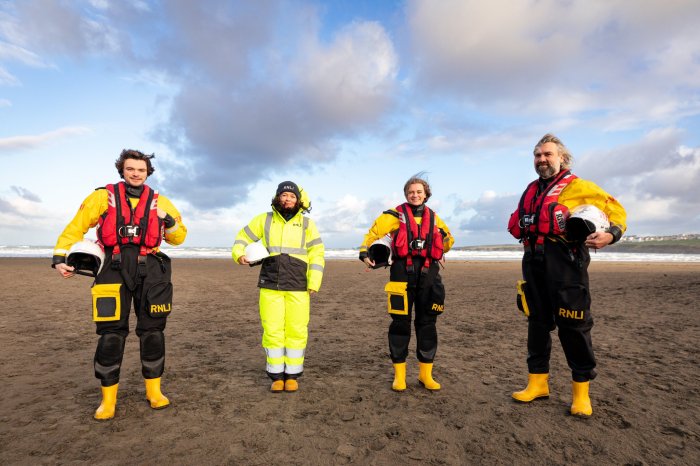
The RNLI’s volunteer lifeboat crews are a lifeline for coastal communities, providing a vital safety net and contributing significantly to the economic and social fabric of these areas. Their selfless dedication goes beyond simply rescuing people at sea; it fosters a sense of security, community spirit, and overall well-being.
The dedication of RNLI volunteers translates directly into safer coastal areas for residents and visitors alike. Their rapid response times in emergencies drastically reduce the risk of fatalities and serious injuries, contributing to a lower incidence of water-related accidents and fatalities. This peace of mind allows coastal communities to thrive, encouraging tourism, recreation, and a generally more active lifestyle that revolves around the sea.
RNLI Volunteer Rescues and Their Impact
The impact of individual RNLI rescues is often profound and far-reaching. For example, a rescue might save the life of a fisherman caught in a sudden storm, ensuring the continuation of his livelihood and supporting his family. Another instance could involve rescuing a family whose boat has capsized, preventing a tragic loss of life and the devastating emotional impact on the community. These specific examples highlight the human cost that is mitigated by the readily available service provided by RNLI volunteers. The ripple effect of such rescues extends beyond the immediate victims, influencing the confidence of the community in the safety of coastal activities.
Economic and Social Benefits of RNLI Presence
The presence of an active RNLI station brings significant economic benefits to coastal communities. Tourism is often a major industry in these areas, and the knowledge that a skilled rescue team is readily available can significantly boost visitor confidence and encourage more people to engage in water-based activities. This increased tourism translates to more jobs, higher spending in local businesses, and an overall improvement in the local economy. Socially, the RNLI fosters a strong sense of community and mutual support. Volunteers become integral members of their towns and villages, building strong relationships and contributing to a positive social environment.
Positive Community Relationships Fostered by RNLI Volunteers
The RNLI isn’t just about rescues; it’s about building strong, positive relationships within coastal communities. Volunteers often participate in local events, fundraising activities, and educational programs, strengthening the bond between the lifeboat crew and the people they serve. These interactions foster trust, build rapport, and create a sense of shared responsibility for coastal safety. The volunteers are often seen as local heroes, embodying the spirit of community service and dedication. For example, many stations host open days, allowing the public to see the lifeboats and meet the crew, fostering a sense of connection and understanding.
Environmental Impact of RNLI Volunteers
Beyond saving lives, RNLI volunteers indirectly contribute to the preservation of the coastal environment. By responding to incidents involving pollution or environmental hazards at sea, they assist in mitigating damage to the ecosystem. For example, they may help recover debris from oil spills or assist in the rescue of injured marine wildlife. Furthermore, the RNLI’s commitment to sustainable practices within their operations, such as fuel efficiency and environmentally friendly boat maintenance, also contributes to the protection of the coastal environment. Their training and preparedness also extend to dealing with environmental emergencies, adding an extra layer of protection to the coastal environment.
The Challenges Faced by RNLI Volunteers
Being an RNLI volunteer is incredibly rewarding, but it’s crucial to understand the significant physical, mental, and emotional demands of the role. These challenges are inherent to the nature of the work, involving perilous conditions and exposure to traumatic events. Effective support systems are vital to ensuring the well-being of these dedicated individuals.
The work of an RNLI volunteer is inherently risky and demanding, requiring both physical and mental resilience. The challenges extend beyond the immediate dangers of rescue operations to encompass the long-term effects of exposure to stressful situations and the emotional weight of dealing with life-threatening incidents.
Physical Challenges Faced by RNLI Volunteers
RNLI volunteers face significant physical challenges. The demanding nature of their work often involves strenuous activity in harsh weather conditions, including strong winds, heavy rain, and rough seas. They must be physically fit to handle the equipment, maneuver boats in challenging conditions, and perform rescues that often require considerable strength and endurance. Exposure to cold water and the elements also poses a risk of hypothermia and other health problems. Regular training and physical fitness are essential for mitigating these risks.
Mental and Emotional Challenges Faced by RNLI Volunteers
The mental and emotional demands on RNLI volunteers are substantial. The constant exposure to potentially life-threatening situations, witnessing accidents, and dealing with the aftermath of tragedies can lead to stress, anxiety, and post-traumatic stress disorder (PTSD). The emotional toll of dealing with the grief and trauma of families involved in incidents is also significant. Furthermore, the irregular nature of the work, often involving sudden call-outs at any time of day or night, can disrupt sleep patterns and family life, adding further pressure.
Risks Associated with RNLI Volunteer Work
The risks associated with RNLI volunteer work are considerable and varied. Weather conditions at sea can change rapidly, creating hazardous situations for both volunteers and those they are trying to rescue. Rough seas, strong winds, and poor visibility significantly increase the difficulty and danger of rescue operations. The unpredictable nature of the sea and the potential for equipment failure further add to the inherent risks. These risks are compounded by the urgency of many situations, demanding quick thinking and decisive action under pressure. For example, a sudden squall could capsize a lifeboat, or a rapidly shifting sandbank could strand a rescue vessel.
The Emotional Toll of Traumatic Incidents
Dealing with traumatic incidents is an unavoidable aspect of being an RNLI volunteer. Witnessing serious injuries, fatalities, and the suffering of those involved can have a profound and lasting emotional impact. The responsibility of saving lives, coupled with the potential for failure, creates immense pressure and can lead to feelings of guilt, helplessness, and burnout. The emotional toll can be particularly severe when children or families are involved. For instance, a volunteer might struggle with the memory of a rescue where they couldn’t save someone’s life, leading to prolonged feelings of distress and self-doubt.
Support Systems Available to RNLI Volunteers
The RNLI recognizes the importance of providing comprehensive support to its volunteers. Support systems include access to peer support networks, counseling services, and mental health professionals specializing in trauma. Regular debriefings after particularly challenging incidents allow volunteers to process their experiences and receive support from colleagues and supervisors. The RNLI also emphasizes the importance of a strong team environment, fostering camaraderie and mutual support among volunteers. However, the level and accessibility of these support systems can vary depending on location and individual needs. Some volunteers might find it easier to access support than others, highlighting the need for ongoing improvement and standardization of these services.
How the RNLI Addresses the Challenges Faced by its Volunteers
- Provides comprehensive training programs covering both seamanship and emergency response techniques.
- Offers regular health and safety briefings to emphasize risk awareness and mitigation strategies.
- Maintains a robust peer support network, allowing volunteers to share experiences and provide emotional support to one another.
- Provides access to professional counseling services, including specialized trauma therapy.
- Conducts regular post-incident debriefings to help volunteers process their experiences and identify any potential mental health concerns.
- Emphasizes the importance of work-life balance and encourages volunteers to prioritize their well-being.
- Continuously reviews and improves its support systems based on feedback from volunteers and best practice guidelines.
Recruitment and Retention of RNLI Volunteers
Source: biBirkenheadews
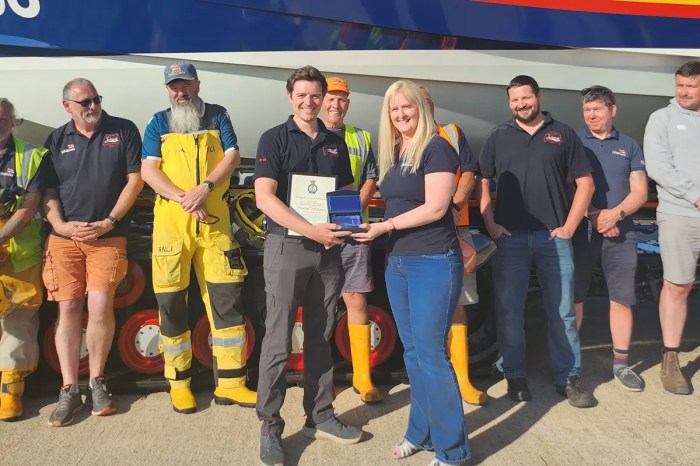
Securing and retaining dedicated volunteers is crucial for the RNLI’s lifesaving mission. A robust recruitment strategy, coupled with strong support systems for existing volunteers, ensures the continued effectiveness of their coastal rescue operations. This section details the methods employed by the RNLI to attract new volunteers and maintain a highly motivated and engaged workforce.
RNLI Recruitment Strategies, RNLI volunteer
The RNLI utilizes a multi-faceted approach to recruit volunteers, targeting diverse demographics and leveraging various communication channels. This includes online advertising campaigns showcasing the rewarding aspects of volunteering, emphasizing the impact volunteers have on saving lives and supporting coastal communities. They also actively engage with local communities through events, presentations at schools and colleges, and partnerships with local organizations. Word-of-mouth referrals from existing volunteers also play a significant role in attracting recruits. The RNLI highlights the comprehensive training provided, the camaraderie within the teams, and the opportunity to develop valuable skills and experience. Finally, they emphasize the flexible volunteering options available to accommodate diverse lifestyles and commitments.
The Importance of Volunteer Retention and Contributing Factors
Retaining experienced volunteers is as important as recruiting new ones. The loss of skilled and experienced personnel impacts operational efficiency and team cohesion. Factors contributing to volunteer retention include a supportive and inclusive team environment, opportunities for professional development and training, recognition and appreciation for contributions, and clear communication from leadership. A strong sense of camaraderie and shared purpose among team members also significantly influences retention rates. Addressing concerns and providing opportunities for feedback are crucial to ensuring volunteers feel valued and heard.
Initiatives to Support and Motivate Existing Volunteers
The RNLI invests significantly in supporting its volunteers through various initiatives. This includes providing regular training and skill development opportunities to enhance their capabilities and maintain proficiency. They offer access to resources and support networks to help volunteers manage stress and maintain their well-being. Regular social events and team-building activities foster camaraderie and a strong sense of belonging. The RNLI also implements robust recognition programs to acknowledge and celebrate the contributions of its volunteers, reinforcing their sense of value and appreciation. Furthermore, flexible scheduling options and opportunities for career progression within the organization are offered to accommodate the diverse needs of volunteers.
Best Practices for Fostering a Positive and Supportive Volunteer Environment
Creating a positive and supportive environment is paramount for volunteer retention. This involves establishing clear communication channels, providing regular feedback, and actively soliciting input from volunteers. Open and honest communication fosters trust and transparency. The RNLI emphasizes teamwork and collaboration, promoting a sense of shared responsibility and mutual support among team members. Mentorship programs pairing experienced volunteers with newer recruits provide guidance and support, accelerating the integration of new members into the team. Regular team meetings and social events further strengthen bonds and create opportunities for informal communication and relationship building. Finally, celebrating successes and acknowledging individual contributions helps maintain morale and reinforce the value of each volunteer’s efforts.
Visual Representation of the Volunteer Recruitment Pipeline
Imagine a funnel. At the top, a wide opening represents the initial pool of potential volunteers – individuals who may have heard about the RNLI through various channels (advertising, word-of-mouth, community events). This wide opening narrows as individuals move through the stages of the pipeline. The next stage, represented by a slightly narrower section of the funnel, shows those who express interest and submit an application. Further down, the funnel narrows again to depict the candidates who pass the initial screening and are invited for interviews. The final, narrowest section of the funnel represents the successfully recruited volunteers who have completed their training and are actively serving within the RNLI. The entire funnel visually represents the journey from initial awareness to becoming an active, contributing volunteer. The different stages of the funnel also illustrate the attrition rate at each step, highlighting the importance of efficient recruitment and retention strategies at every point in the process.
Epilogue: RNLI Volunteer
Source: cornwalllive.com
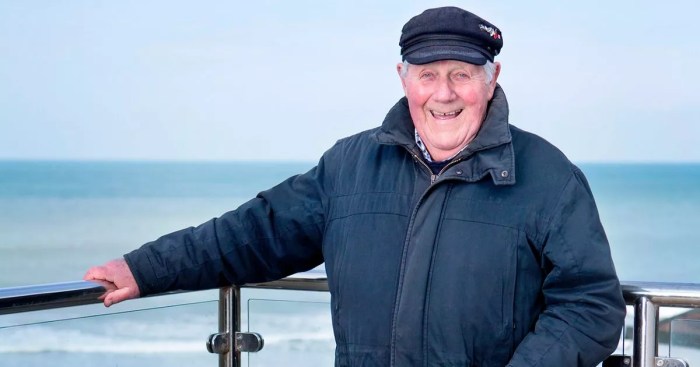
Becoming an RNLI volunteer is a profound commitment, demanding significant training and resilience. Yet, the rewards are immeasurable: the satisfaction of saving lives, the camaraderie of a dedicated team, and the profound impact on coastal communities. This overview has highlighted the essential aspects of this vital role, from the initial training to the ongoing support provided. The RNLI’s dedication to its volunteers, and their dedication to saving lives, is a testament to the power of human compassion and selfless service.