Stucco Over Wood Siding A Practical Guide
Stucco over wood siding presents a unique challenge and opportunity in home renovation. This approach combines the classic charm of wood with the durable, weather-resistant qualities of stucco. However, success hinges on careful planning and execution, requiring a deep understanding of moisture management and substrate preparation. This guide explores the suitability, installation process, potential problems, and cost considerations of this popular exterior cladding method.
We’ll delve into the specifics of preparing your wood siding, selecting the right materials, and applying the stucco correctly to ensure a long-lasting, aesthetically pleasing result. From choosing appropriate wood types and moisture barriers to understanding local building codes, we’ll cover everything you need to know to tackle this project confidently.
Suitability of Stucco Over Wood Siding
Source: amipdx.com
Applying stucco directly over wood siding is a complex undertaking, and its suitability depends heavily on several factors. While it can create a visually appealing and durable exterior, it’s crucial to understand the potential drawbacks and ensure proper preparation to avoid costly problems down the line. This section will delve into the key considerations for determining if stucco over wood siding is the right choice for your project.
Climate’s Influence on Stucco Over Wood Siding
The climate significantly impacts the long-term success of stucco over wood siding. In humid or wet climates, the risk of moisture damage to the underlying wood is substantially increased. Proper vapor barriers and drainage systems are essential to mitigate this risk. Conversely, in arid climates, the stucco itself might be more susceptible to cracking due to temperature fluctuations and the lack of moisture. Careful consideration of the specific climatic conditions is vital during the planning phase, including the average rainfall, humidity levels, and temperature extremes. For example, coastal regions with high humidity and frequent rainfall require a more robust moisture barrier system compared to a dry, desert climate.
Long-Term Effects of Moisture on Wood Under Stucco
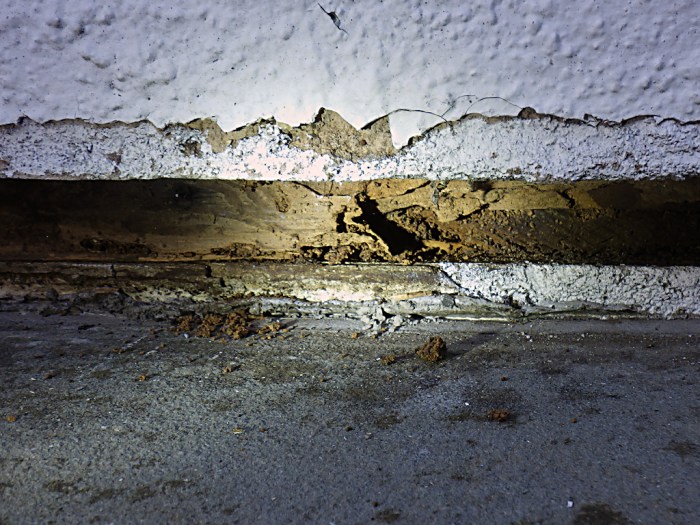
Moisture trapped beneath stucco can lead to a range of severe problems. The wood siding can swell, rot, and become a breeding ground for mold and mildew. This can compromise the structural integrity of the wall, leading to costly repairs or even complete replacement. The trapped moisture can also weaken the bond between the stucco and the siding, causing cracking and delamination of the stucco finish. Proper ventilation and drainage are critical to prevent this. For instance, the failure to install weep holes can lead to the build-up of moisture behind the stucco, eventually causing significant damage to the wood siding.
Lifespan Comparison: Wood Siding with and without Stucco
The lifespan of wood siding is considerably affected by the application of stucco. Without stucco, the lifespan of wood siding, depending on the wood type and maintenance, typically ranges from 15 to 30 years. However, with stucco, assuming proper installation and maintenance, the overall lifespan of the exterior wall system can extend to 50 years or more. The stucco acts as a protective layer, shielding the wood from the elements and prolonging its life. But, this is only true if moisture issues are adequately addressed; otherwise, the stucco can shorten the life of the wood siding.
Suitable Wood Siding Types for Stucco Applications
Choosing the right type of wood siding is crucial for successful stucco application. Some wood types are naturally more resistant to moisture and decay, making them better candidates. Below is a table summarizing the suitability of various wood types:
| Wood Type | Moisture Resistance | Durability | Suitability for Stucco |
|---|---|---|---|
| Cedar | High | High | Excellent |
| Redwood | High | High | Excellent |
| Cypress | High | High | Good |
| Pressure-Treated Pine | Moderate | Moderate | Fair (requires careful moisture management) |
| Fir | Low | Moderate | Poor (not recommended) |
Preparation and Installation Process: Stucco Over Wood Siding

Source: remodelingcosts.org
Applying stucco over wood siding requires careful preparation to ensure a long-lasting and aesthetically pleasing result. This process involves several crucial steps, from thoroughly cleaning and repairing the existing siding to the final application of the stucco itself. Proper preparation significantly impacts the adhesion and longevity of the stucco.
Wood Siding Surface Preparation
Preparing the wood siding is the foundation for a successful stucco application. This involves a thorough cleaning to remove any loose paint, dirt, mildew, or other debris that could interfere with adhesion. Any damaged or rotten wood must be repaired or replaced. This might involve patching holes with wood filler, replacing damaged boards, or addressing any significant structural issues. A properly prepared surface provides a strong and even base for the stucco. After repairs, lightly sand the entire surface to ensure a smooth finish. Prime the repaired areas with a high-quality wood primer to enhance adhesion and prevent moisture issues. For surfaces with significant weathering or mildew, consider using a specialized wood cleaner and mildewcide before proceeding with repairs and priming.
Moisture Barrier Selection and Installation
A suitable moisture barrier is essential to prevent water damage to the wood siding and the stucco itself. Several options exist, each with its advantages and disadvantages. Building paper, such as felt paper, provides a basic layer of protection. However, for more robust protection, consider using polyethylene plastic sheeting or a more specialized moisture-resistant barrier designed for stucco applications. These barriers are typically installed horizontally, overlapping each other by several inches, and secured with staples or nails. All seams should be sealed with appropriate tape to prevent water penetration. The chosen barrier should be durable enough to withstand the installation process and provide long-term protection against moisture.
Wire Mesh Installation, Stucco over wood siding
Wire mesh, typically galvanized or fiberglass, is applied over the moisture barrier to provide additional strength and crack resistance to the stucco. The mesh is usually secured using galvanized staples or nails. Overlapping the edges of the mesh by several inches is crucial for a continuous layer. It’s important to ensure the mesh is taut and flat against the surface to prevent any bumps or irregularities from showing through the stucco. The mesh acts as reinforcement, preventing cracking and ensuring the stucco adheres properly. For corners and other complex areas, consider using specialized corner beads to further reinforce the stucco and provide a clean, finished look.
Stucco Application Process
Applying the stucco involves three main coats: the base coat, the brown coat, and the finish coat. Each coat serves a specific purpose and contributes to the overall strength, durability, and aesthetic appeal of the finished product.
- Base Coat: This initial coat is a scratch coat, providing a strong bonding layer between the mesh and the subsequent coats. It is typically a thicker application, creating a textured surface for the brown coat to adhere to. This ensures good adhesion and provides a robust foundation.
- Brown Coat: Applied over the base coat, the brown coat is a thicker layer that forms the bulk of the stucco. It is usually allowed to cure for a specific period before the finish coat is applied. This coat provides the structural integrity of the stucco system. It is crucial to ensure proper curing time to prevent cracking.
- Finish Coat: The finish coat is the final layer, providing the desired texture and aesthetic appeal. Various techniques and tools can be used to achieve different textures, such as a smooth finish, a textured finish, or a specific pattern. This coat is thinner than the previous two and requires careful application to achieve a uniform and even surface.
Potential Problems and Solutions
Source: avalonhomeinspections.net
Applying stucco over wood siding can be a successful way to update a home’s exterior, but it’s crucial to understand the potential challenges and how to mitigate them. Ignoring these issues can lead to costly repairs down the line. This section will Artikel common problems, their causes, and effective prevention and solution strategies.
Cracking Prevention in Stucco Over Wood Siding
Cracking is a frequent problem with stucco, especially when applied over a less stable substrate like wood siding. Movement in the wood, due to temperature and humidity changes, can transfer stress to the stucco, causing it to crack. Proper preparation is key to preventing this. This involves ensuring the wood siding is sound, securely fastened, and treated to prevent moisture absorption. Furthermore, the use of expansion joints is critical. These joints, typically made of flexible material, are incorporated into the stucco application to allow for movement without cracking the stucco. These joints should be strategically placed to accommodate the expected movement of the wood siding. For example, expansion joints should be placed around windows and doors, at corners, and intervals depending on the size of the wall. Failure to incorporate these joints almost guarantees cracking.
Addressing Moisture Issues and Preventing Water Damage
Water damage is a major concern when applying stucco over wood siding. Wood is susceptible to rot and decay if moisture is allowed to penetrate. Proper waterproofing is essential. This begins with ensuring the wood siding is dry and free of any rot or damage before applying the stucco. A water-resistant barrier, such as a waterproof membrane, should be installed between the wood siding and the stucco to prevent moisture penetration. Proper flashing around windows and doors is also crucial to divert water away from these vulnerable areas. Finally, ensuring proper drainage away from the foundation prevents water from accumulating against the stucco and seeping in. Neglecting these steps can lead to mold growth, structural damage, and the eventual failure of the stucco.
Common Problems and Their Remedies
Understanding the causes and solutions to common problems is vital for a successful stucco application. The following table summarizes these issues:
| Problem | Cause | Prevention | Solution |
|---|---|---|---|
| Cracking | Movement in wood siding, inadequate substrate preparation, lack of expansion joints | Proper substrate preparation, use of expansion joints, application of flexible stucco | Repair cracks with compatible patching material, and consider re-stuccoing severely cracked areas. |
| Water Damage | Lack of waterproofing, poor drainage, damaged wood siding | Waterproof membrane, proper flashing, adequate drainage | Repair damaged areas, address drainage issues, and consider removing and replacing affected sections of stucco. |
| Mold Growth | Moisture penetration, poor ventilation | Proper waterproofing, and ventilation behind stucco (if possible) | Remove mold, address moisture issues, and consider applying a mold-resistant sealant. |
| Stucco Delamination | Poor adhesion, insufficient curing time, improper mixing | Proper surface preparation, use of bonding agents, proper mixing and application techniques | Remove delaminated sections, repair substrate, and reapply stucco. |
Building Codes and Regulations
Source: thestuccoguy.com
Applying stucco over wood siding isn’t just about aesthetics; it’s a significant construction project with implications for structural integrity, safety, and longevity. Therefore, understanding and adhering to local building codes and regulations is crucial to avoid costly mistakes and potential legal issues. These codes vary significantly by location, so checking with your local authority is paramount.
Local building codes dictate the minimum acceptable standards for construction within a specific jurisdiction. For stucco over wood siding, these codes frequently address critical aspects like moisture management, thermal performance, and fire resistance. Failure to comply can result in project delays, permit denials, and even legal repercussions. Understanding these regulations is key to a successful and safe project.
Moisture Barriers
Proper moisture control is paramount when applying stucco over wood siding. Wood is susceptible to rot and decay if exposed to excessive moisture. Building codes often mandate the use of specific types of moisture barriers, such as polyethylene sheeting or vapor-permeable membranes, to prevent water intrusion. These barriers are installed between the wood siding and the stucco, creating a protective layer. The code might specify the minimum overlap of these membranes, the type of sealant required at seams, and the overall system’s water resistance rating. For example, the International Building Code (IBC) might require a minimum Class I water-resistive barrier. This means the barrier must be capable of withstanding a specific amount of water penetration under controlled testing conditions.
Insulation Requirements
Many building codes address the need for adequate insulation in exterior wall assemblies, especially in areas with extreme climates. Stucco over wood siding projects might require the installation of additional insulation to meet energy efficiency standards. This insulation could be foam board insulation placed between the wood siding and the stucco, or it could be added within the wall cavity. Codes typically specify the minimum R-value (a measure of thermal resistance) required for the insulation, depending on the climate zone. For instance, a colder climate zone might require a higher R-value than a milder climate zone. Failure to meet these requirements could lead to higher energy bills and potential structural problems.
Fire Safety Regulations
Fire safety is a critical concern in any construction project. Building codes often address the flammability of exterior wall systems. Stucco itself is generally considered fire-resistant, but the underlying wood siding presents a potential fire hazard. Codes may mandate the use of fire-retardant treatments on the wood siding or require specific fire-rated materials within the wall assembly to prevent fire spread. Examples include specific types of fire-resistant gypsum board or the use of fire-rated sheathing. This is especially important in areas with high fire risk, such as regions with dry climates and abundant vegetation.
Code Compliance Checklist for Stucco Over Wood Siding
Before starting your project, a thorough review of your local building codes is crucial. Use this checklist as a guide, but remember that your local codes will take precedence.
- Verify the allowable stucco thickness according to your local building code.
- Confirm the required type and installation method for the moisture barrier.
- Determine the minimum R-value for insulation required in your climate zone.
- Check for any requirements regarding fire-retardant treatments for wood siding.
- Review regulations concerning the use of fire-rated materials in the wall assembly.
- Ensure compliance with all requirements for flashing and water management around windows and doors.
- Confirm any specific requirements for fasteners and attachment methods.
- Obtain necessary permits before commencing any work.
Locating and Interpreting Building Codes
Finding and understanding your local building codes might seem daunting, but it’s a necessary step. The first step is usually contacting your local building department or planning office. They can provide you with the relevant codes, either in printed form or online access. Many jurisdictions have their building codes available on their websites. These codes are often organized by section, making it easier to find the specific requirements for exterior wall assemblies. If you’re unsure about interpreting the codes, consulting with a qualified architect or engineer is recommended. They can help you navigate the complex regulations and ensure your project meets all the necessary standards. Ignoring these codes could lead to significant problems down the line, including fines, project delays, and even structural issues.
Cost and Material Considerations
Source: bbbhomeremodeling.com
Redoing your home’s exterior is a significant investment, and understanding the costs involved in stuccoing over wood siding is crucial for budgeting and planning. This section breaks down the expenses, comparing stucco to other options and detailing the materials needed for a successful project.
The overall cost of stucco over wood siding is influenced by several factors, including the size of your house, the complexity of the project, labor costs in your region, and the type of stucco you choose. It’s generally more expensive than some other cladding options, but often offers superior durability and longevity, potentially offsetting the higher initial investment in the long run.
Stucco Cost Comparison with Other Cladding Options
Let’s compare the approximate cost per square foot of different exterior cladding options. These are rough estimates and can vary widely based on location and specific materials. Always get multiple quotes from reputable contractors for accurate pricing in your area.
| Cladding Type | Cost per Square Foot (USD) |
|---|---|
| Stucco | $8-$15 |
| Vinyl Siding | $4-$8 |
| Fiber Cement Siding | $10-$18 |
| Brick | $15-$30+ |
Types of Stucco and Associated Costs
The type of stucco you select significantly impacts the final cost. Different types offer varying levels of durability, aesthetic appeal, and maintenance requirements.
- Traditional/Cement Stucco: This is the most common and often the least expensive type, typically ranging from $8 to $12 per square foot installed. It’s durable and offers a classic look.
- Acrylic Stucco: More expensive than cement stucco, acrylic stucco typically costs between $10 and $15 per square foot installed. It’s easier to apply and offers better flexibility and water resistance.
- Synthetic Stucco: This type, often made from polymers, provides excellent durability and water resistance. Expect to pay between $12 and $18 per square foot installed, making it a premium option.
Material Requirements and Estimated Costs
A detailed materials list is crucial for accurate budgeting. Quantities will vary significantly depending on your home’s size and the complexity of the project. These are estimates for a 1500-square-foot home and should be adjusted accordingly.
- Stucco (assuming acrylic): 1500 sq ft x $10/sq ft = $15,000
- Lath (metal or wire): $1,500 – $2,000 (depending on material and coverage)
- Waterproofing membrane: $1,000 – $1,500 (depending on type and coverage)
- Flashing and sealant: $500 – $750
- Labor: $10,000 – $20,000 (highly variable based on location and contractor)
- Permits and inspections: $500 – $1,000
Sample Budget Breakdown for a Stucco Over Wood Siding Project (1500 sq ft home)
This is a sample budget and actual costs may vary. Always obtain multiple quotes from contractors to get accurate pricing for your specific project.
- Materials: $18,000 – $25,000
- Labor: $10,000 – $20,000
- Permits and Inspections: $500 – $1,000
- Contingency (10%): $1,800 – $2,500
- Total Estimated Cost: $30,300 – $48,500
Note: This budget is a rough estimate. The actual cost can fluctuate significantly based on various factors including location, labor costs, material choices, and project complexity. Always get multiple bids from qualified contractors before starting your project.
Visual Examples and Design Considerations
Source: wsimg.com
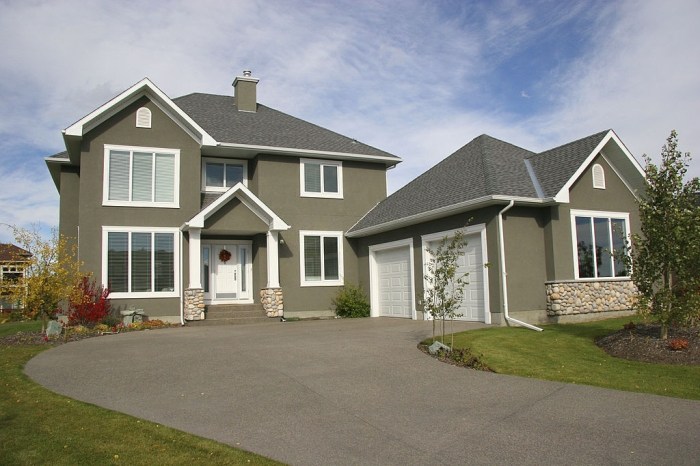
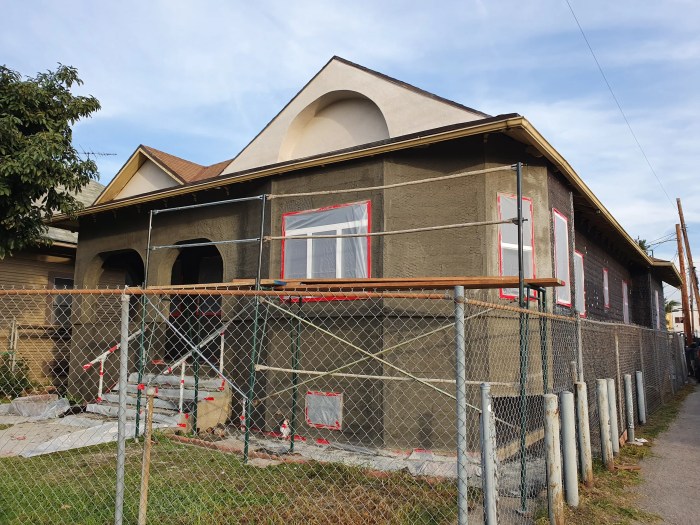
Stucco over wood siding offers a surprisingly versatile aesthetic, capable of enhancing a wide range of architectural styles. The interplay of textures and colors creates a unique visual impact, transforming the overall look and feel of a home. Careful consideration of these elements is crucial for achieving a harmonious and visually appealing result.
The aesthetic effects of stucco over wood siding depend heavily on the house style, color palette, and texture choices. For instance, a rustic farmhouse might benefit from a rough-textured stucco in a warm, earthy tone, complementing the natural wood siding underneath. Conversely, a modern home might be better suited to a smooth, sleek stucco in a crisp, neutral color, creating a contemporary contrast against the wood.
Stucco Over Wood Siding on Different House Styles
The choice of stucco and wood siding combination significantly impacts the overall architectural style. A Craftsman-style home might use a medium-textured stucco in a warm brown or beige, complementing the exposed beams and natural wood elements. A more contemporary home could pair smooth, light gray stucco with dark stained wood siding for a striking contrast. For a traditional colonial, a smooth stucco in a classic white or cream color could create a timeless elegance, particularly when paired with white or light-colored wood siding. The key is to ensure the materials and colors work in harmony with the existing architectural details.
Color and Texture Influence on Overall Appearance
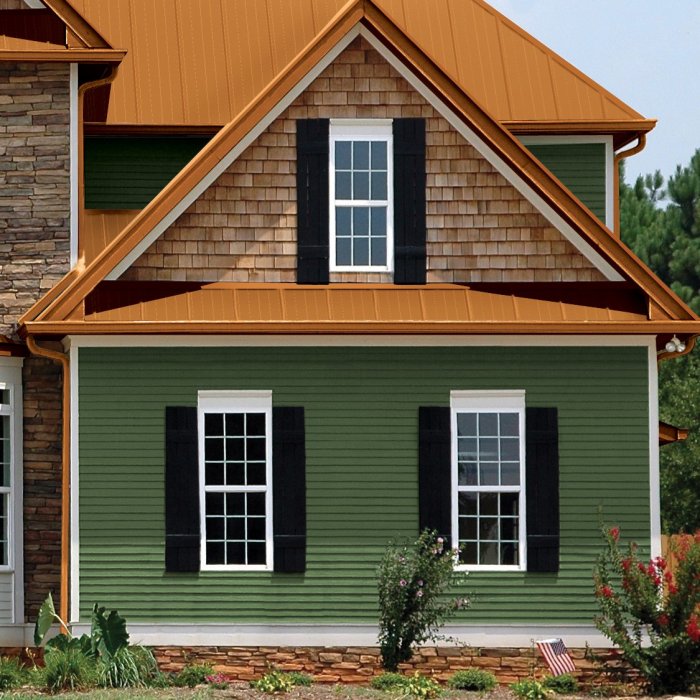
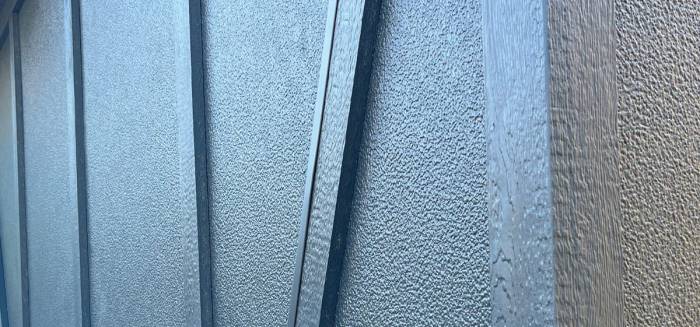
Color choices play a vital role in setting the mood and style of the home. Warm colors like browns, tans, and reds create a cozy and inviting atmosphere, while cool colors such as blues, grays, and greens offer a more modern and sophisticated feel. Texture also significantly impacts the visual appeal. A smooth stucco finish creates a clean, minimalist look, whereas a textured stucco provides a more rustic or traditional feel. The interplay between the stucco texture and the wood siding’s grain adds depth and visual interest. For example, a smooth stucco with rough-hewn wood siding creates a striking contrast that highlights both materials.
Detailed Description of a House with Stucco Over Wood Siding
Imagine a two-story colonial-style home with white, smooth stucco covering the main structure. The lower level features exposed, dark-stained cedar wood siding, creating a visual contrast and highlighting the foundation. The trim is painted a crisp white, matching the stucco, creating a clean, classic look. The windows are large and framed with white trim, allowing ample natural light to flood the interior. The roof is a dark gray asphalt shingle, complementing the dark wood siding. The overall effect is one of timeless elegance and understated sophistication.
Three Visual Scenarios of Stucco Over Wood Siding
- Scenario 1: Modern Farmhouse – Smooth, light gray stucco with a subtle texture paired with reclaimed wood siding in varying shades of gray and brown. The wood is left with a natural, slightly weathered appearance. Dark gray trim provides a sleek contrast.
- Scenario 2: Traditional Ranch – Medium-textured, warm beige stucco with a hint of brown applied over horizontal, stained redwood siding. The wood is a rich, reddish-brown tone, creating a rustic and inviting feel. White trim adds a touch of brightness and accentuates the architectural details.
- Scenario 3: Contemporary Minimalist – Smooth, white stucco contrasted with dark stained, vertical cedar siding. The clean lines of the stucco are highlighted by the dark wood, creating a modern and striking contrast. Black trim further enhances the minimalist aesthetic.
Concluding Remarks
Source: building-products.com
Ultimately, applying stucco over wood siding offers a compelling blend of aesthetics and durability, but only if done correctly. By carefully considering the factors discussed—from substrate preparation and moisture control to choosing the right stucco type and adhering to building codes—you can achieve a beautiful and long-lasting exterior finish. Remember, thorough planning and attention to detail are key to a successful outcome. Don’t hesitate to consult with professionals if you encounter any unforeseen challenges.